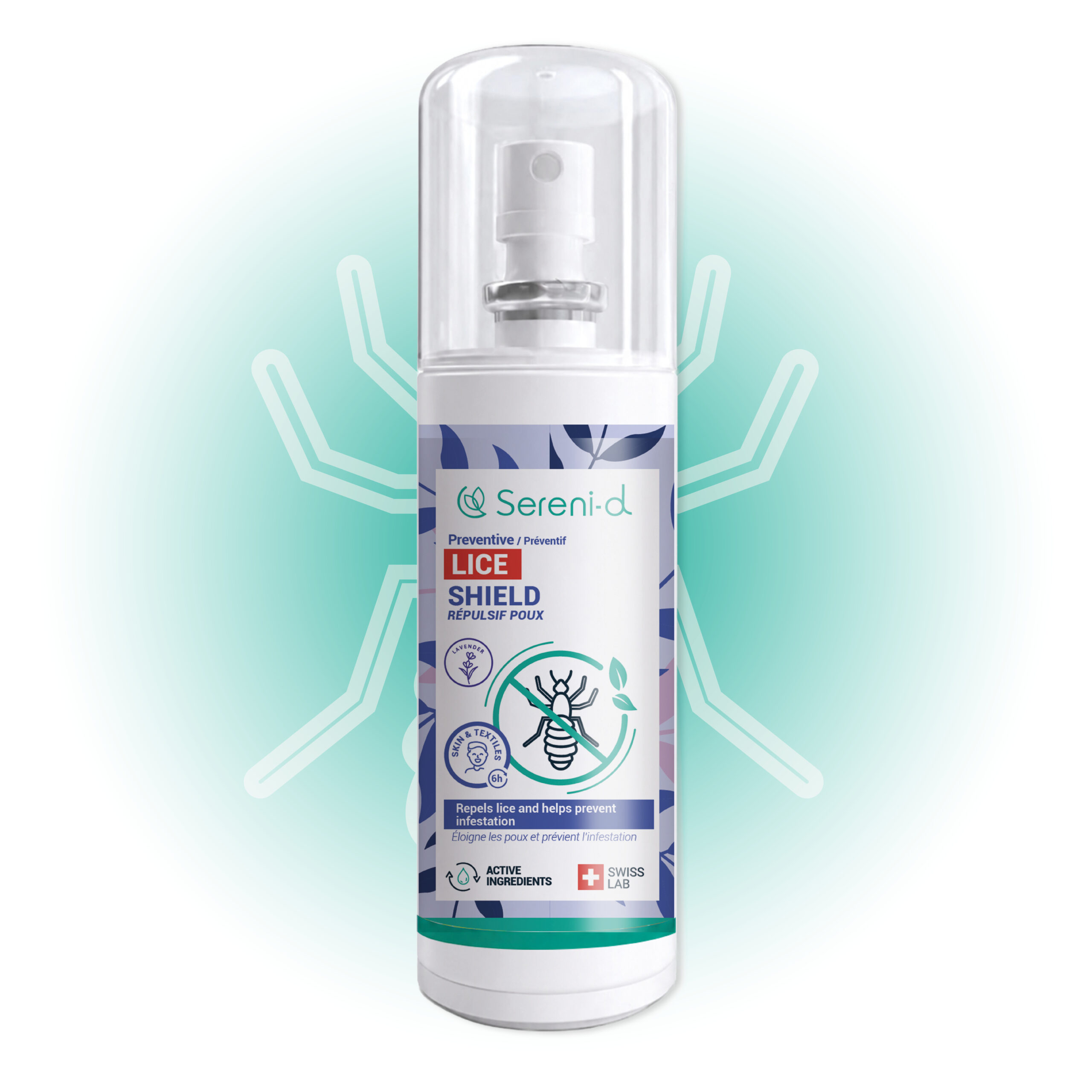
Itching, an irritated scalp, nits clinging to the hair… a head lice infestation is a real nuisance for both children and adults. According to the French National Health Insurance, 20% of school-age children are infested with head lice every year. Rest assured, there are now effective treatments available to get rid of them. Here is a step-by-step guide using natural and traditional methods.
Key information
➡️Head lice are parasitic insects that infest the scalp; they are common in children and are not linked to poor hygiene.
➡️Effective treatment for head lice always involves two stages: treatment followed by a repeat treatment 7–10 days later.
➡️A lice comb is essential for removing nits and preventing re-infestation.
➡️Lice spread quickly through direct contact, especially in group settings (schools, nurseries).
➡️Cleaning the environment (clothes, soft toys, brushes) is essential to prevent lice from returning.
How can you tell if you have a head lice infestation?
Itching of the scalp, also known as “pediculosis”, is the most tell-tale sign of an infestation with head lice or Pediculus humanus capitis. It is caused by the insect’s bites.
These irritations mainly appear:
- behind the ears
- at the nape of the neck
- at the hairline
On closer inspection, you may spot:
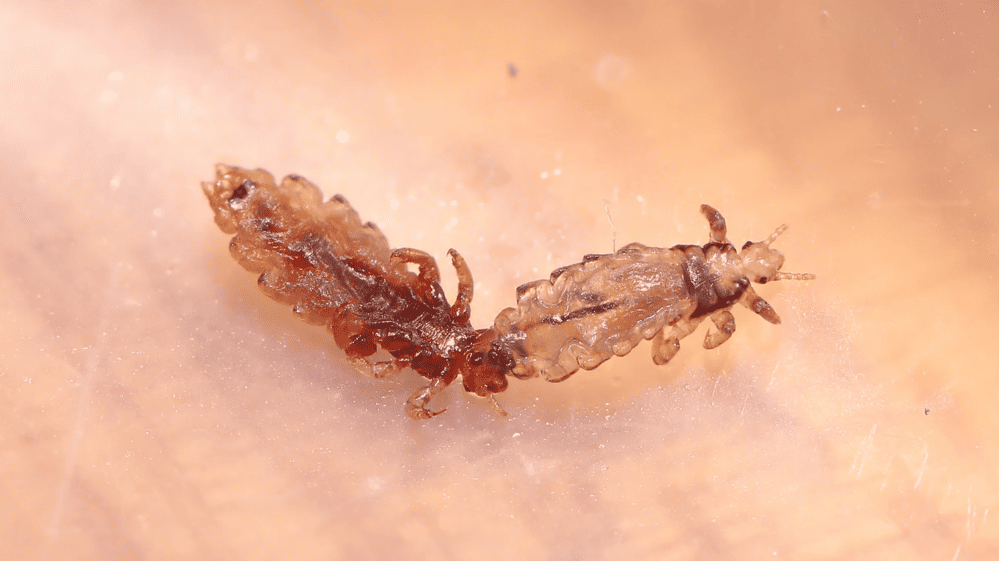
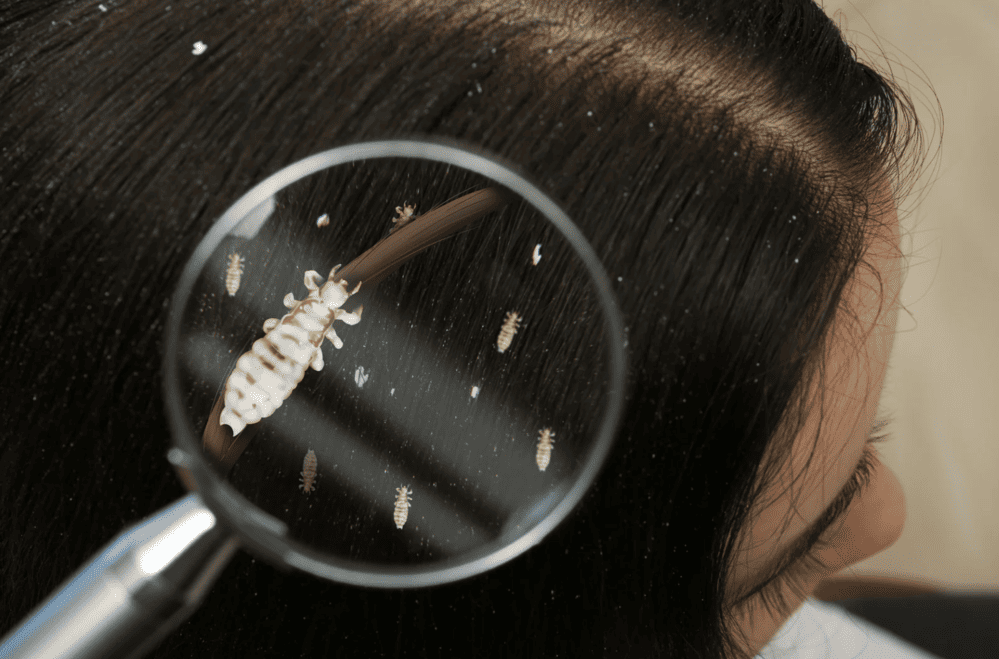
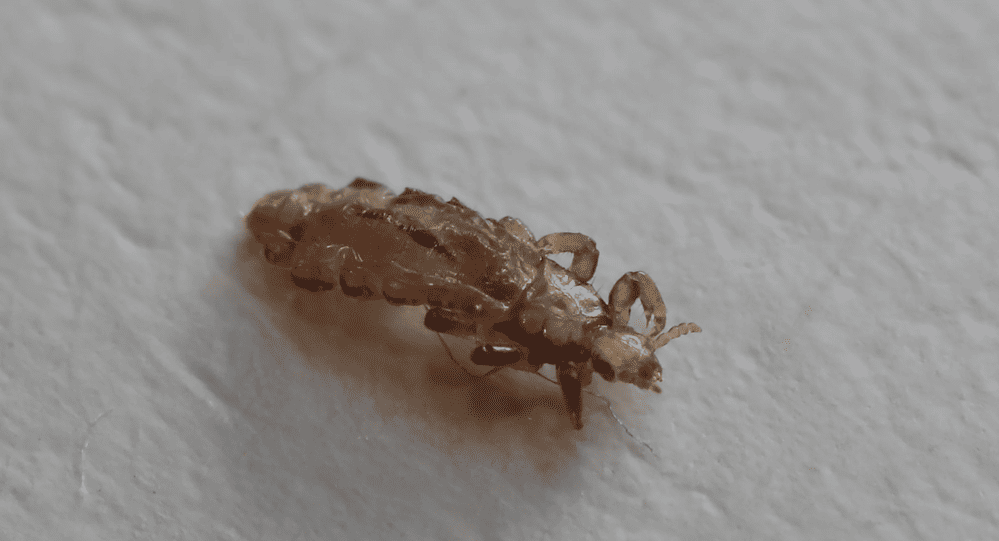
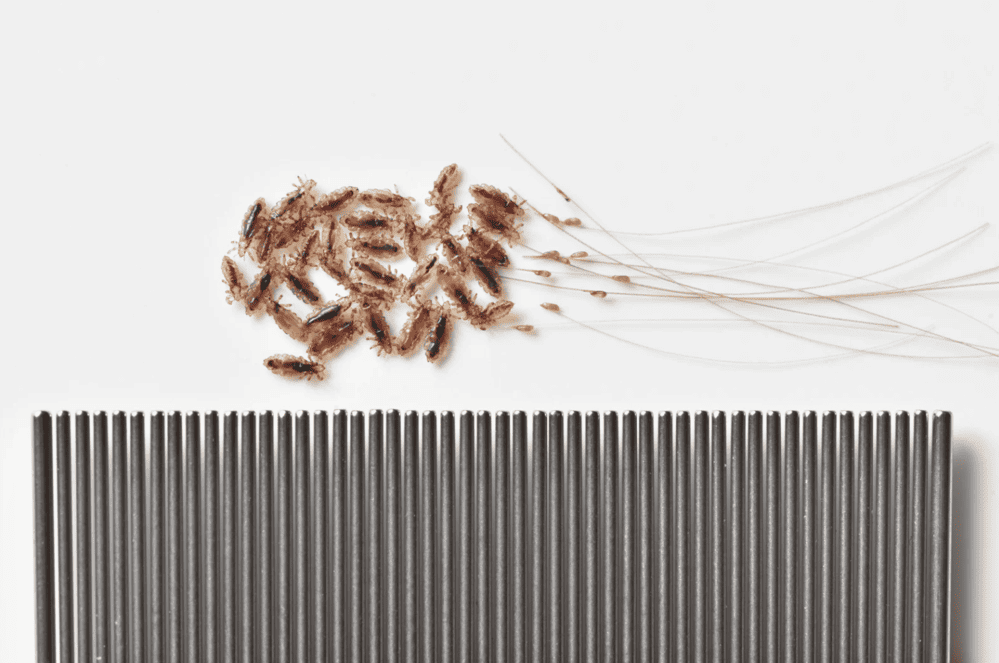
- live lice (small greyish insects that move quickly)
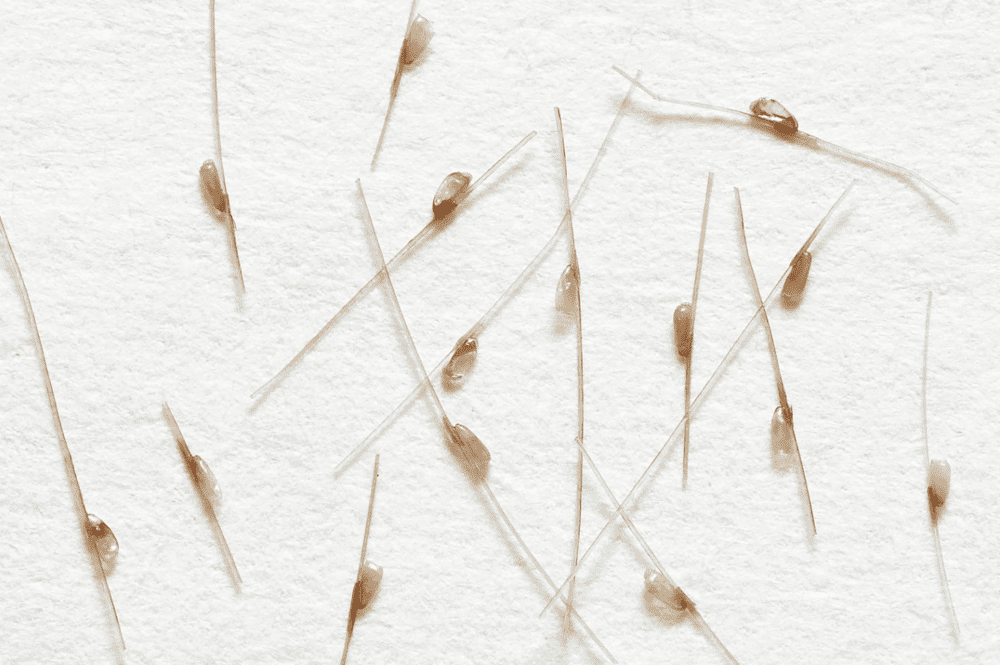
- nits (eggs) attached to the hair, often white or translucent
👉Unlike dandruff, nits are firmly attached to the hair and do not fall out easily. If you are unsure, use a lice comb on wet hair; this is the most reliable way to confirm the presence of lice.
👉See also: Head lice or nits: how can you tell the difference?
Le protocole complet pour supprimer les poux radicalement
Pour traiter les poux efficacement, il faut suivre un protocole précis qui agit à la fois sur les poux vivants et sur les lentes (œufs).
Step 1: Apply a lice treatment
Many products are available in pharmacies, including: These products work either through a chemical reaction or by suffocating the lice. They are often quick and effective, but some formulations can irritate sensitive scalps.
- anti-lice shampoo
- lotions or sprays
Proper application of the lice treatment is essential to prevent them from returning.
Here are the rules to follow:
- apply the product to dry or slightly damp hair, following the instructions
- cover the entire head of hair thoroughly, from root to tip
- strictly adhere to the recommended application time (often 10 to 30 minutes)
- rinse thoroughly after application
Please don’t hesitate to ask your pharmacist for advice on choosing a suitable treatment, particularly for a child.
Step 2: Use the lice comb
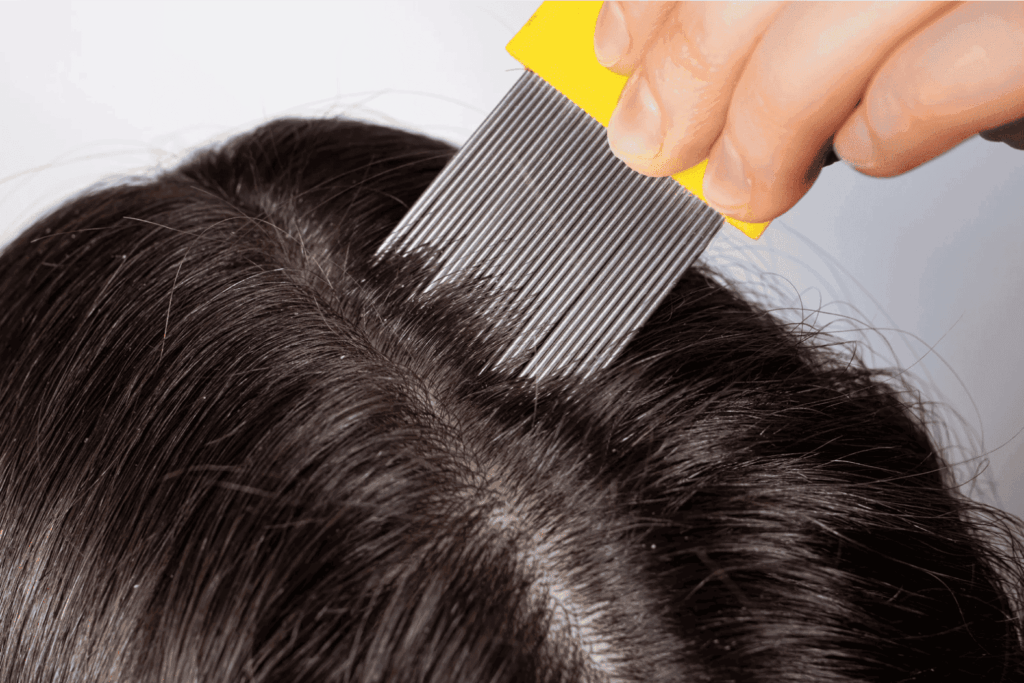
Please note that even with a good anti-lice product, some nits or lice may survive. The comb helps to remove them mechanically.
You can use it: Conditioner helps to immobilise the lice and detangle the hair, making combing much more effective.
- on wet hair
- with conditioner to make combing easier
- in a well-lit area
Here is the method to follow:
- Separate the hair into small sections
- Run the comb from the roots to the ends
- Wipe the comb after each pass (on a tissue or under water)
- Pay particular attention to sensitive areas: behind the ears, the nape of the neck, and the top of the head
Good to know: repeat the combing every day for several days to remove any new hatches.
Step 3: Repeat the treatment (days 7 to 10)
Even after an effective initial treatment, some nits (eggs) may survive. They usually hatch 7 to 10 days later, giving rise to new lice.
Without a second treatment, the infestation will return.
How to proceed?
- Repeat the exact same anti-lice treatment as on day 1
- Continue to use the anti-lice comb regularly
- Check the entire head of hair carefully
Step 4: Clean the environment
Although lice do not survive for long off the scalp, they can remain on certain objects for a few hours to a few days and cause a re-infestation.
Anything that comes into direct contact with the hair must be cleaned:
- pillowcases and bedding
- soft toys and cuddly toys
- scarves, hats and caps
- brushes and combs
- towels
- car seats or headrests
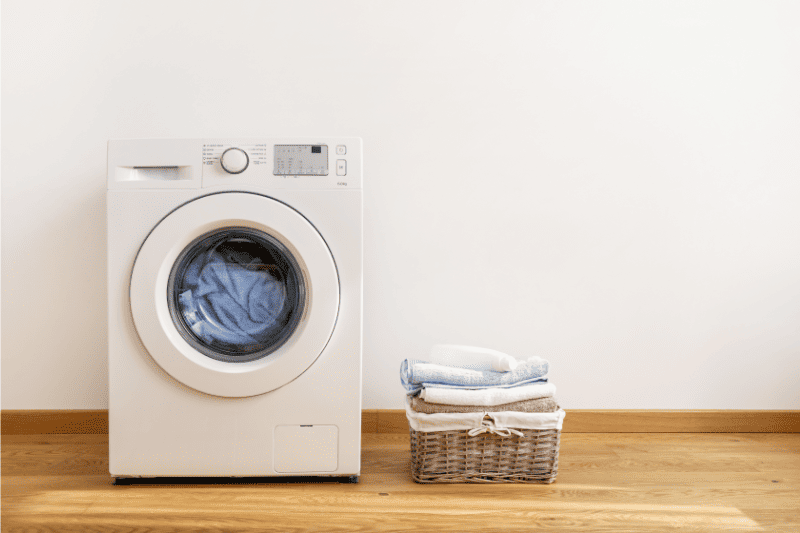
Textiles can be washed at 60°C. This temperature effectively kills lice and nits.
For items that cannot be washed
For items that cannot be put in the washing machine (delicate soft toys, accessories, helmets, etc.) place them in an airtight bag for at least 48 to 72 hours. Without access to the scalp, lice cannot survive.
Lice treatment schedule
| Day | Action to be taken |
| Day 1 | Application of the anti-lice treatment + combing |
| Day 2 to 6 | Daily lice comb |
| Day 7 | Second lice treatment + comb |
| Day 10 | Full check (inspection + combing) |
How long does it take to get rid of head lice?
On average, it takes 7 to 10 days to get rid of lice completely. This timeframe corresponds to the nits’ hatching cycle.
Although a lice treatment quickly eliminates adult lice, some nits may survive and hatch into new lice a few days later.
Good to know: the itching may sometimes continue for a few days after the lice have been removed, but this does not necessarily mean there is a new infestation.
Natural remedies for head lice
There are many “old wives’ tales” circulating about treating head lice, but are they really effective?
In reality, some remedies can help, but none of them can replace a full course of anti-lice treatment and a fine-toothed comb.
Mayonnaise
The idea is to smother the lice using the oily texture of the mayonnaise.
- Apply to dry hair
- Leave on for a long time (several hours)
- Rinse out afterwards
This method can slow down the lice, but it does not remove the nits. It is not an adequate treatment on its own.
Coconut oil
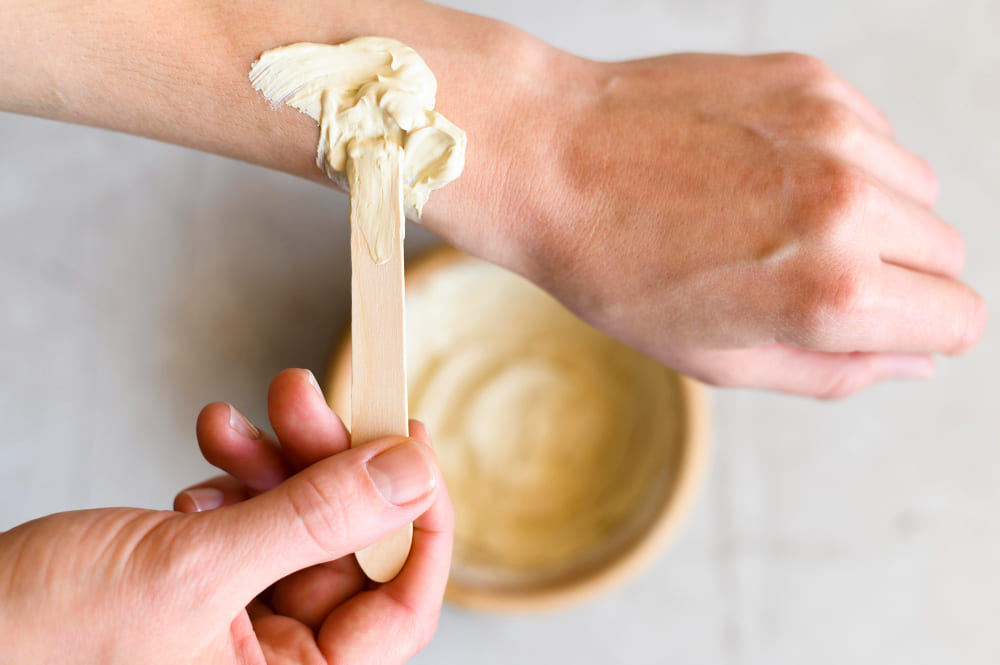
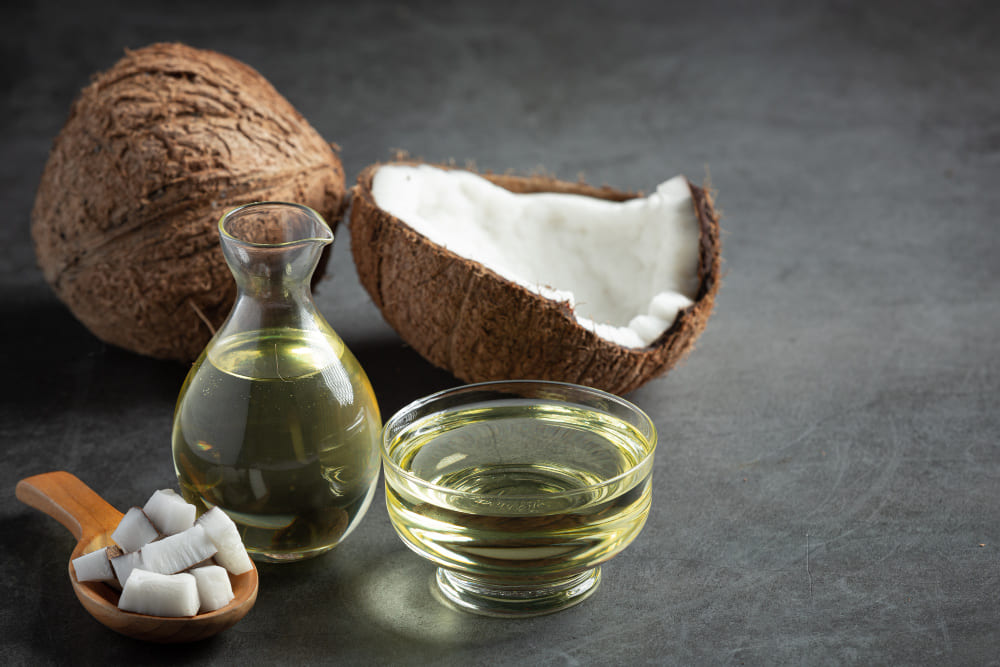
Coconut oil is often cited as a natural remedy. It forms an oily film that suffocates the lice and also makes it easier to comb through the hair.
It can help immobilise the lice, but does not always kill the nits.
White vinegar
White vinegar is mainly used to loosen nits from the hair and make them easier to remove with a comb. Vinegar does not kill lice. It is only effective when used in conjunction with combing.
Essential oils
Thanks to their repellent properties, essential oils (such as lavender and tea tree oil) are often used to combat pests such as bed bugs, for example.
However, this is not a reliable solution for eliminating a bed bug infestation.
Getting rid of head lice in one day: myth or reality?
It’s a myth. Even effective anti-lice treatments mainly target adult lice.
The problem lies with the nits (eggs):
- they are very resilient
- they remain attached to the hair
- they hatch several days later
Even if you eliminate all visible lice in 1 day, new lice may appear a few days later.
Common mistakes
- Only carrying out a single treatment
- Neglecting to use a lice comb
- Using only natural remedies
- Applying the product incorrectly
- Not leaving the product on for the recommended time
- Treating only the person with the infestation
- Forgetting to treat the environment
- Thinking that lice will disappear on their own
Prevention: avoiding a new infestation
Prevention relies on simple but regular measures, especially for children.
A few habits can significantly reduce the risk:
- check hair regularly, especially during outbreaks
- tie up long hair (braids, ponytails)
- avoid sharing personal items: hats, brushes, hair ties, scarves
You should also take care of the whole family. Keep an eye on all your loved ones and wash pillowcases, sheets and towels regularly.
Don’t forget to let the school and the other parents know as soon as possible!
Myths and misconceptions about head lice
Here is a table to help you sort out fact from fiction:
| Common misconception | True or False? | Explanation |
| Head lice are linked to poor hygiene | ❌ False | Lice actually prefer clean hair. They aren’t linked to cleanliness, but to close contact between people. |
| Do lice jump or fly? | ❌ False | Lice do not jump or fly. They move by crawling from hair to hair when there is close contact. |
| Lice go away on their own | ❌ False | Without treatment, lice will continue to reproduce. The infestation can last for a long time. |
| Head lice spread quickly | ✅ True | The virus spreads quickly, especially among children in group settings (schools, nurseries). |
| A lice comb is essential | ✅ True | No lice treatment is effective without the regular use of a nit comb. |
FAQ
How long does a lice treatment take?
How can you get rid of head lice in a day?
Should the whole family be treated?
Can lice survive outside the hair?
Do you need to disinfect the whole house?
wash any fabrics that come into contact with the head (pillowcases, hats, towels)
clean brushes and combs
Is there a time of year when the risk is higher?
– at the start of the school year
– during periods spent in communal settings
Do lice stay on pillows?
Which ingredient kills lice?