



Itchy bites, disturbed sleep, disease transmission – mosquitoes make everyday life a real nuisance. Unfortunately, the invasion of the tiger mosquito in France is only making matters worse. So, can we get rid of them? Here are the most effective ways to combat these insects.
Natural ways to get rid of mosquitoes
Before resorting to insecticides, there are several simple and natural ways to keep mosquitoes at bay.
Before resorting to insecticides, there are several simple and natural ways to keep mosquitoes at bay.
Mosquito-repelling plants
Certain types of plants give off scents that mosquitoes find unpleasant. Feel free to place them on your balcony, terrace or near windows.
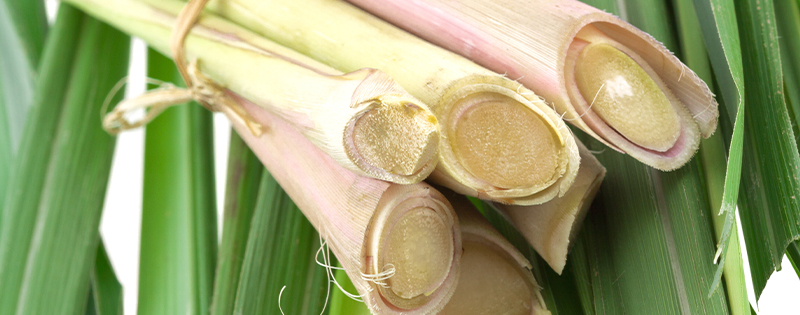
Lemongrass
Lemongrass is one of the best-known plants for repelling mosquitoes. Its lemony scent acts as a natural repellent. It is also found in many products such as candles and mosquito repellent sprays.
Lemongrass geranium
Lemongrass geranium, or Pelargonium citronellum, is an ornamental plant often used on patios and balconies. Its scent, which is similar to lemongrass, helps to keep mosquitoes at bay.


Lavender
This aromatic plant gives off a scent that is pleasant to humans but unpleasant to mosquitoes. Do make the most of it!
Mint
Mint also has a strong scent that can help keep mosquitoes away from certain areas of the garden or patio.
Good to know: using these mosquito-repelling plants on their own is not enough. They need to be combined with other solutions.

Essential oils that repel mosquitoes
The strong scent of essential oils acts as a repellent and keeps mosquitoes at bay.
Here are the most commonly used ones against these insects.
| Essential oil | Mosquito-repellent properties |
| Lemongrass | Lemongrass essential oil has a lemony scent that acts as a natural repellent. |
| True lavender | True lavender essential oil can help keep mosquitoes at bay whilst leaving a pleasant scent in the home. |
| Lemon eucalyptus | Widely used in insect repellent sprays, lemon eucalyptus essential oil is considered one of the most effective at keeping mosquitoes at bay. |
| Rose geranium | The essential oil derived from mosquito-repellent geranium also has some interesting repellent properties. |

How can essential oils be used to repel mosquitoes?
You can use essential oils in various ways:
- in a mosquito repellent diffuser inside your home,
- diluted in water to make a repellent spray,
- applied to a carrier (fabric, pebble, cotton wool) placed near windows or on the patio.
⚠️ Warning: essential oils must always be used with caution. Some are not recommended for young children, pregnant women or pets. They must never be applied undiluted to the skin.
See also: Whichs huiles essentielles contre les punaises de lit ?
Bats versus mosquitoes
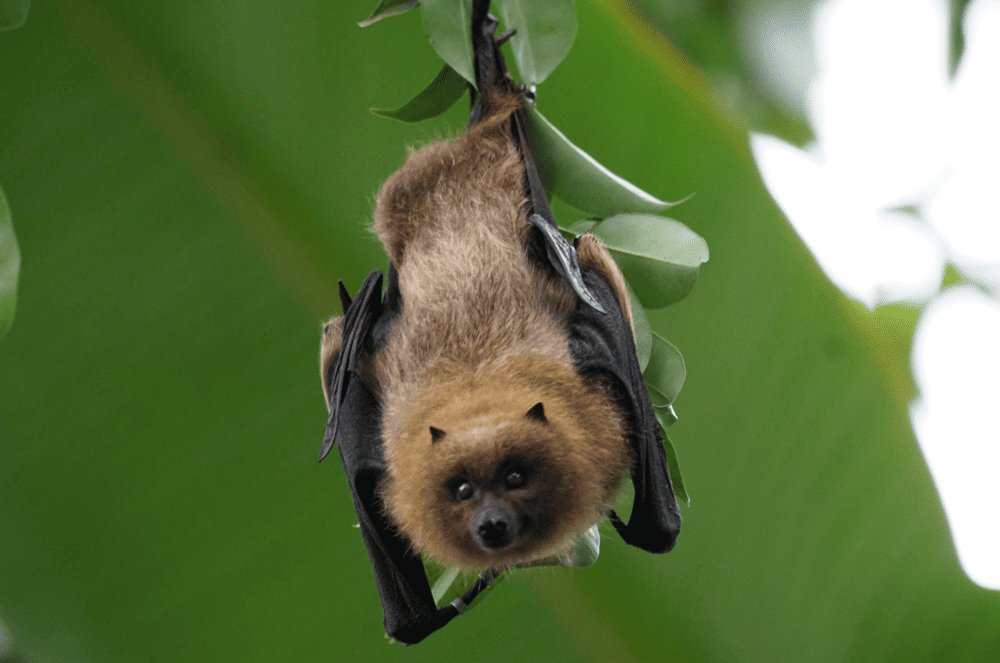
A bat can eat up to 3,000 mosquitoes a night. They are therefore valuable allies in controlling the mosquito population. However, contrary to popular belief, mosquitoes are not their main source of food. They often prefer larger, more nutritious insects.
To attract bats to your garden or around your home, install bat boxes on a wall or in a tree, in a quiet spot sheltered from the wind.
Good to know: some local councils provide bird boxes. Feel free to contact yours.
Mosquito traps
Unlike repellents, which keep insects away, mosquito traps are designed to attract, capture and kill them. Here are the different types available.
CO₂ traps
Some traps mimic human breathing by releasing carbon dioxide (CO₂). As we saw earlier, this is one of the main factors that attract mosquitoes.
The way it works is simple:
- the trap releases CO₂ to attract mosquitoes,
- the insects approach, thinking they have found a host,
- and a suction system captures them.
This type of trap is often used in gardens or areas with severe infestations. It is effective at reducing the mosquito population over a fairly large area.
Light traps
Some devices attract insects using UV light.
Once attracted, the mosquitoes are:
- sucked into a compartment,
- or killed by electrocution on an electric grid.
⚠️ Warning: these traps attract many flying insects and do not target mosquitoes exclusively.
Stagnant water traps (egg-laying traps)
Another method involves using a trap that attracts female mosquitoes when they are ready to lay eggs. The device contains water and sometimes a specific attractant.
Mosquitoes lay their eggs in it, but the larvae cannot develop or escape from the trap. This type of trap directly targets the reproduction of these insects.
Homemade traps
There are also simple traps that you can make yourself.
For example:
- a cut-off bottle containing a mixture of water, sugar and yeast,
- a dark container with a little stagnant water covered with cling film to prevent the insects from escaping.
These solutions can catch a few mosquitoes, but their effectiveness is limited when the infestation is severe.
Effective traps for tiger mosquitoes
There are traps specifically designed for tiger mosquitoes. These devices differ from conventional traps as they target the specific behaviour of the tiger mosquito (Aedes albopictus), which bites mainly during the day and lays its eggs in small areas of stagnant water.
The best known are egg-laying traps, also known as ovitraps. The principle is simple: they mimic an ideal place to lay eggs. The trap contains a small amount of water and a dark surface that attracts female mosquitoes. Tiger mosquitoes come to lay their eggs there. The adults or larvae are then trapped and cannot develop.
Mosquito control accessories
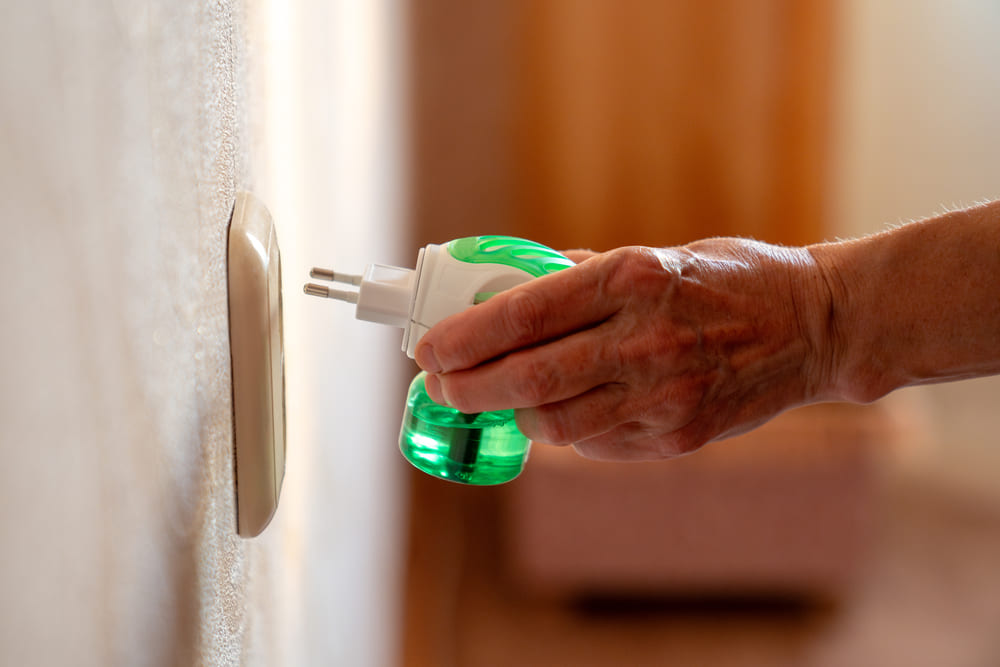
The mosquito repellent plug
It’s often an essential accessory for our summer nights. The mosquito repellent plug, also known as a diffuser, plugs directly into a power socket and releases a repellent or insecticide into the air. The aim: to sleep soundly!
There are several types available:
- models with impregnated pads, which need to be replaced regularly,
- liquid diffusers, which can last for several weeks,
- some devices combined with a fan or a gradual release mechanism.
The advantage of this solution is that it works continuously for several hours and can help reduce mosquito bites during the night.
⚠️ Please note: these products must be used with care. Remember to air the room regularly and avoid prolonged use in the baby’s bedroom.
The mosquito repellent bracelet
The mosquito repellent bracelet is often used outdoors (hiking, camping, gardening). It is worn on the wrist or ankle and releases a scent designed to repel mosquitoes.
Most mosquito repellent bracelets work by using repellent substances impregnated into the bracelet, often based on essential oils such as citronella, lavender or geraniol. The aim is to mask the human body’s scent so that mosquitoes can no longer detect their target.
However, their effectiveness remains very limited. Several tests and studies show that these bracelets only protect the area very close to the bracelet, and sometimes for just a few hours.

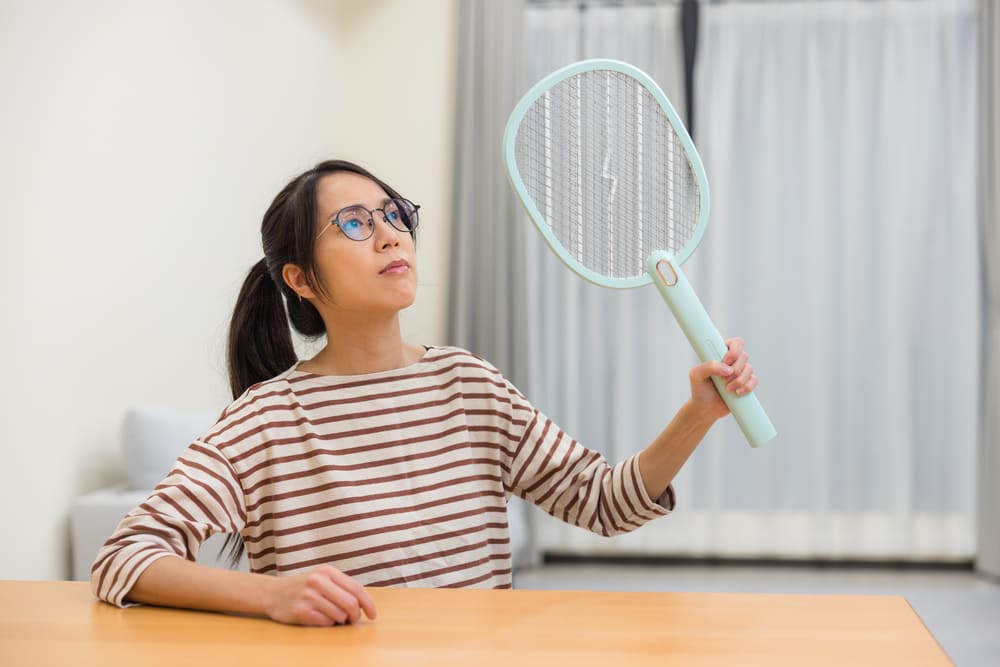
The mosquito swatter
The “mosquito swatter” is often used to kill mosquitoes at home. It looks like a miniature tennis racket fitted with an electric grid. When the insect comes into contact with the grid, it is immediately electrocuted.
It is handy, for example, for hunting down mosquitoes in your bedroom before going to sleep. The advantage is that it does not release any chemicals and can therefore be used indoors without any problems.
Mosquito-repelling lamps and floor lamps
These devices work by emitting UV light that attracts insects. Once they are close by, the mosquitoes are either:
- electrocuted by an electric grid,
- sucked into a compartment,
- or trapped in a reservoir.
These devices can be useful for reducing the number of insects around an outdoor area, particularly on summer evenings.
However, there are two issues with these lamps:
- they aren’t very effective. Mosquitoes aren’t particularly attracted to light. They mainly locate their victims through carbon dioxide, body heat and skin odours.
- you also catch other insects
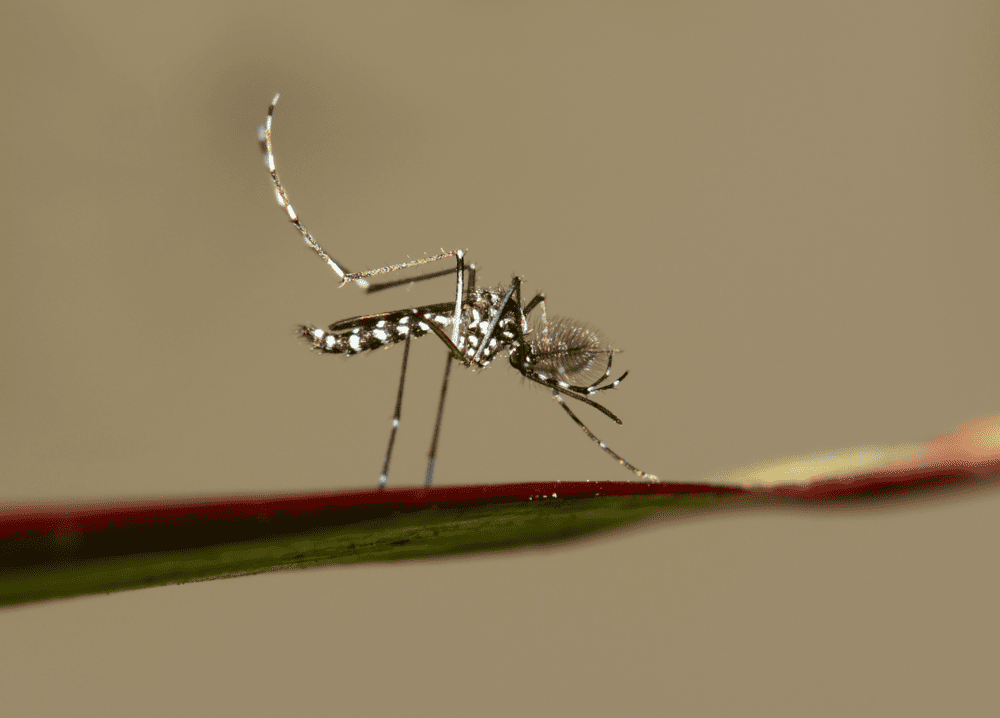
How can you get rid of mosquitoes at night?
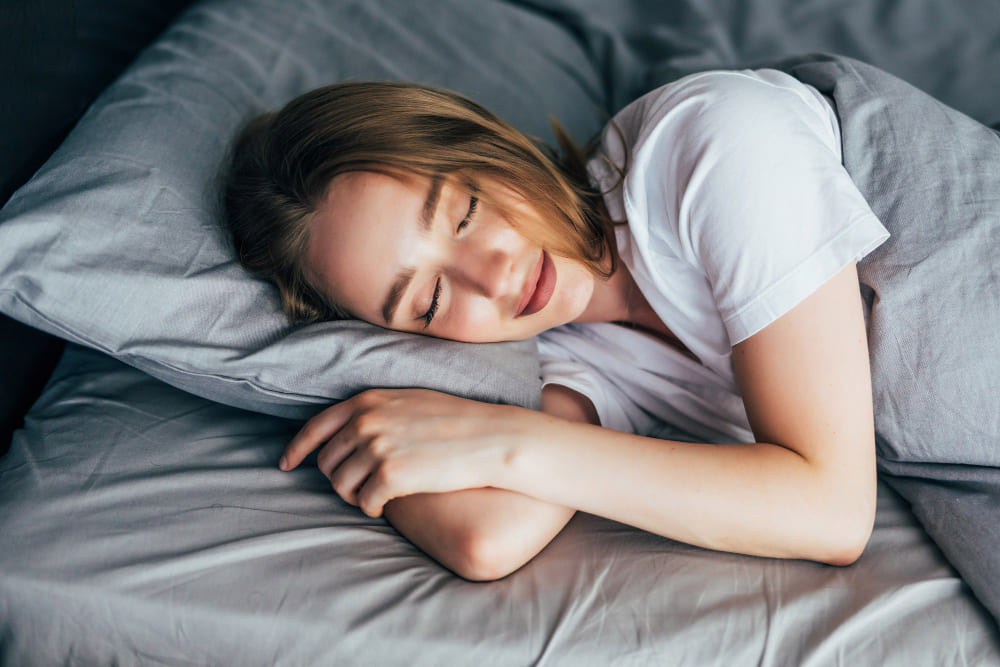
Mosquitoes are particularly active in the evening and at night. They are attracted by body heat and the carbon dioxide we exhale whilst sleeping. The result: repeated mosquito bites that can disrupt your sleep.
Here are the most effective ways to keep mosquitoes at bay at night.
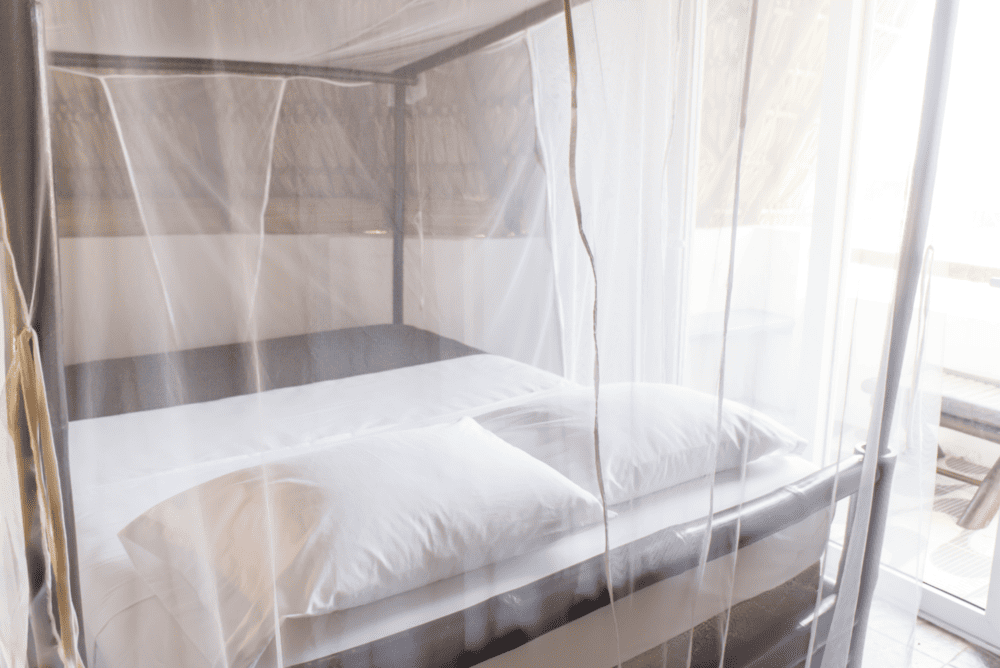
Fitting a mosquito net
A mosquito net remains one of the most effective ways to sleep without being bothered by mosquitoes. It physically prevents insects from reaching your skin.
You can fit:
- a mosquito net on the windows
- a mosquito net around the bed
Using a mosquito repellent diffuser
A mosquito plug-in or mosquito repellent diffuser keeps mosquitoes at bay for several hours.
A few tips:
- plug in the diffuser 30 minutes before going to bed,
- air the room before and after use.

Avoiding attracting mosquitoes at night
Here are a few simple steps to keep mosquitoes out of your bedroom:
- avoid opening windows without mosquito nets when the light is on,
- use mosquito repellent on your skin if necessary,
- wear long pyjamas if there are a lot of mosquitoes.
How can I keep mosquitoes away?
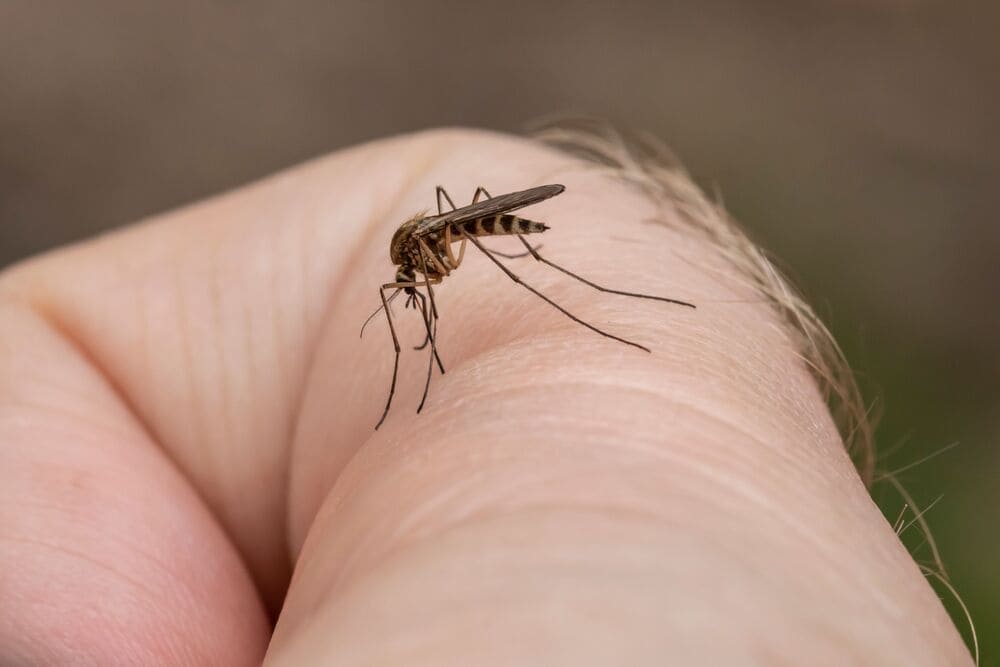
As we have seen, these insects are attracted to moisture, body odours and the carbon dioxide we breathe out.
Here, then, are some effective ways to keep mosquitoes at bay:
- Remove standing water around your home to prevent mosquito larvae from developing.
- Install mosquito nets on windows or around the bed to avoid bites during the night.
- Use a mosquito repellent on your skin or in your surroundings (diffuser, spray, citronella candle).
- Plant mosquito-repelling plants on the balcony or terrace (lavender, citronella, geranium).
- Wear covering clothing in the evening when mosquitoes are most active.
What attracts mosquitoes?
These insects are attracted by several factors linked to the environment and the human body.
Stagnant water: an ideal breeding ground for larvae
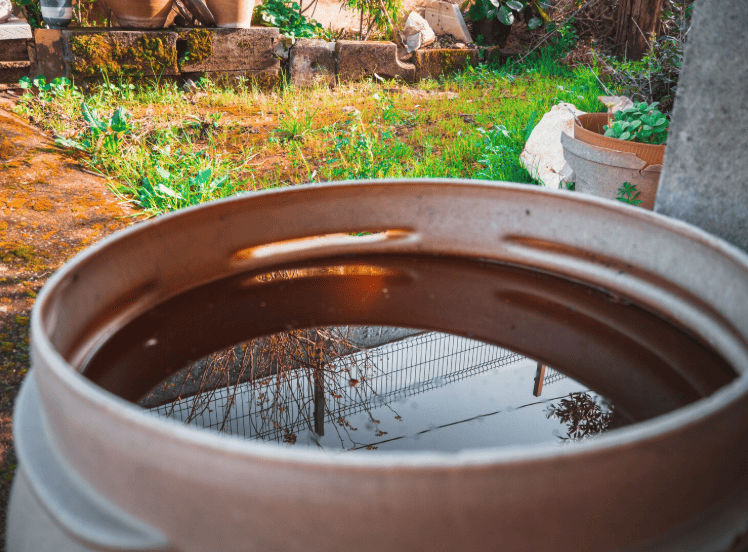
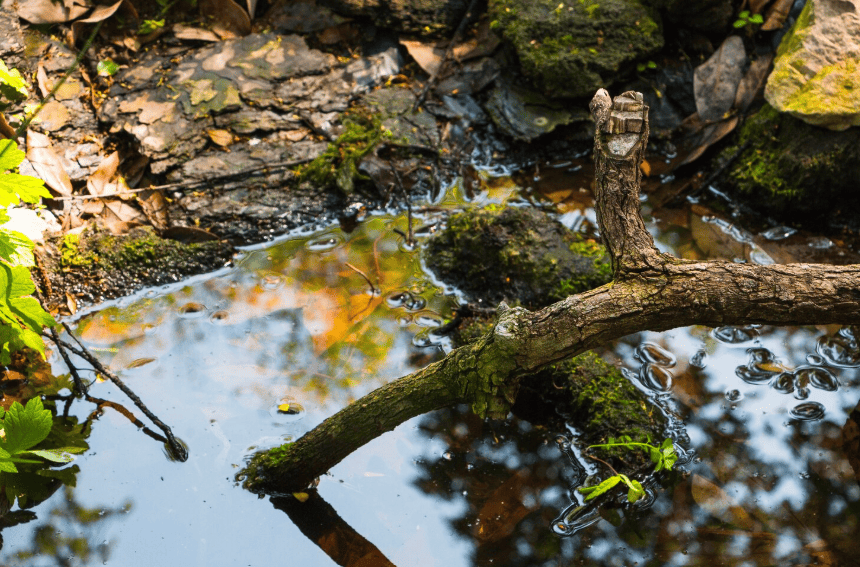
Mosquitoes need stagnant water to reproduce. The female mosquito lays her eggs there, which then develop into mosquito larvae and eventually into adult mosquitoes.
Mosquito larvae are often found in:
- plant saucers,
- rainwater collection tanks,
- blocked gutters,
- buckets or watering cans left outside,
- poorly maintained swimming pools.
Just a few millimetres of water is enough for mosquito larvae to develop.
The carbon dioxide we breathe out
Mosquitoes track down their victims using the carbon dioxide (CO₂) we exhale when we breathe. The more CO₂ a person releases, the more likely they are to attract these insects.
This is particularly true of:
- people who are exercising,
- pregnant women,
- or people who are breathing more rapidly.
This is also why mosquitoes buzz around your head at night.
Body heat and sweat
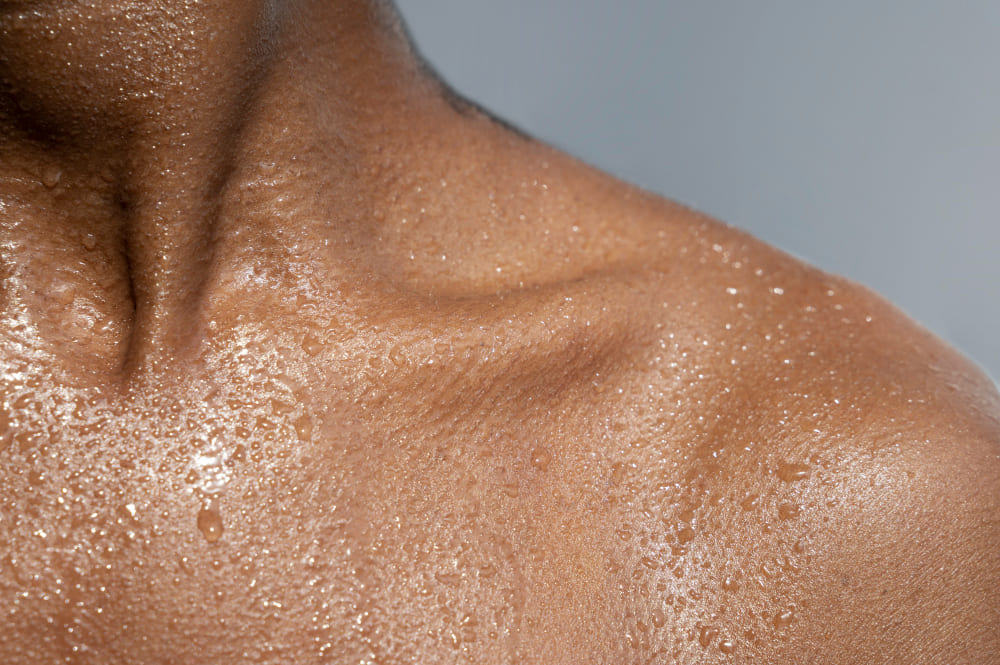
Body heat and certain odours produced by the skin also attract mosquitoes. Sweat releases chemicals that these insects can detect very easily. This is why some people feel they are bitten more often than others.
Good to know: drinking alcohol also attracts mosquitoes.

Blood type
Many of you feel you get bitten more than others. You’re not imagining things.
Several scientific studies suggest that blood type may influence how attractive you are to mosquitoes. A study published in 2004 in the Journal of Medical Entomology showed that mosquitoes are more attracted to people with blood group O than to those with groups A or B. Researchers observed that mosquitoes landed on individuals with group O almost twice as often.
👉 See also: Mosquito bites: how to recognise and treat them?
Odours and the surroundings of your home
Finally, the area around your home also plays a role. Mosquitoes love:
- damp areas,
- gardens with lots of vegetation,
- hedges and shaded areas,
- patios where water can collect.
These places provide them with moisture, shade and hiding places during the day.
FAQ
How can you get rid of mosquitoes quickly?
How can I get rid of a mosquito infestation?
Here is what you should do first:
– empty plant saucers and containers holding water,
– clean gutters and rainwater collectors,
– use a mosquito trap or a tiger mosquito trap in the garden,
– install mosquito nets and repellents in the house.
How can I get rid of mosquitoes inside the house?
– fit mosquito nets to your windows,
– use a plug-in mosquito repellent or a mosquito diffuser,
– swat any insects you see with a fly swatter,
– check that there is no standing water in plant saucers.
How can you get rid of mosquitoes outdoors?
In particular, remember to:
– empty containers holding water regularly,
– maintain your gutters,
– cover rainwater collection tanks,
– plant mosquito-repelling plants such as lemongrass, lavender or citronella geranium.
How can you keep mosquitoes away using a traditional remedy?
– place candles or essential oils containing citronella,
– use lavender or citronella geranium to repel mosquitoes,
– spray a mixture of water and white vinegar around high-traffic areas.
What is the smell that mosquitoes hate the most?
– lemongrass,
– lavender,
– lemon eucalyptus,
– lemon geranium,
– peppermint.
