Silverfish, also known as silverfish, are small, inconspicuous insects that are sometimes found in our bathrooms, kitchens or cellars. Their appearance and nocturnal presence often cause concern. Are they dangerous to health? Can they bite, transmit diseases or cause damage? We take stock in this article.
You will also find effective solutions for managing an infestation without risk.
Key information
➡️Les poissons d’argent ne sont pas dangereux pour l’homme ni pour les animaux domestiques : ils ne piquent pas, ne mordent pas et ne transmettent aucune maladie.
➡️ Leur présence en nombre peut indiquer un problème du logement (humidité, mauvaise ventilation, fuites).
➡️ L’humidité est le facteur n°1 de leur prolifération
➡️ Les éventuels dégâts sont matériels et mineurs : grignotage des papiers et cartons.
➡️ Dans la majorité des cas, des méthodes naturelles suffisent pour s’en débarrasser
➡️ Les traitements chimiques agressifs sont rarement nécessaires et peuvent être plus risqués que utiles s’ils sont mal utilisés.
Brief overview of silverfish
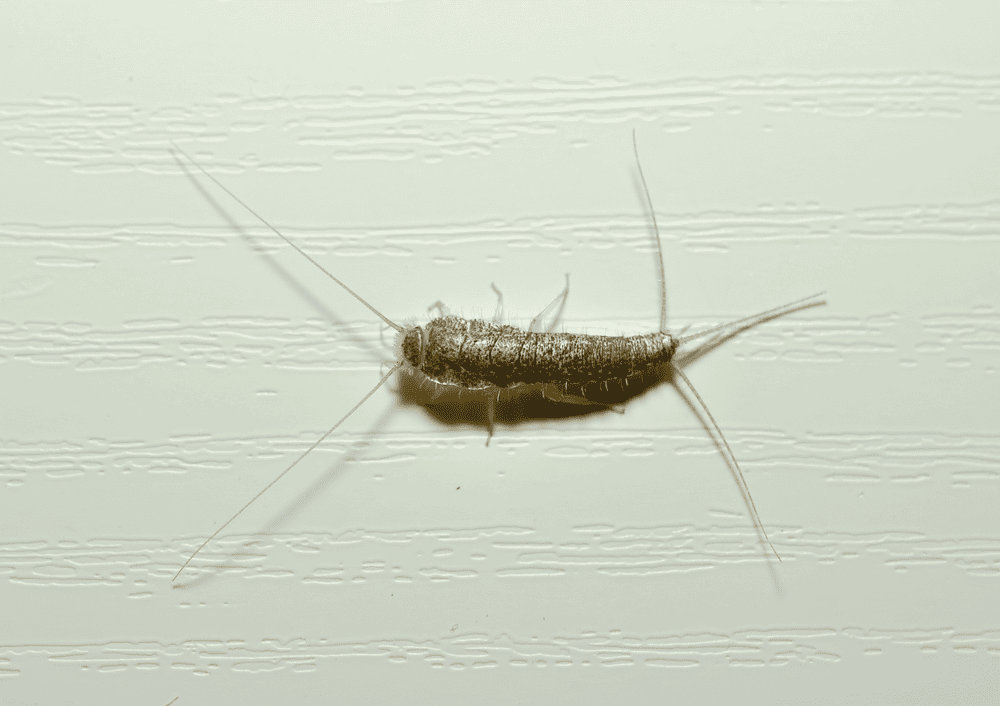
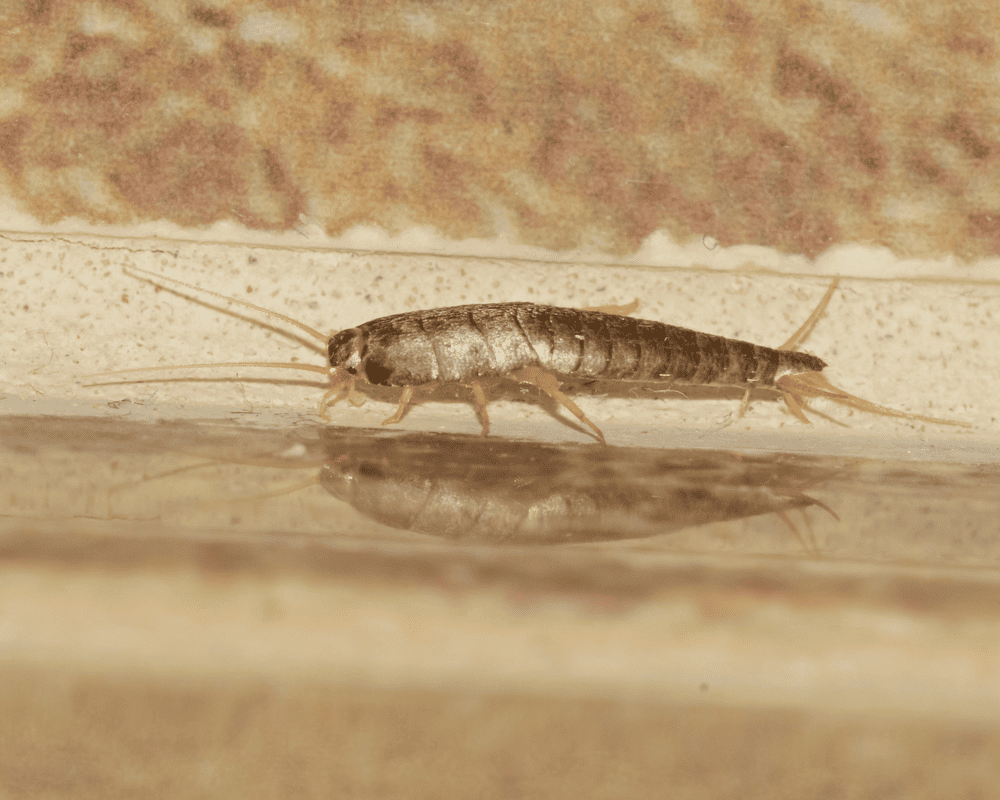
Silverfish are small domestic insects commonly found in damp homes. Their name comes from their elongated, flattened, silvery bodies, which are covered with fine scales that give them a shiny appearance when they move.
Characteristics
- Scientific name: Lepisma saccharina
- Size: approximately 10 to 15 mm as an adult
- Aptér insect: it has no wings
- Colour: silvery grey with metallic sheen
- Morphology: streamlined body, two long antennae at the front and three filaments at the rear
A nocturnal, discreet and timid insect
The silverfish is a light-shunning insect: it flees from light and moves mainly at night. Very fast, it immediately takes refuge in cracks, skirting boards or corners as soon as it is disturbed.
It particularly likes damp, warm and poorly ventilated environments, such as:
- bathrooms,
- kitchens,
- cellars,
- laundry rooms,
- under sinks or areas close to pipes.
Unlike other pests such as bed bugs, it does not seek contact with humans and never attacks voluntarily.

Are silverfish dangerous to humans?

Silverfish bites: myth or reality?
Silverfish do not sting or bite.
- They have no stingers, venomous hooks or stinging apparatus.
- They are not capable of piercing human skin.
- They do not feed on blood or living tissue.
If you notice redness, itching or bed bug bites, the cause is likely to be something else (bed bugs, mosquitoes, fleas, dust mites, etc.). Silverfish are often wrongly blamed simply because they are visible at night.
Do they transmit diseases?
There are no known health risks. Silverfish do not transmit any viruses, bacteria or parasites to humans.
Furthermore, even though they may come into contact with food, they do not pose a hygiene or food contamination problem.

Are silverfish dangerous to pets?
Don’t worry about your four-legged friends, silverfish pose no danger to pets.
- Silverfish are not poisonous.
- They do not transmit any diseases to animals.
- There is no risk if they are accidentally ingested.
- They do not sting or bite.
- A dog or cat that catches one out of curiosity is not at risk.
Be careful not to use insecticide treatments in the presence of your pets.
If you have pets at home, opt for:
- natural methods (reducing humidity, cleaning, sealing cracks),
- mechanical traps without toxic substances,
- products that are clearly compatible with the presence of animals, following the instructions carefully.
➡️ See also: Are bed bugs dangerous to pets?
Silverfish: what damage can they cause in the home?
Silverfish feed mainly on materials rich in starch, sugar and cellulose. Certain everyday objects can therefore be damaged over time.
However, it’s nothing catastrophic; the damage is limited to nibbled edges, small scraped areas, or irregular holes.
The following items and materials are vulnerable to silverfish:
- Pages of books, magazines, administrative documents or archives.
- Storage boxes, storage containers, files.
- Wallpaper that has come unstuck or been damaged in damp areas.
- Frequent damage behind skirting boards, in corners or under furniture.
Unlike clothes moths, silverfish do not attack clothing. In rare cases, they may attack textiles containing starch.
A warning sign that should not be ignored
Although there is no health risk, the presence of silverfish is not insignificant. It is a sign that your home has:
- excessive humidity (bathroom, cellar, laundry room),
- poor ventilation (no mechanical ventilation, blocked vents),
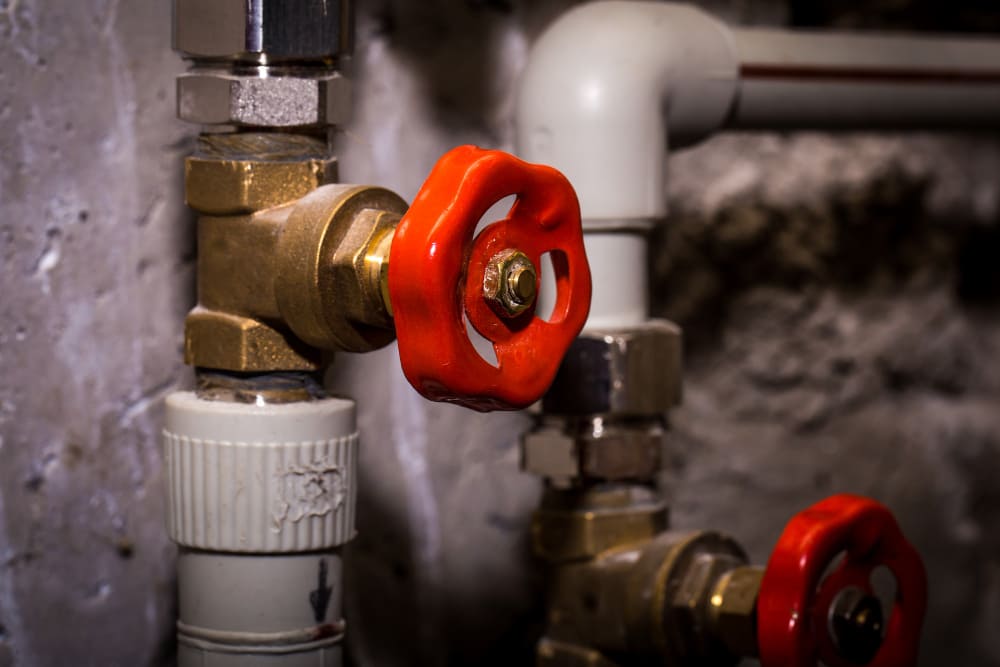
- water leaks or persistent condensation (pipes, joints, walls).
Silverfish require moisture to survive. If they are present in large numbers, it means that conditions are ideal for them and potentially problematic for the home, causing mould and damage, for example.
How can silverfish be eliminated safely?

Reducing humidity is a priority
Silverfish do not survive long in a dry environment.
- Ventilate each room for 10 to 15 minutes every day.
- Use a dehumidifier in damp rooms (bathroom, basement, laundry room).
- Repair any water leaks or faulty seals quickly.
Clean regularly
- Vacuum skirting boards, cracks, under furniture and dark corners.
- Clean floors and surfaces with a standard household cleaner.
- Remove dust, crumbs, cardboard and unnecessary paper.

Diatomaceous earth
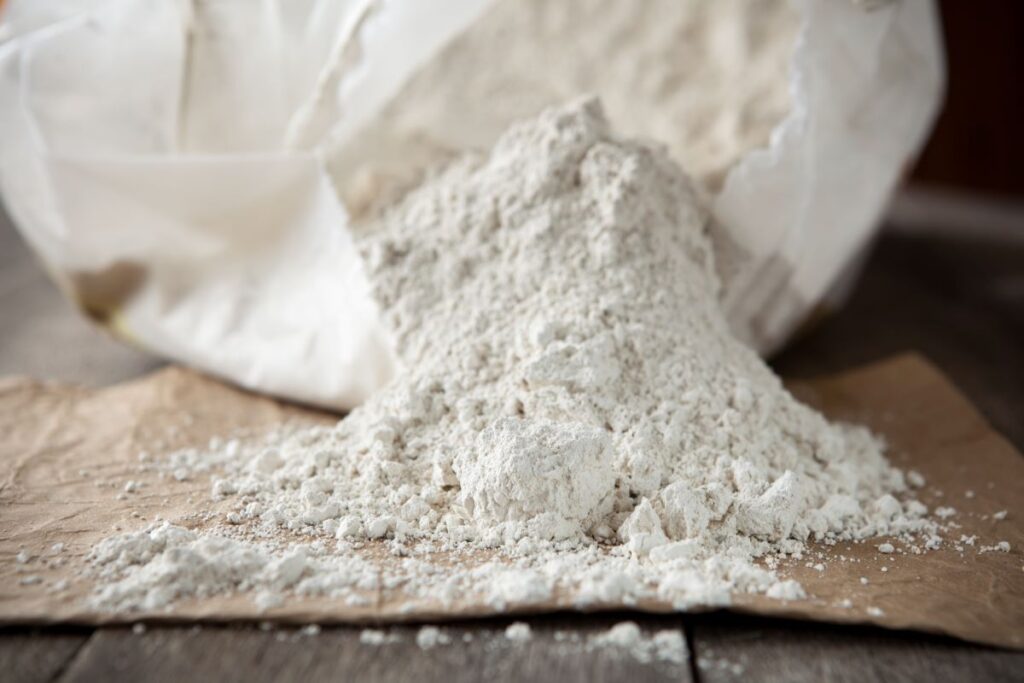
Food-grade diatomaceous earth dehydrates insects.
- Sprinkle a thin layer in cracks, under skirting boards or behind furniture.
- Never use calcined diatomaceous earth (dangerous to inhale).
Natural repellents (smells)
Lavender (in sachets) and cinnamon sticks repel silverfish. Feel free to place them around your home.
➡️ For more information: Our tips for getting rid of silverfish for good.