



Are your dogs and cats constantly scratching? Do you have bites that are extremely itchy? You probably have fleas in your home. To stop the infestation, here are some effective solutions to get rid of and prevent these parasitic insects.
Key information
➡️ Fleas primarily target dogs and cats, but can also bite humans.
➡️ 95% of fleas live in the environment (carpets, skirting boards, baskets, textiles) and only 5% on animals.
➡️ A female flea can lay 20 to 50 eggs per day, which explains how quickly an infestation can spread.
➡️ To get rid of fleas permanently, you need to treat both the animal and the home at the same time and put preventive measures in place.
➡️ Natural solutions can help, but they are not enough on their own in the case of an established infestation.
👉 See also: Understanding the biology and behaviour of fleas
Causes and signs of a flea infestation
Where do fleas come from?
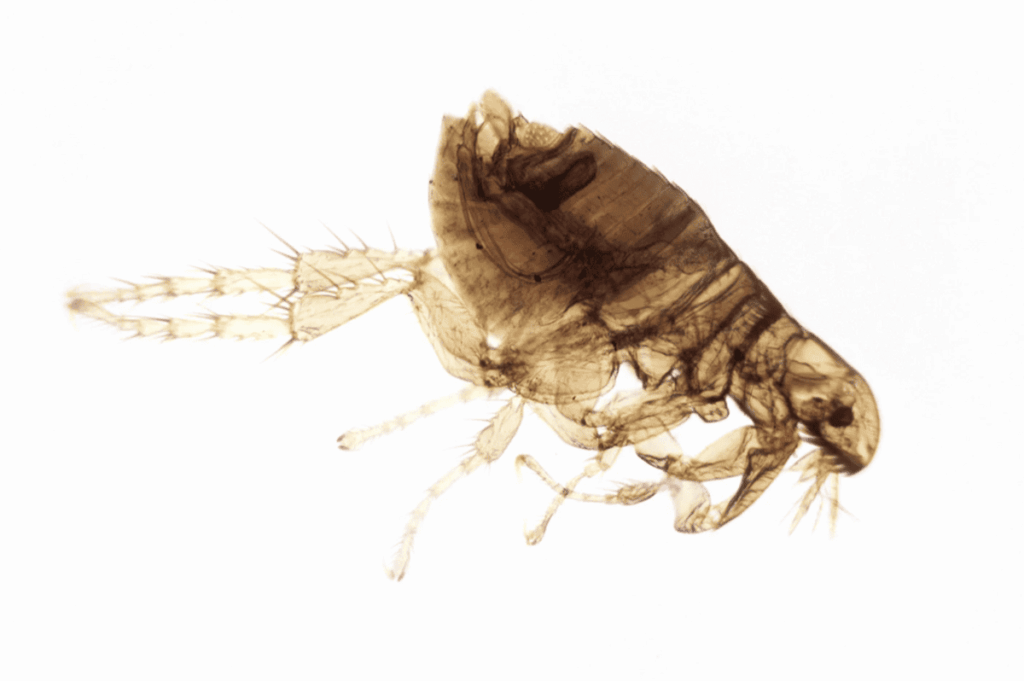
Pets are the main way fleas get into your home.
Dogs, cats, ferrets, or any furry animal are very popular hosts for these tiny parasitic insects.
A simple walk, contact with another animal with an infestation, or a visit to a contaminated place (park, garden, stairwell) is enough to bring fleas home.
Once on the animal, they feed, lay eggs, and quickly colonise the environment.
Fleas may also be present in the home before you even arrive:
- previous tenant with animals,
- home left empty for several weeks,
- infested basement, attic, or outbuilding,
- affected neighbourhood (adjoining flats, common areas).
The purchase of contaminated second-hand furniture or clothing is also a source of contamination.
Finally, fleas can cling to the soles of your shoes.
➡️ Note: 95% of fleas live in the environment (carpets, skirting boards, baskets, rugs, etc.) and only 5% on animals. It is therefore possible to have fleas in your home without immediately seeing them on your pet.
How can you recognise a flea infestation?
A flea infestation may go unnoticed at first, but can quickly become invasive. Here are some signs to look out for 😉.

Animals that scratch themselves unusually
A dog or cat that suddenly starts scratching compulsively most likely has fleas.
Other signs may alert you:
- excessive licking,
- localised hair loss,
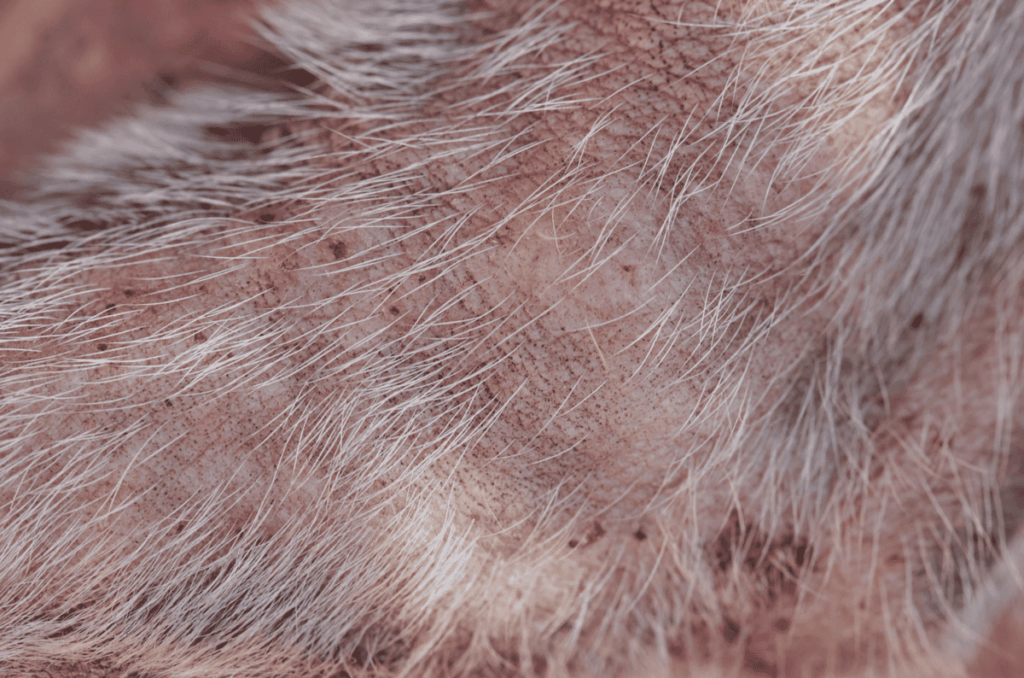
- red, irritated skin or small scabs.
Visible fleas in the fur
By parting your pet’s fur, particularly around the neck, back or base of the tail, you may see small, dark brown fleas moving quickly or jumping.
You can use a flea comb (available from pharmacies) to be sure.
Clusters of bites with severe itching
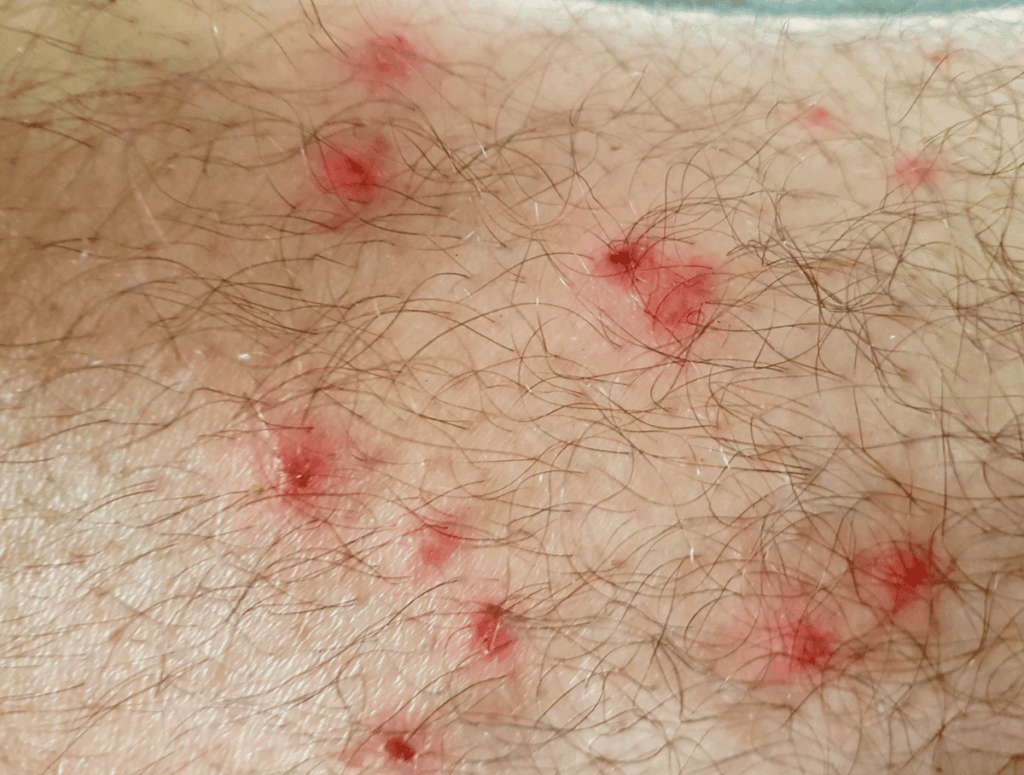
Fleas can sometimes bite humans. These bites are usually multiple and often clustered on:
- the legs,
- ankles,
- feet,
- and sometimes the arms.
These bites are very pruritic (they itch intensely) and may remain visible for several days. Repeated scratching increases the risk of irritation or infection.
Another tell-tale sign is the sensation of an insect jumping on your skin or clothing. This is typical of fleas, which are capable of jumping several dozen centimetres.
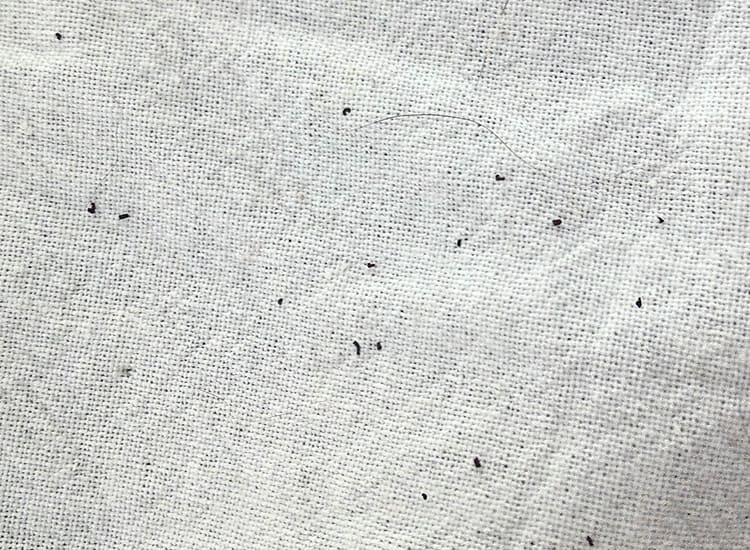
Black droppings in your home
Fleas leave behind small droppings that look like black dots.
They can be found:
- in pet baskets and cushions,
- on rugs and carpets,
- along skirting boards,
- on sheets or sofas.
➡️ Tip: place these black dots on damp paper. If they turn reddish, they are indeed digested blood… and therefore flea droppings.
Natural methods for eliminating fleas
Be aware that flea infestations can spread very quickly. An adult female can lay 20 to 50 eggs per day. It is essential to treat both your pets and your home to get rid of them.
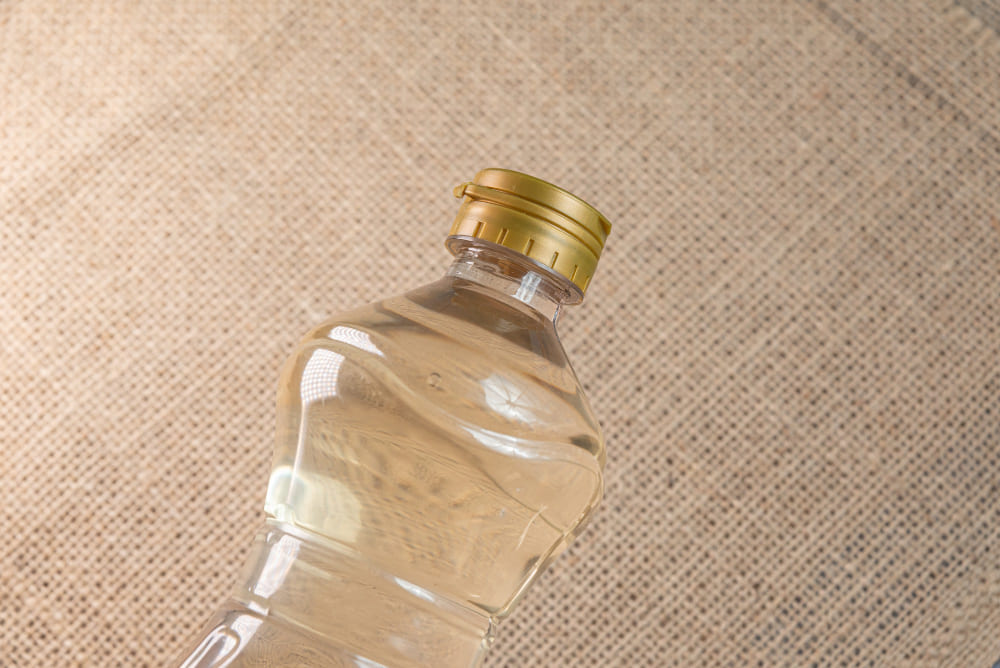
1) White vinegar
White vinegar is an effective natural flea repellent thanks to its acidic smell.
It does not kill them directly, but it does scare them away and helps to clean areas affected by infestation.
Another useful feature is that it can dissolve the cuticle (the layer that protects the flea’s body) and make them vulnerable.
Directions for use: mix 50% water and 50% white vinegar, then spray onto floors, skirting boards, carpets, pet baskets and high-traffic areas.
2) Lemon
Lemon is also an effective natural flea repellent.
Directions for use: prepare a lemon spray by boiling lemon slices in ½ litre of water. Leave to infuse for a day, then spray onto surfaces (not your pets!).


3) Essential oils (with caution)
Certain essential oils have a recognised repellent effect against fleas and ticks:
- true lavender,
- lemon eucalyptus,
- lemongrass,
- tea tree.
Directions for use:
- Add 5 to 10 drops to 500 ml of water + a spoonful of black soap to emulsify,
- spray around the environment (skirting boards, carpets, baskets).
⚠️ Caution: never apply essential oils directly to your pets. Some varieties are toxic to cats.
It is advisable to seek advice from your vet.
4) Diatomaceous earth
Food-grade (uncalcined) diatomaceous earth is a highly effective pesticide. It is often used against bed bugs.
Specifically, it acts mechanically by drying out adult insects.
Directions for use: sprinkle a thin layer in your pet’s basket and in areas where they frequently walk. You can also sprinkle it along skirting boards, under furniture, in cracks and crevices, and on carpets (vacuum after a few days). Leave for 48 to 72 hours before cleaning.
Another solution: apply food-grade diatomaceous earth to your dog’s or cat’s coat. Massage it in, then brush to remove any excess.

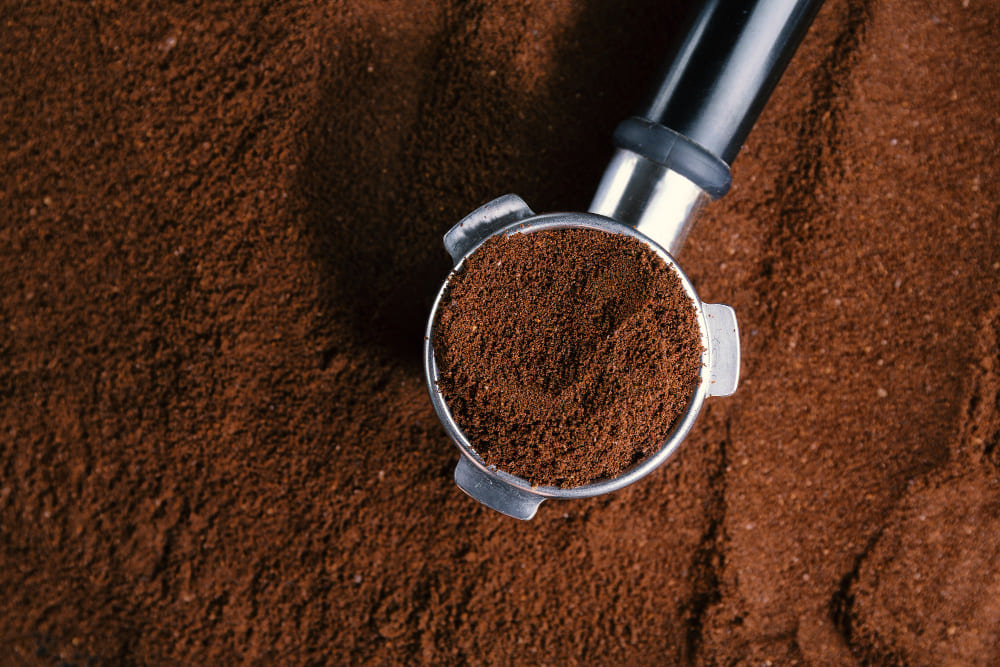
5) Coffee grounds
Here is an inexpensive flea repellent. Coffee grounds act as a repellent.
Directions for use: gently rub your cat or dog’s coat with coffee grounds, then rinse.
Key points:
These traditional remedies for fleas are inexpensive and safe, but are not sufficient in cases of advanced infestation. To get rid of fleas permanently, it is essential to take action on several fronts:
- the animal (appropriate flea treatment),
- the environment (vacuuming, washing, targeted treatment),
- prevention to avoid re-infestation.
Mechanical means: acting on the environment and animals
Thorough cleaning of the home
Vacuum
Thorough cleaning will eliminate most adult fleas, but more importantly, it will remove the eggs, larvae and faeces that perpetuate the infestation.
A vacuum cleaner is your best weapon against fleas. Vacuum slowly, using a narrow nozzle if possible to reach into corners. Once you have finished, remove the bag, place it in an airtight bag and throw it away immediately in an outside bin.
Repeat this process every day during the treatment phase.

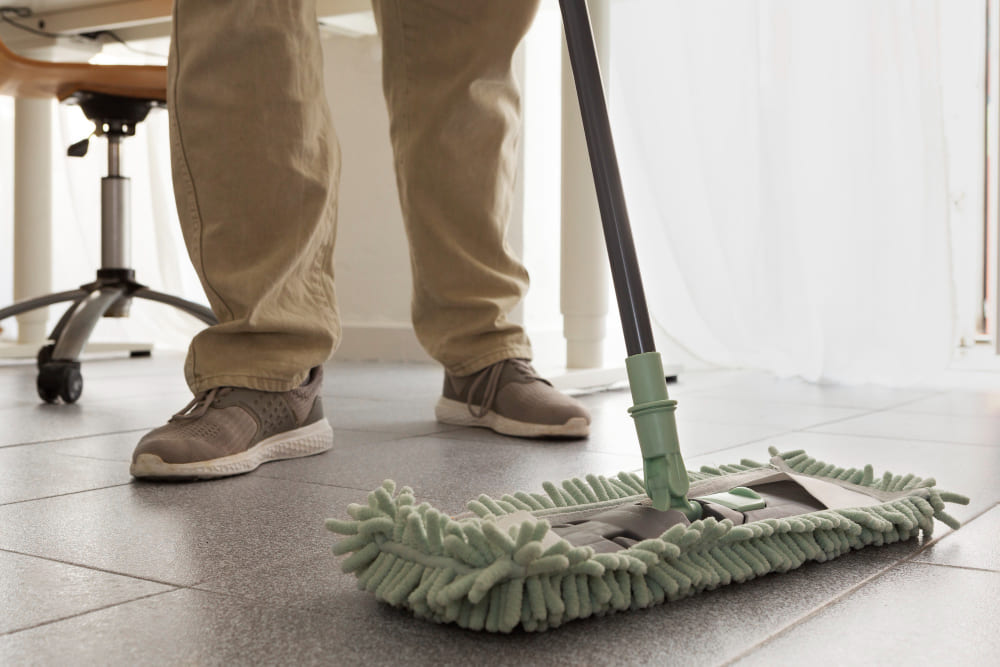
Clean the floors: mop + disinfect
After vacuuming, move on to the wet cleaning stage:
- clean the floors with hot water and a household cleaner,
- pay particular attention to areas frequented by animals,
- finish with a light disinfection, compatible with the presence of animals.
This step removes organic residues, flea droppings and larvae invisible to the naked eye.
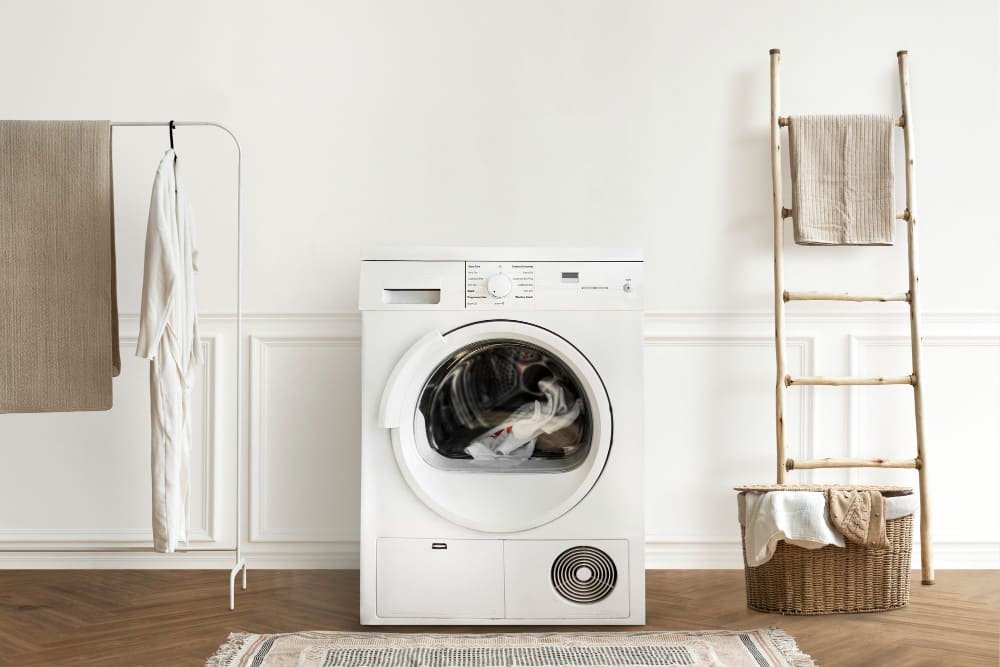
Wash all textiles at a high temperature
Fleas and their eggs cannot withstand heat.
If possible, then use a tumble dryer at a high temperature, which will increase the effectiveness of the treatment.
Wash at a minimum of 60°C: sheets, blankets, throws, cushions, baskets, covers, clothing that comes into contact with animals.
Grooming your pet
Proper grooming can eliminate most adult fleas, relieve itching and limit the spread of parasites in your home.

Use a flea comb
The flea comb has very fine teeth, capable of capturing fleas trapped in the coat.
Repeat the operation daily for several days in addition to other treatments.
Comb your dog or cat over a sink or a container of soapy water.
Focus on the areas where fleas tend to concentrate most: the neck, base of the tail, belly, back of the ears and folds of the legs.
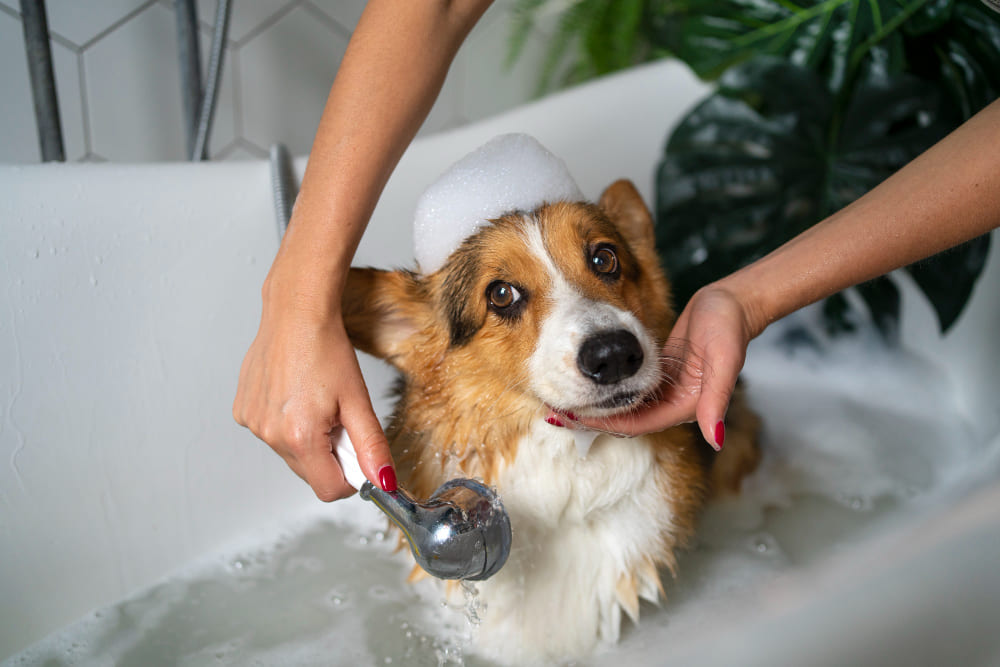
Take a bath with a suitable shampoo
An anti-flea shampoo should not be chosen at random. Ask your vet or chemist for advice.
This type of product helps to:
- eliminate some of the fleas on the animal,
- soothe skin irritation caused by bites,
- clean the coat before applying flea treatment.
⚠️ Never use flea shampoo for dogs on cats: some active ingredients are toxic to felines.
After each grooming session, take the time to inspect your pet:
- look for live fleas,
- check for small black spots (flea faeces),
- watch for redness, scabs or areas of hair loss due to scratching.
Limit your pets’ movements
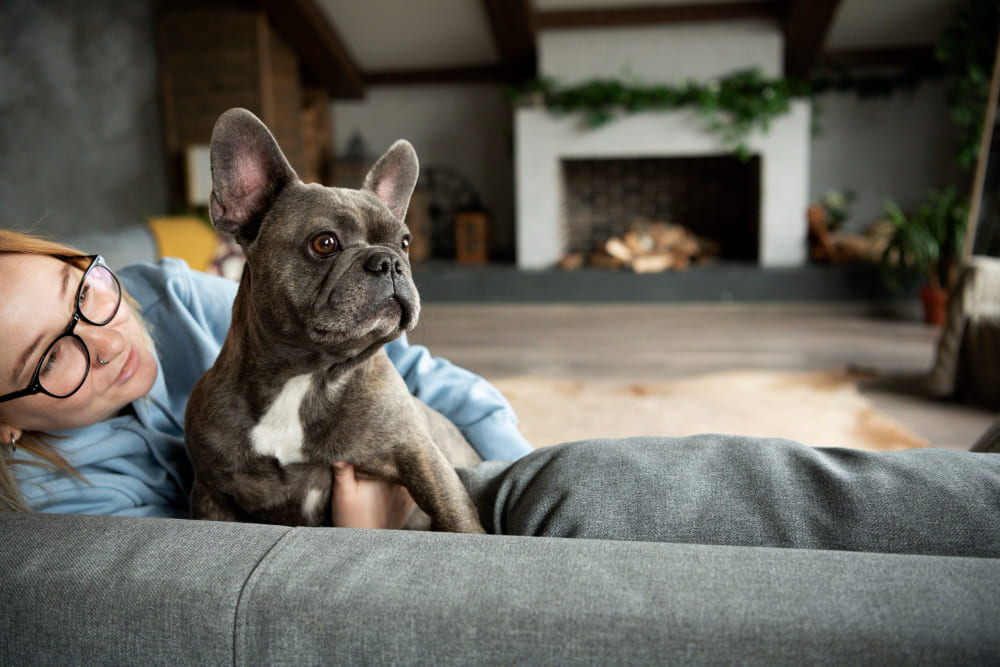
During the flea treatment phase, limit your pets’ movements. The less they move around, the less fleas, eggs and larvae will spread throughout the house.
Sofas, armchairs, bedrooms, etc. are off limits!
Effective chemical treatments and anti-flea products
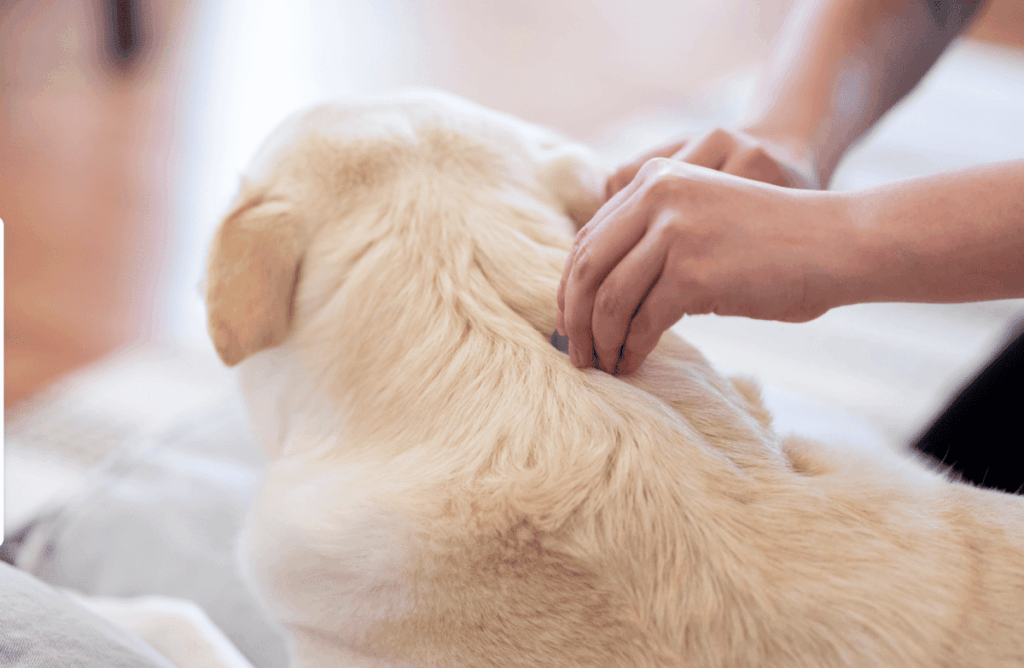
Flea treatment for dogs
For dogs, treatment must be tailored to their size, age and lifestyle. A very active dog or one that spends a lot of time outdoors will not have the same needs as a dog that lives indoors.
Spot-on pipettes
Applied to the skin between the shoulder blades or at the base of the neck, they spread the product over the entire body.
✅ Curative and preventive action
✅ Easy to apply
✅ Protection for 3 to 4 weeks
Flea collars
They slowly release an active substance against fleas (and sometimes ticks).
✅ Long-lasting protection
✅ Practical solution for dogs that go outside a lot
Flea tablets
These treatments work quickly after ingestion. The flea dies when it bites the dog.
✅ Very fast-acting
✅ Ideal for severe infestations
✅ Leaves no residue on the coat
Good to know: tablets are particularly useful when fleas are already well established in the home.

Flea treatment for cats
Flea treatment for cats must be chosen with great care. Some products used on dogs are toxic to cats. It is therefore essential to consult your vet to ensure that the treatment is suitable for your cat’s age, weight and state of health.
Spot-on pipettes
Applied directly to the skin, usually at the base of the neck, they release the active ingredient into the skin’s lipid film.
✅ Easy to use
✅ Preventive and curative action
✅ Protection for several weeks
Flea collars
They gradually release an active substance over the entire coat.
✅ Long-lasting protection (up to 6 to 8 months depending on the model)
✅ Useful for cats that go outdoors
Flea tablets (oral)
Administered orally, they work from the inside: the flea dies after biting.
✅ Fast-acting
✅ Very effective in cases of heavy infestation
Warning: never use flea treatment for dogs on cats. Certain molecules (such as permethrin) can cause serious poisoning.
Treating your home
Insecticide sprays
Flea sprays are widely used to treat homes. They allow targeted spraying of areas affected by infestation.
They have a dual action:
- immediate effect on adult fleas
- long-lasting effect on developing larvae
⚠️ Always ventilate after application and follow the instructions carefully.
Anti-flea powders
Insecticide or desiccant powders (some of which are based on silica or diatomaceous earth powder) are useful in hard-to-reach areas. They easily seep into cracks and act on larvae and hidden fleas.
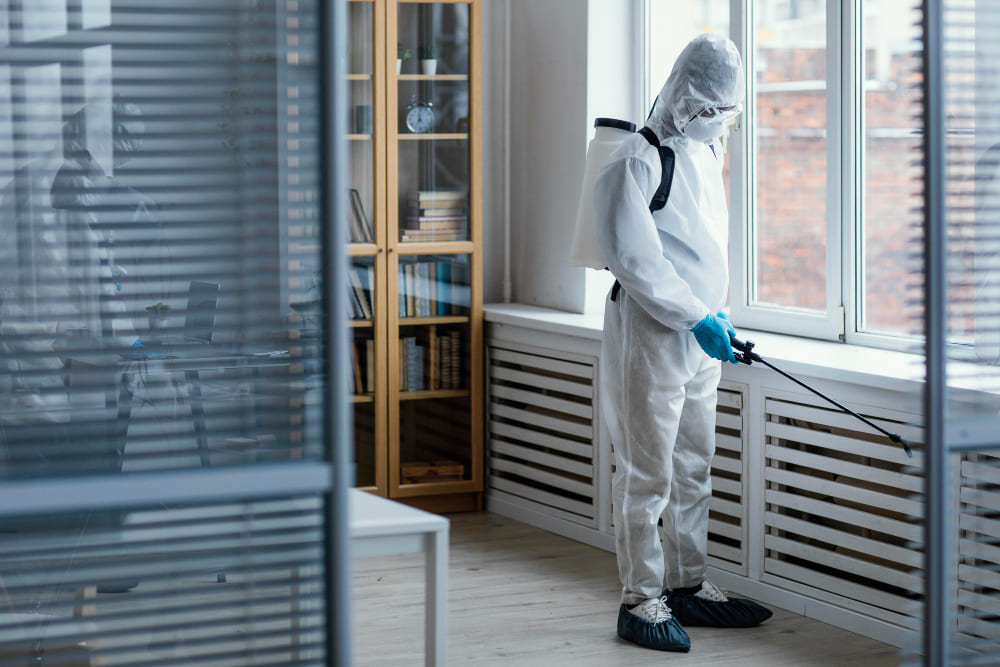
Fumigants (insecticide sprays)
Fumigants diffuse an insecticide in the form of a mist throughout the room. They are used in cases of severe infestation.
Please note that they must be used with caution (empty dwelling, animals and humans absent) and require prolonged ventilation after use.
When should you call in a professional?
When the flea infestation becomes uncontrollable, i.e.:
- the bites persist despite several attempts at treatment,
- fleas are visible in several rooms of the home,
- animals continue to scratch after flea treatment,
- the infestation returns systematically a few weeks later.
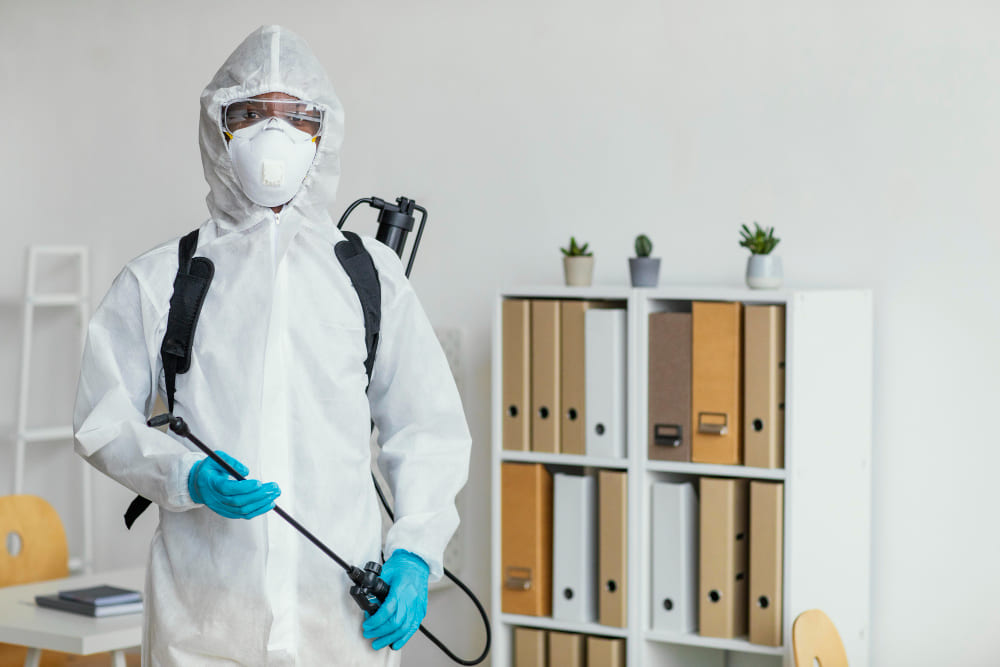
A professional pest control technician can then make an accurate diagnosis and use professional insecticide products.
How to choose a trustworthy professional?
All professionals who use insecticide products must hold a valid Certibiocide certificate issued by the Ministry of Ecological Transition.
This document certifies that the technician has completed comprehensive training on:
- the safe handling of chemicals,
- risks to human health,
- environmentally friendly methods.
See also: How to choose a professional for dealing with bed bugs?
Prevention tips to avoid fleas returning
Fleas are opportunistic: all it takes is a few forgotten eggs or an unprotected animal for the problem to start again. Here are some good habits to adopt:
✅ Use a suitable veterinary flea treatment (pipette, collar, tablet).
✅ Regularly inspect your dogs’ and cats’ coats.
✅ Brush and comb your pets with a flea comb.
✅ Clean floors, skirting boards and areas where your pets rest.
✅ Vacuum at least once a week.
✅ Wash regularly at a minimum temperature of 60°C.
✅ You can occasionally use diatomaceous earth and certain suitable natural repellents.
FAQ
Where do fleas hide in a house?
They are mainly found:
– in carpets, rugs and cracks in the floor,
– along skirting boards,
– in pet baskets, cushions and blankets,
– on sofas, armchairs and textiles,
– in dust (larvae and eggs).
How can you tell if you have fleas in your home?
– clusters of bites on the legs, ankles or folds of skin,
– intense itching,
– animal scratching excessively or losing hair,
– small black dots (faeces) in baskets or on carpets,
– sensation of an insect jumping.
Can you catch fleas without having a pet?
What smell repels fleas?
How long does it take to eliminate fleas?
What is the best way to eliminate 100% of fleas?
The only reliable approach is based on a combination of three actions:
– rigorous treatment of the animals,
– complete treatment of the housing,
– continuous prevention over several weeks.
