Head lice or nits? It’s not always easy to tell! Many people confuse nits with dandruff or assume they don’t have head lice because they can’t see them moving. In this article, we explain how to tell the difference between the two and determine whether you really do have an infestation. With clear explanations and photos, you’ll be able to identify the situation without making a mistake, and we’ll also provide treatment advice.
Key information
➡️ A louse is a live insect that moves around in the hair, whereas a nit is an egg attached to a hair shaft.
➡️Nits are immobile and very difficult to remove, unlike dandruff.
➡️Lice are mainly found behind the ears, at the nape of the neck and close to the scalp.
➡️Itching is common, but an infestation can be present without any symptoms.
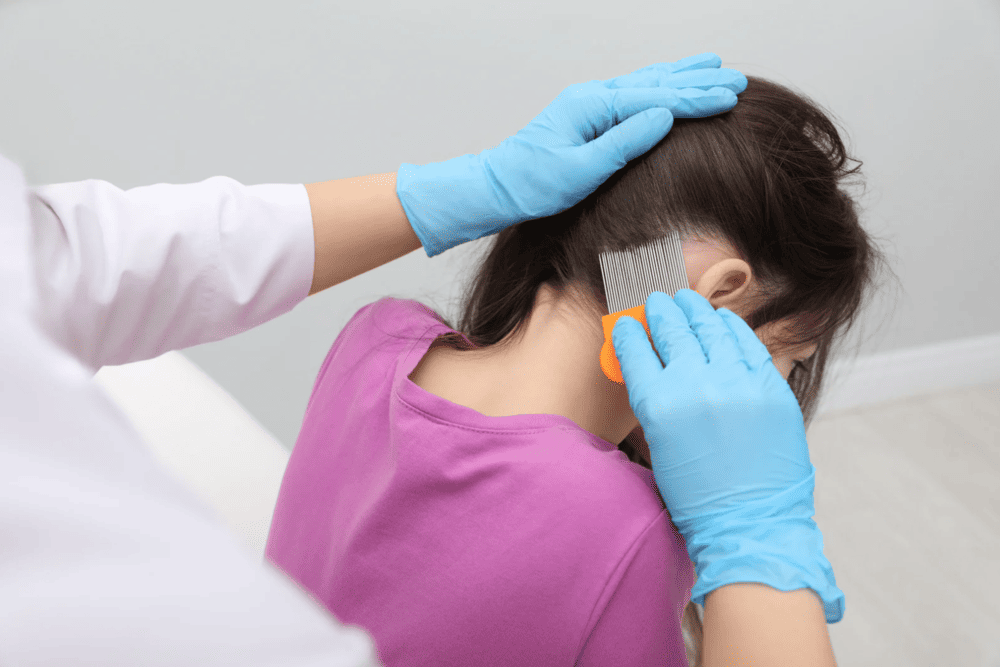
➡️The most reliable way to check for lice is to use a lice comb on wet hair.
Head lice or nits: what’s the difference?
A louse is a living insect, whereas a nit is an egg.
There is a lot of confusion, particularly with dandruff or hair residue.
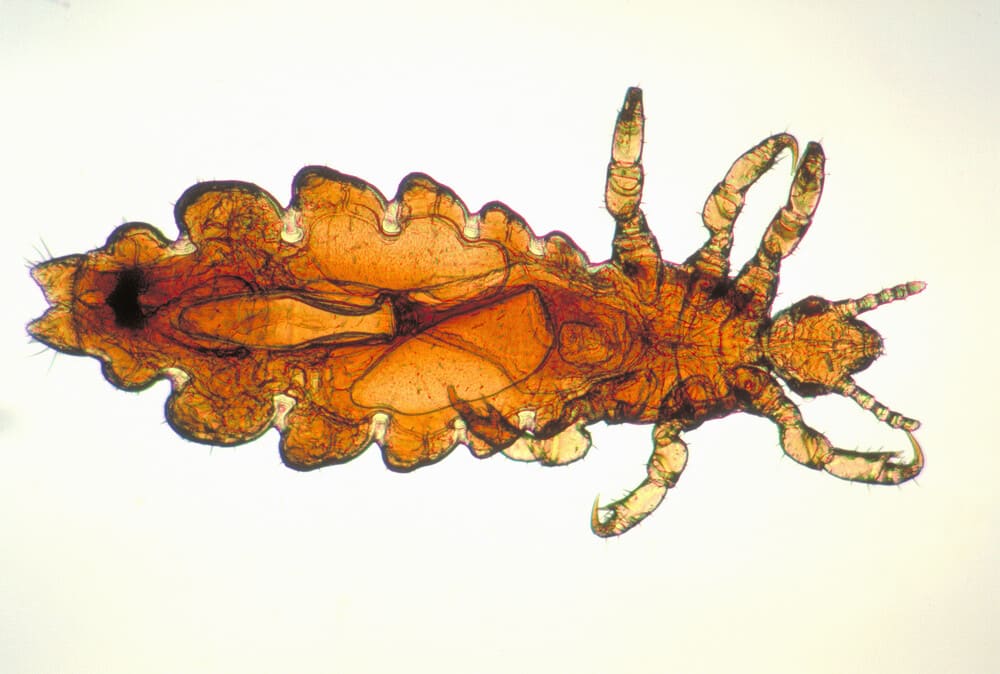
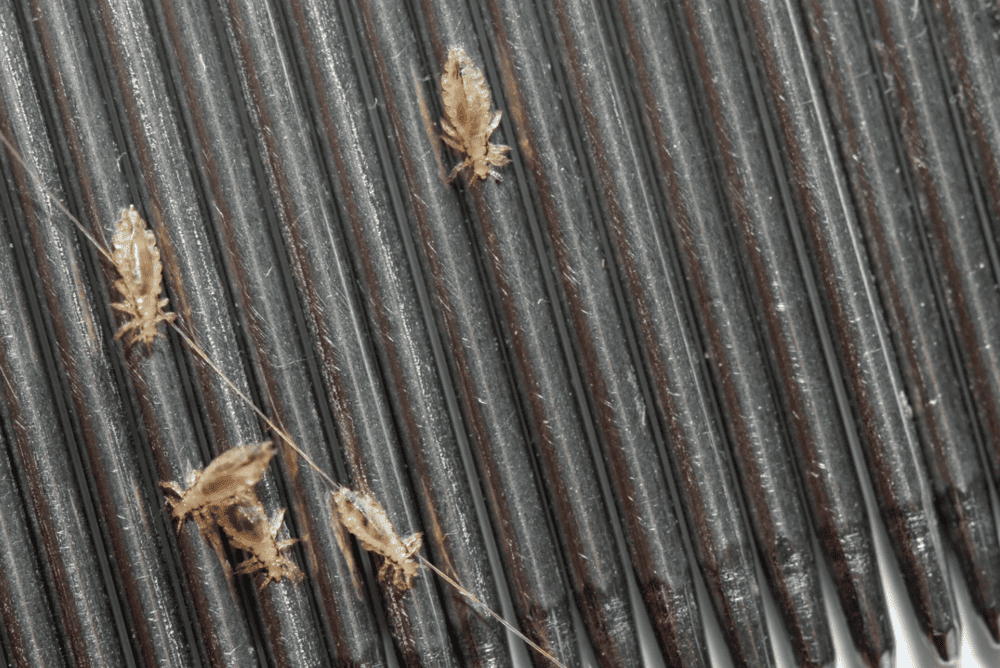
The louse (living insect)
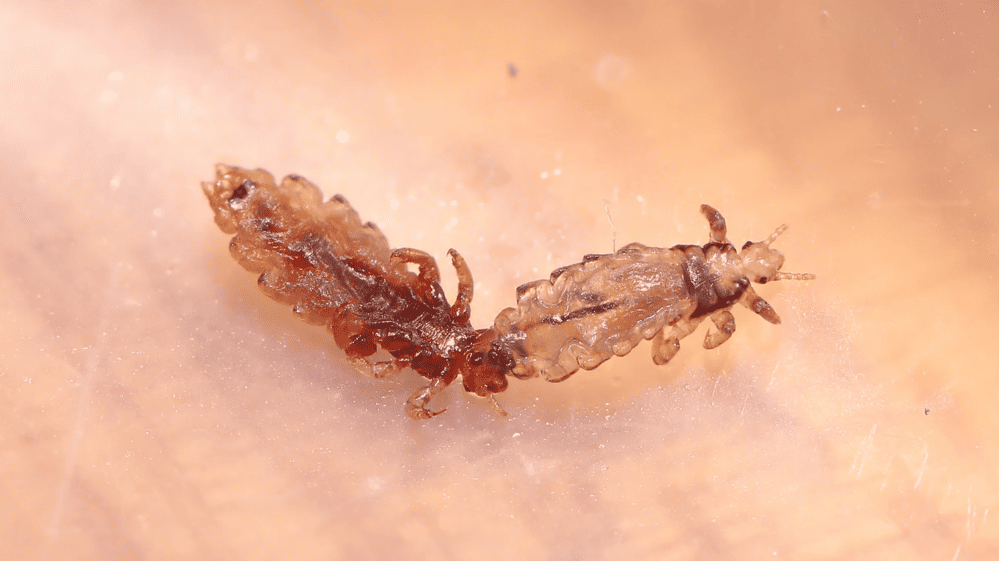
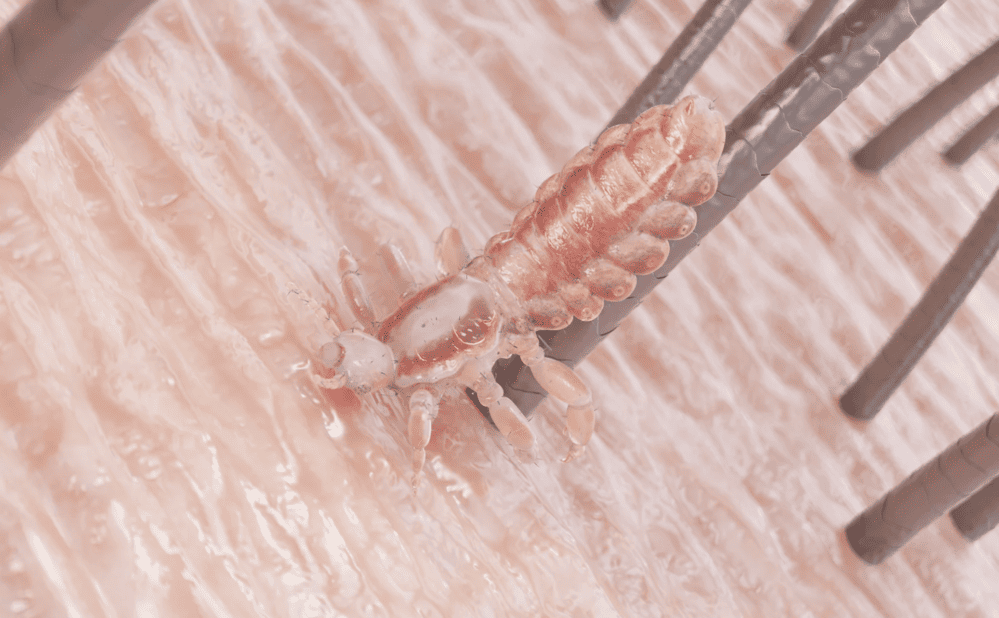
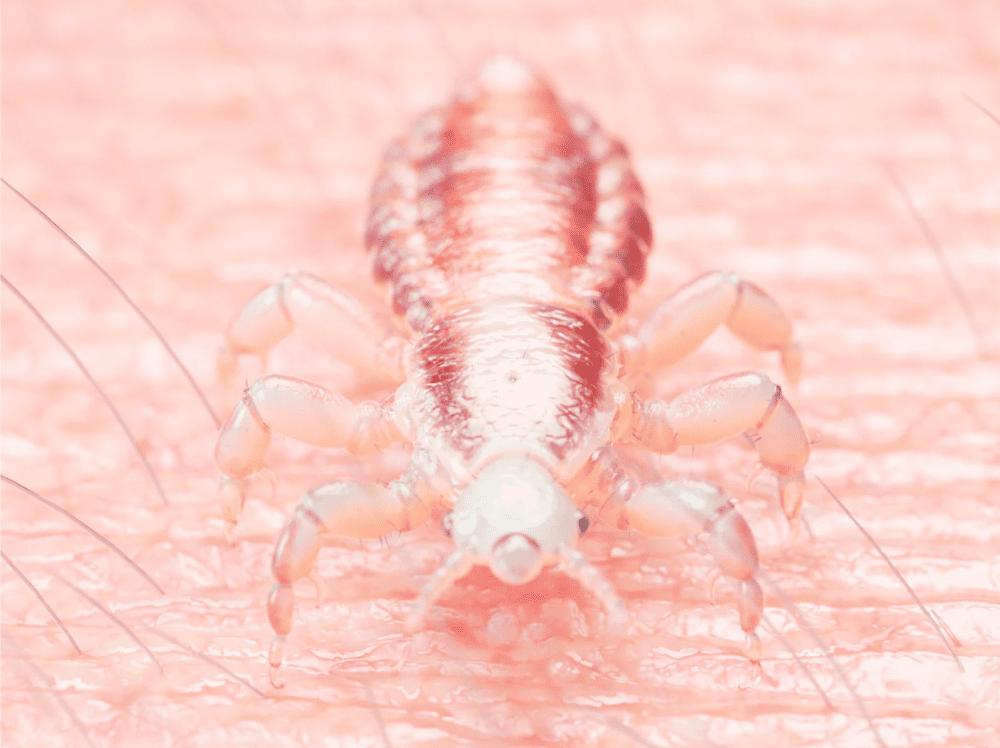
The head louse, also known as Pediculus humanus capitis, is a small parasitic insect that lives on the scalp and feeds on blood. This condition is also referred to as “scalp pediculosis”.
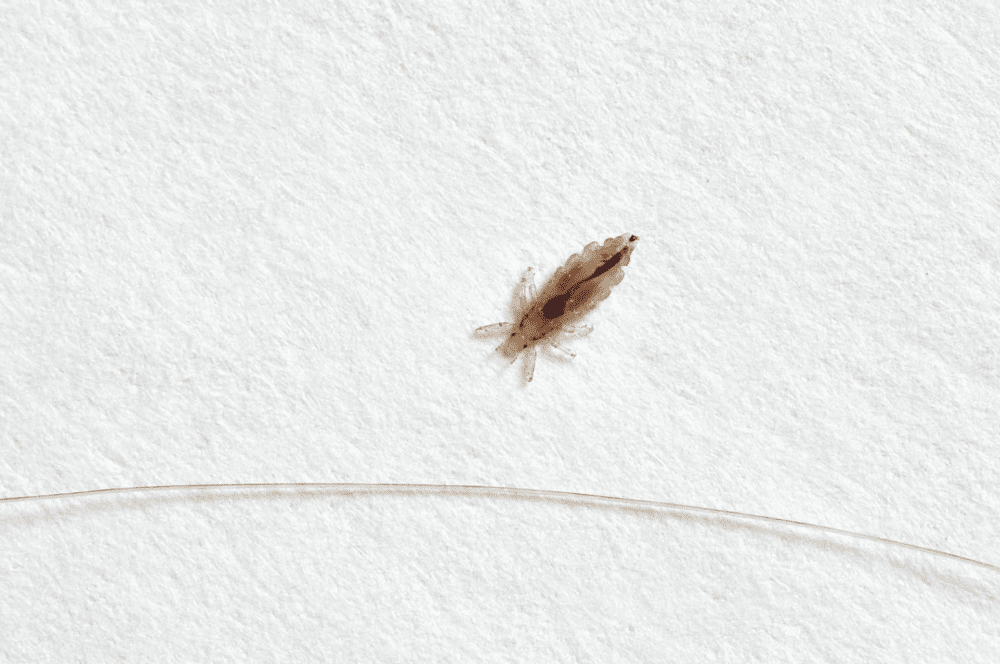
- Size: between 2 and 4 mm (roughly the size of a sesame seed)
- Colour: greyish, brown or sometimes translucent depending on the light and hair colour
- Appearance: elongated body, with 6 small legs that allow it to cling to the hair
- Mobility: it moves quickly, making it difficult to see and catch
- Behaviour: it moves along the hair shaft and often hides close to the scalp
Remember: if you see a small insect moving through your hair, it is definitely a louse… not a nits.
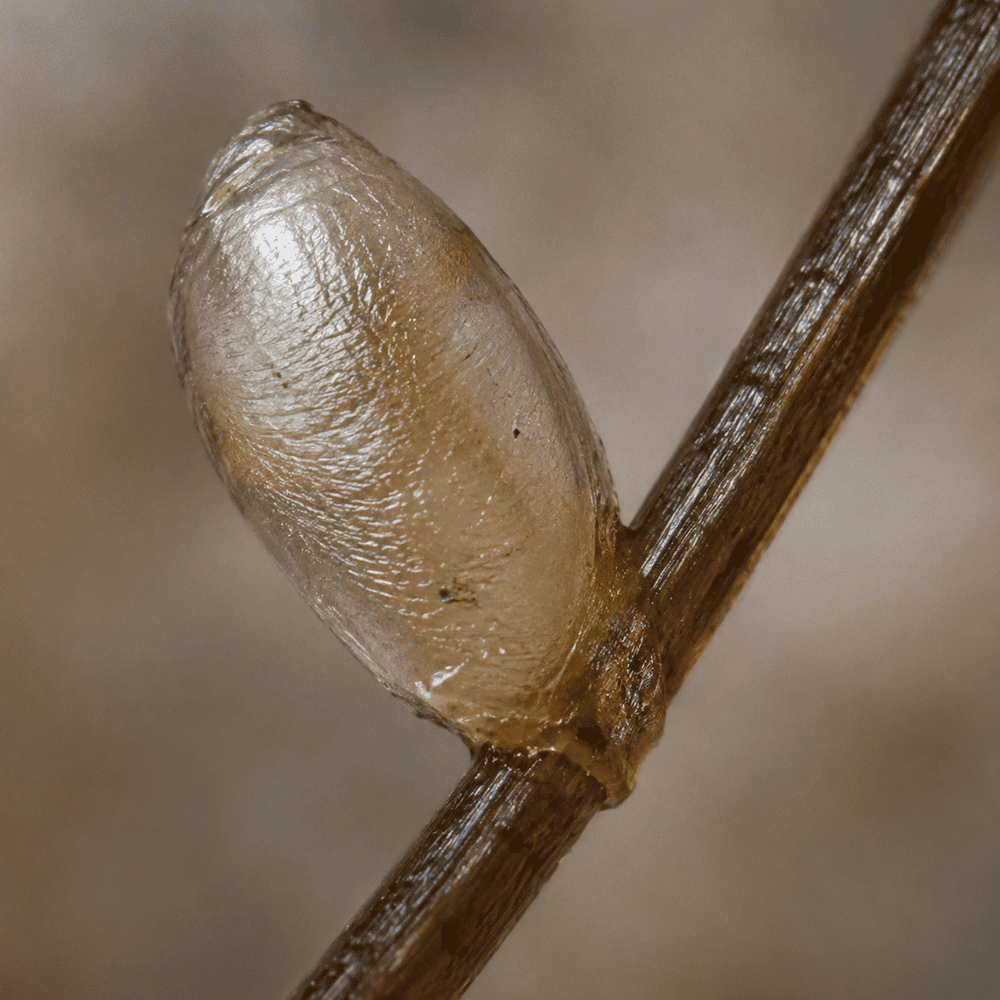
The nit (egg)
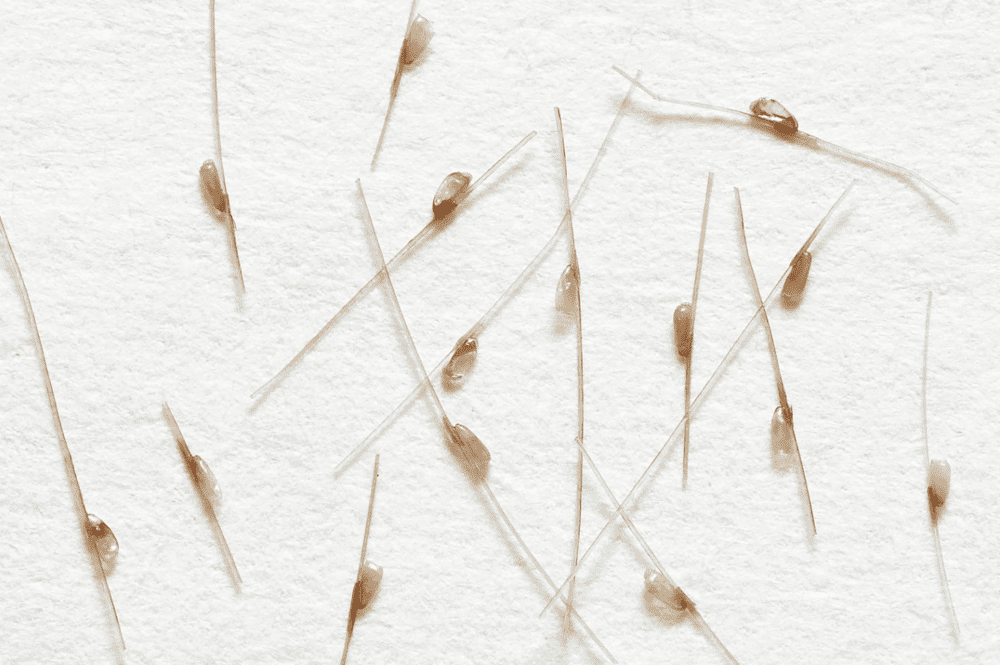
The nit is the louse’s egg. It is often the first thing to be spotted during an infestation.
- Size: very small, approximately 0.5 to 1 mm
- Colour: white, translucent or beige depending on its stage
- Appearance: oval shape, slightly elongated
- Position: firmly attached to the hair, close to the scalp
- Mobility: it does not move at all
Unlike dandruff, a nit is difficult to remove. It remains attachedchée même si vous secouez les cheveux.
Good to know: a nits near the root is usually alive, whereas a nits further away from the scalp may be empty (after hatching).
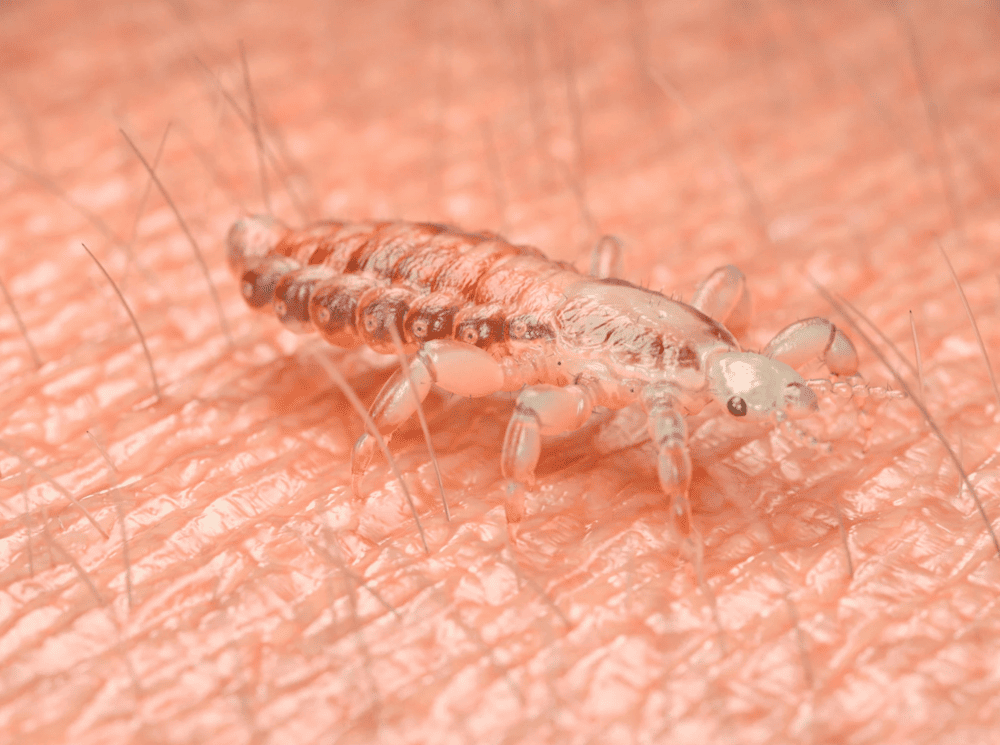
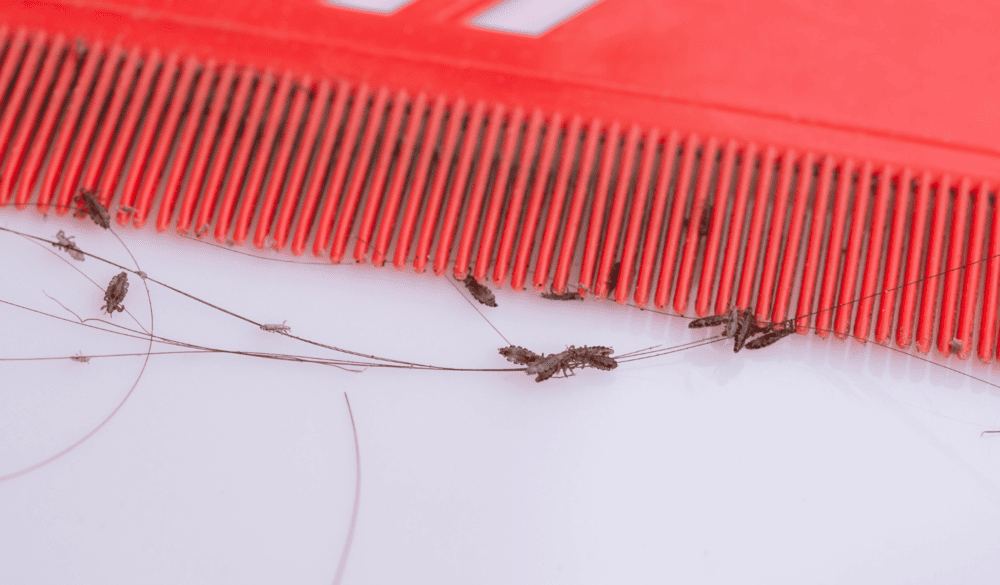
Photos of lice and nits in the hair
Where should you look for lice in the hair?
To find out if you have lice, start by checking these areas:
- behind the ears: a very common area for infestation
- the nape of the neck: lice hide there easily
- the hair roots: where the nits are attached
- the scalp: close to the skin, where the lice feed
These areas should be checked first, as this is where lice attach themselves and lay their eggs.
To detect lice effectively, you need to use the right method:
- wet the hair
- apply conditioner to make detangling easier
- use a lice comb
- work under good lighting, using a magnifying glass if possible
Then:
- Separate the hair into small sections
- Run the comb from the roots to the tips
- Check the comb after each pass
👉 This method is the most reliable way to detect lice, even when they are hard to see or the hair is long.
How can you tell if you have head lice?
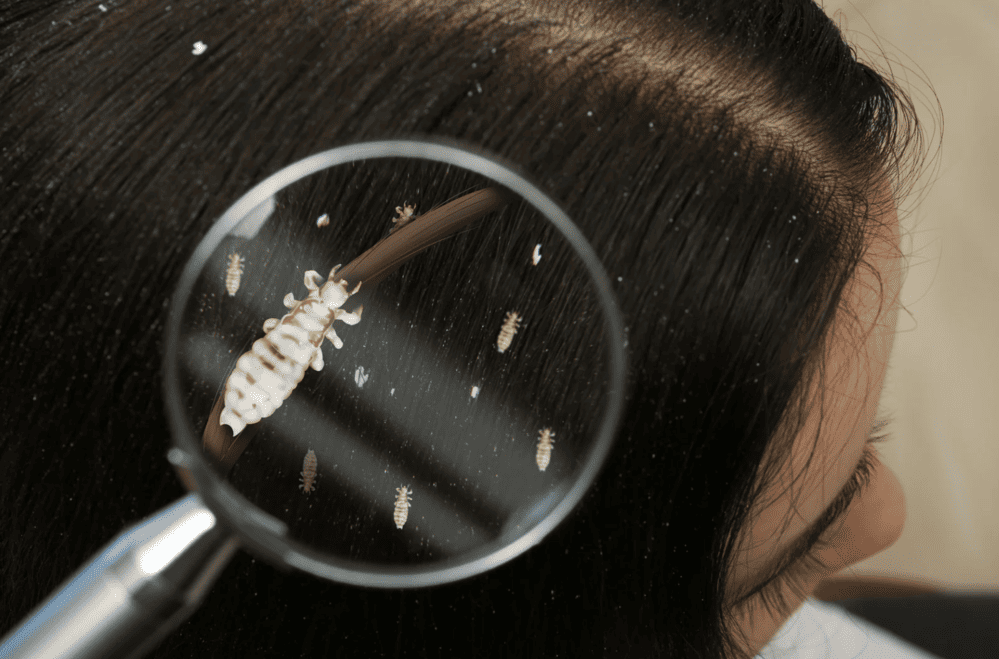
Lice are not always easy to spot at the start of an infestation. Many people only realise they have them after several days, when the itching becomes more severe.
The most common sign: itching
The main symptom is an itchy scalp. This is caused by the bites of the lice as they feed on blood.
This itching mainly occurs:
- behind the ears
- at the nape of the neck
- sometimes on the top of the head
It is often worse in the evening or after several days of infestation.
Other possible signs
As well as itching, you may notice:
- small red patches or irritation on the skin
- scratch marks
- a feeling of discomfort in the hair
- nits clinging near the roots
In some cases, repeated scratching can cause more severe skin irritation.
Can you have lice without itching?
Yes, especially at the beginning. Some people, particularly children, can have lice without scratching.
Can you have nits without lice?
Yes, it is entirely possible to find nits without any visible lice in the hair. This is quite common.
This may be due to:
- A previous infestation: the lice have been eliminated, but some nits remain attached to the hair
- Unhatched eggs: the nits are still present and may hatch into new lice in the coming days
What should you do in this case?
- use a lice comb to remove as many nits as possible
- monitor the hair for several days
- check for any lice that may appear after the eggs hatch
Good to know: if the nits are located far from the root, they are often empty (old). However, if they are close to the scalp, they may still be active.
Can you have head lice without nits?
Yes, it is possible, especially at the start of an infestation. This usually means that the lice haven’t had time to lay eggs yet and that the reproductive cycle hasn’t begun.
Please note that the situation can change rapidly. An adult aphid can start laying eggs in just a few days.
What should you do in this case?
Check your hair regularly and use a lice comb to confirm whether there are any.
What do lice look like depending on hair colour?
The visibility of lice can vary depending on the colour and type of hair. Here is a table to help you understand:
| Hair type | Visibility of lice | Explication |
| Blonde hair | More visible lice | Greyish or brown lice stand out more against light-coloured hair, making them easier to spot |
| Brown/dark hair | Less noticeable lice | Their colour is similar to that of hair, so they are less likely to be noticed |
| Thick or long hair | More difficult to detect | Lice can easily hide in thick hair, which makes checking for them a time-consuming and tedious process |
What should you do if you have head lice?
Always start by:
- confirming the infestation with a lice comb
- checking the hair of those close to you (family, children)
Next, carry out a comprehensive lice treatment: anti-lice product + combing + repeat the process.
For children in childcare settings, there are also preventative measures available to reduce the risk of infestation.
To find out the step-by-step procedure and the most effective solutions, you can read our guide: How to get rid of head lice?
FAQ
How can you tell if a snail is dead?
What does a louse look like?
How long do nits stay attached?
Can you see lice with the naked eye?
Can you see lice in clean hair?
How can I remove nits on my own?
– use a lice comb on wet hair
– apply conditioner to make combing easier
– work through the hair strand by strand
It is a meticulous and sometimes tedious process, but essential for removing nits.