



A real nightmare for many of you, cockroaches are among the most dreaded pests! Whether in the kitchen, bathroom, toilet or elsewhere, a cockroach infestation at home is a nightmare to deal with. And unfortunately, these insects are particularly resistant to treatments… So how do you get rid of cockroaches for good? Here is a list of the most effective solutions, from anti-cockroach gels and traps to natural remedies. You can also find our advice on how to choose the right pest control professional.
Key information
➡️ Cockroaches are attracted to food, damp and heat in your home.
➡️ Before any treatment, it is essential to clean, remove sources of water and seal off entry points.
➡️ Anti-cockroach gels are generally the most effective treatments as they reach a significant portion of the colony.
➡️ Traps, sprays and fumigants can be useful, but they are not always enough to eliminate the nest.
➡️ Do not crush the cockroaches.
➡️ In the event of a severe or recurring infestation, calling in a pest control professional is often the most effective solution.
Why do I have cockroaches in my home?
Contrary to popular belief, the presence of cockroaches isn’t necessarily linked to poor hygiene. These insects are looking for three things: food, water and warmth. If these conditions are met, they can quickly settle in and multiply at breakneck speed.
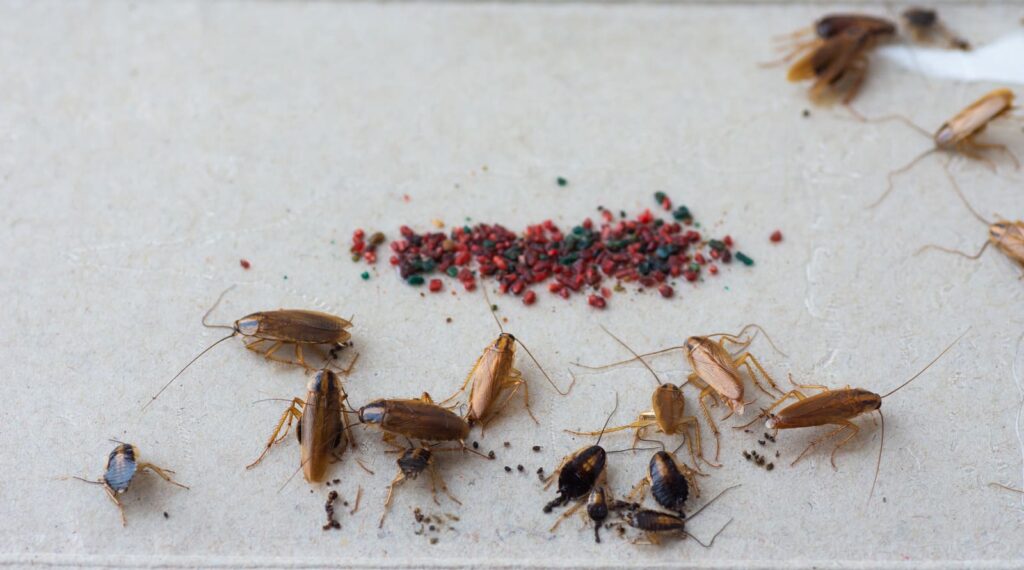
1) Food left lying around
Cockroaches can feed on almost anything.
Here are their main food sources:
- food scraps left on worktops;
- crumbs under furniture or household appliances;
- bins containing food waste;
- dog and cat food left out;
- dirty washing-up left in the sink for several hours.
2) Moisture
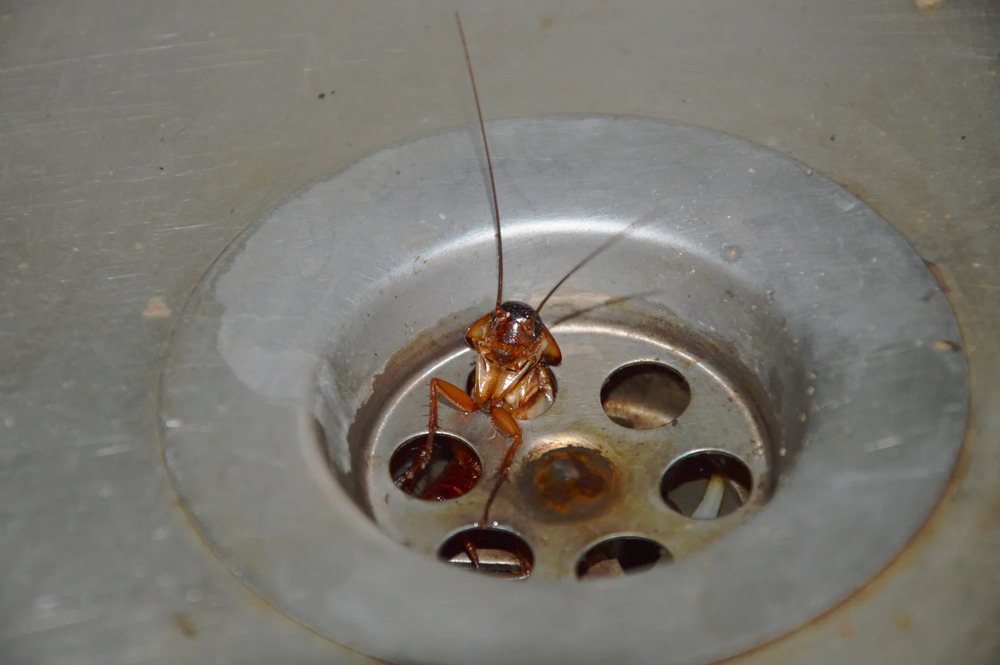
Cockroaches also need water to survive. They love damp areas of the house such as the bathroom, the kitchen, the pipes, under the sink, etc.
Even a small leak or recurring condensation can be enough to sustain a colony.
3) Heat
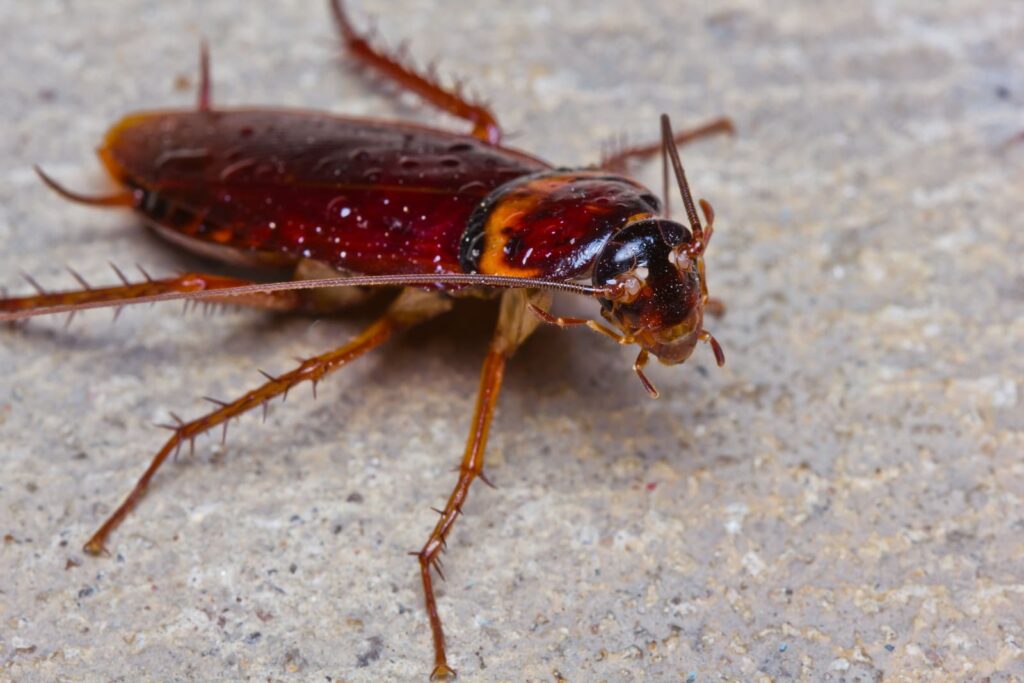
Heat accelerates their development and encourages them to reproduce.
This is why they often hide:
- behind household appliances;
- near fridge motors;
- under or behind ovens;
- near electrical appliances that give off heat.
These areas have everything cockroaches love: they are dark, hard to reach and rarely cleaned.
How do cockroaches get into your home?
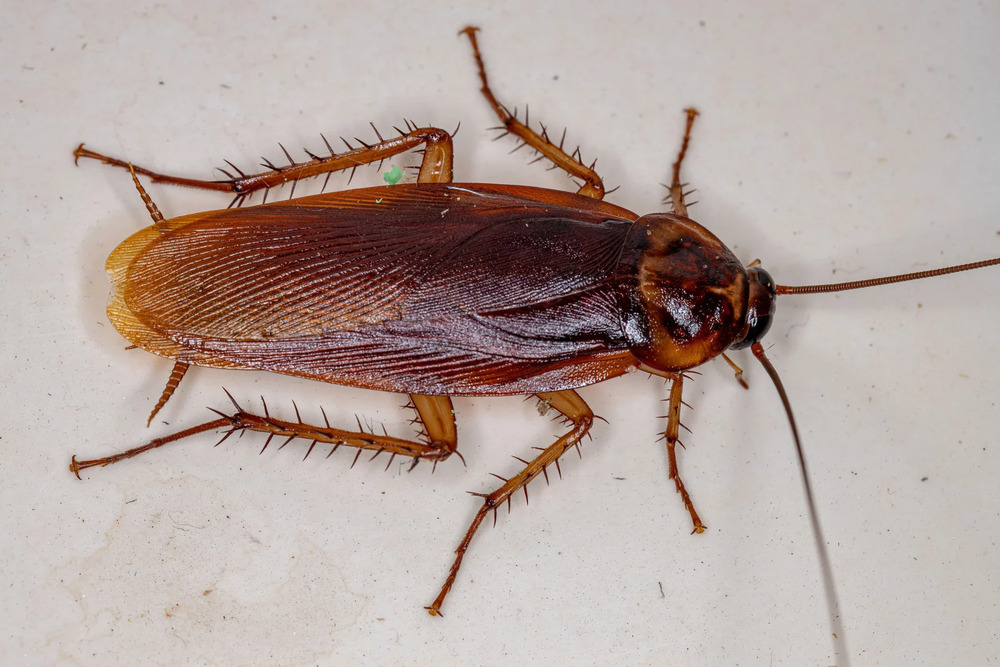
Cockroaches can squeeze through extremely small openings. Even if your home is clean, they can come in from outside or from a neighbouring property.
Their main entry points are:
- cracks in walls or skirting boards;
- service ducts;
- pipes;
- windows and doors that aren’t properly sealed;
- communal areas of a building affected by infestation.
In flats, cockroaches frequently move from one flat to another via ducts and service ducts.
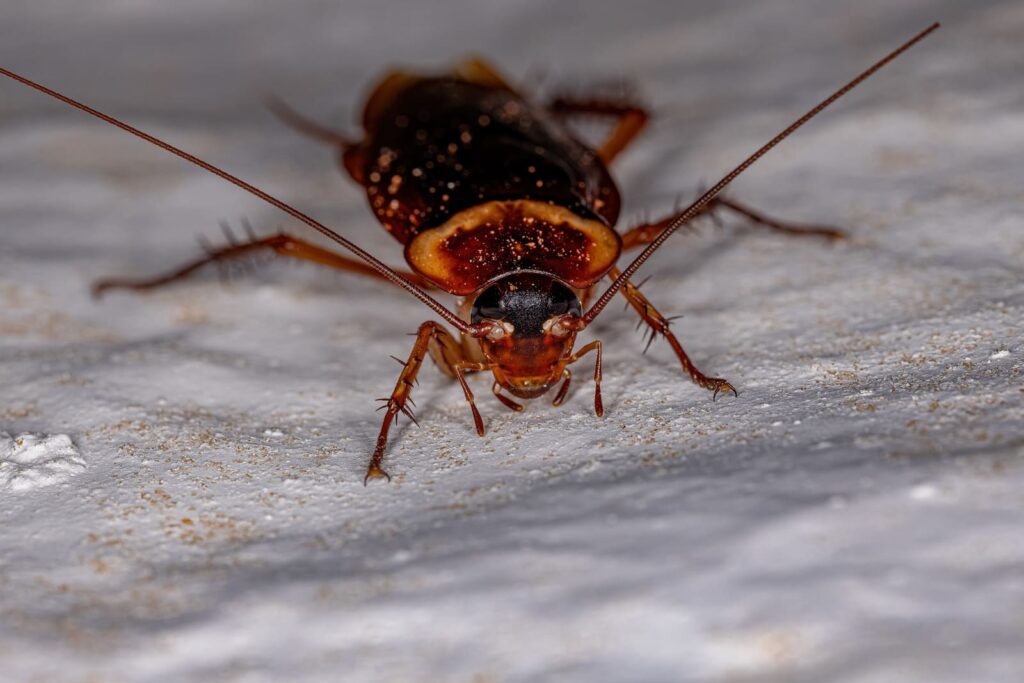
Cockroaches are mainly active at night. If you spot a cockroach in broad daylight, it is highly likely that the colony is already large and that the cockroaches are running out of hiding places.
Should you squash a cockroach?
No! Squashing a cockroach can make the infestation worse for several reasons: 👉 If you spot a cockroach, the most important thing is not to get rid of that individual, but to identify where the colony is hiding.
- Spread of bacteria and allergens contained in the insect’s body and on its legs.
- Unpleasant odour
- Potential dispersal of eggs in some female carriers. The eggs are resilient and can hatch even after the mother has died.
- Attraction of other cockroaches, drawn by the substances and odours left behind
What to do before any treatment
Before using a gel, trap or insecticide, you must first prepare your home so that the subsequent cockroach treatment is effective.
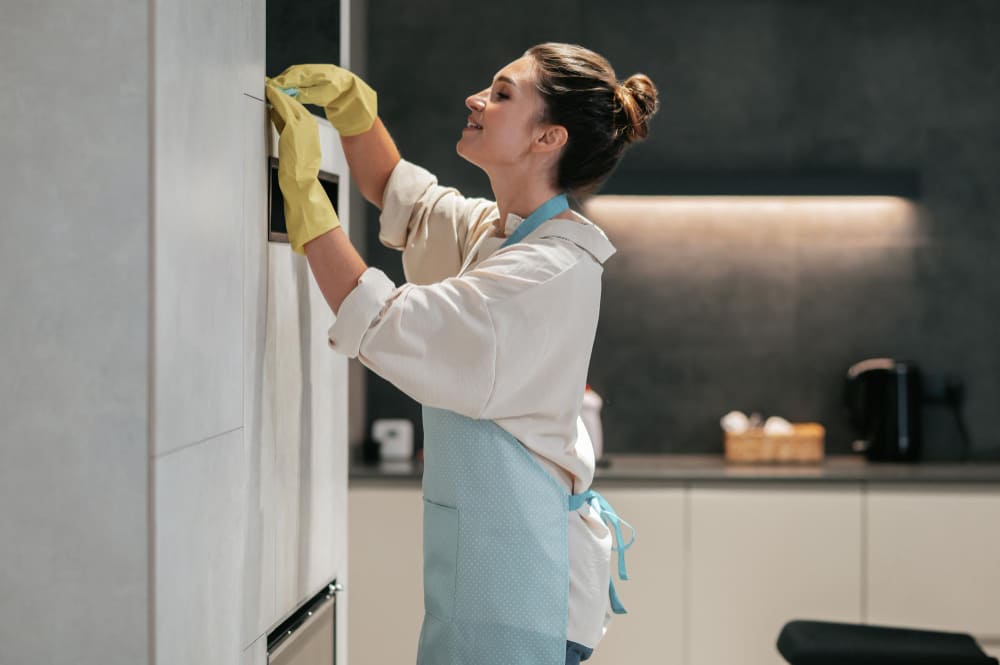
Step 1: Clean to remove food sources
Focus primarily on the kitchen and areas where you eat:
- vacuum regularly to remove crumbs;
- mop the floors;
- use a detergent or cleaning product on worktops;
- empty and clean bins frequently;
- do not leave dirty washing-up in the sink overnight.
Once you have finished cleaning, you can also use a disinfectant to eliminate odours that attract cockroaches.
Step 2: Tackling damp
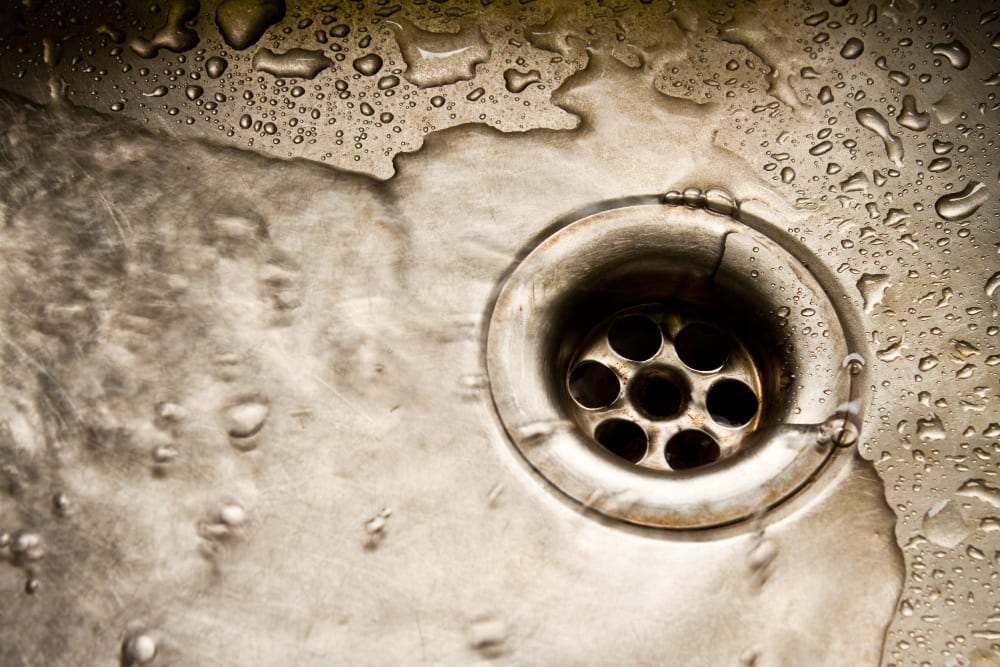
Be aware that just a few drops of water can be enough to sustain a colony of cockroaches.
To tackle damp:
- wipe down sinks, washbasins and worktops after use;
- repair water leaks promptly;
- check the seals around pipes;
- empty plant saucers when water accumulates in them.
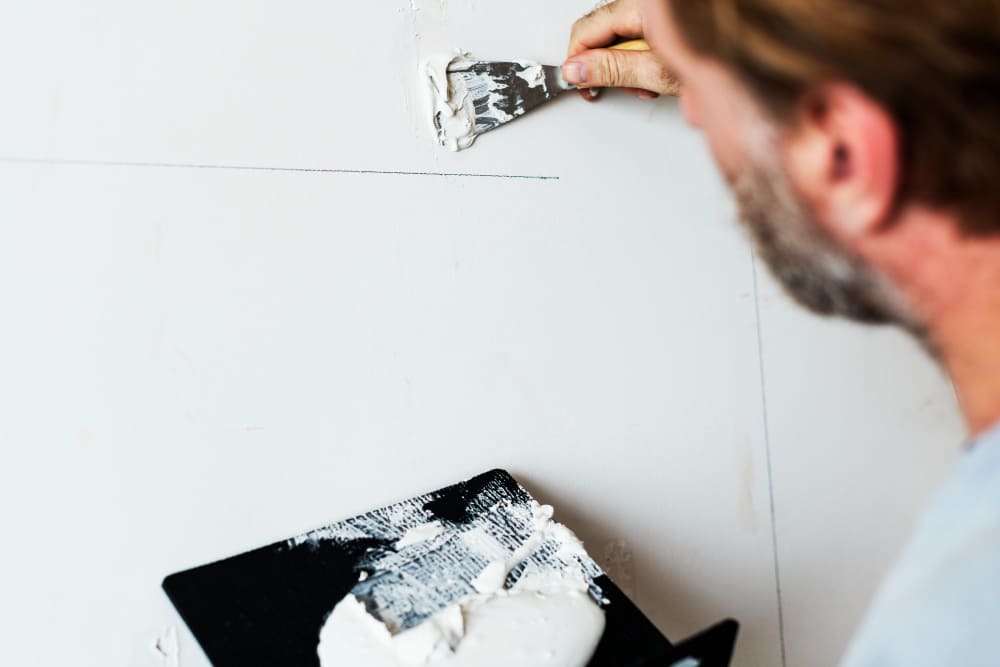
Step 3: Seal off entry points
You can use sealant or filler to seal:
- cracks in the walls;
- gaps under skirting boards;
- pipe penetrations;
- holes around service ducts.
The most common hiding places are:
- behind household appliances;
- under kitchen units;
- in false ceilings;
- in service ducts and conduits.
👉 These are also the places where you should place gels, baits or traps during treatment.
Should you squash a cockroach?
No! Squashing a cockroach can make the infestation worse for several reasons:
- Spread of bacteria and allergens contained in the insect’s body and on its legs.
- Unpleasant smell.
- Potential dispersal of eggs in some female carriers. The eggs are resilient and can hatch even after the mother has died.
- Attraction of other cockroaches, drawn by the substances and odours left behind.
👉 If you spot a cockroach, the most important thing isn’t to get rid of that particular one, but to find out where the colony is hiding.
Comparison of cockroach control products
| Solution | Effectiveness | Prompt action | Is the nest being treated? |
| Anti-cockroach gel | ⭐⭐⭐ | ⭐⭐ Average (a few days) | ✅ Yes, thanks to the contamination of the colony |
| Cockroach bait | ⭐⭐⭐ | ⭐⭐ Average | ✅ Yes, to some extent, depending on the infestation |
| Sticky trap | ⭐ | ⭐⭐⭐ Fast | ❌ No |
| Anti-cockroach spray / insecticide | ⭐⭐ | ⭐⭐⭐Immediate | ❌ No |
| Cockroach spray | ⭐⭐ | ⭐⭐⭐ Fast | ❌ No |
| Anti-cockroach smoke bomb | ⭐⭐⭐ | ⭐⭐⭐ Rapide | ⚠️ Partially, but rarely across the whole colony |
| Diatomaceous earth | ⭐⭐ | ⭐ Slow | ❌ No |
| Boric acid | ⭐⭐⭐ | ⭐ Slow | ⚠️ May affect part of the colony |
| Professional pest control | ⭐⭐⭐ | ⭐⭐⭐Rapide | ✅ Yes, the main aim of the treatment |
Which cockroach control products are really effective?
It’s time to start the treatment. Bear in mind that not all cockroach control products are equally effective. Some simply kill the visible insects, whilst others target the colony and the nest directly.
Anti-cockroach gel
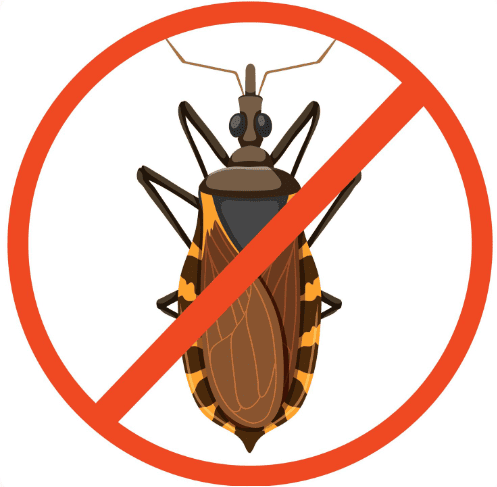
Anti-cockroach gel is considered one of the most effective treatments for cockroaches. It contains a food bait mixed with an insecticide.
The advantage of the gel is that it does not kill the insect immediately. The infected cockroach will continue to move about the colony and infect other individuals through contact, via their droppings or after they die.
Good to know: This chain reaction allows the product to reach parts of the nest, which explains why gels are often more effective than conventional sprays.
Among the products most sought after by private individuals are Blantor gel and Goliath Cockroach. As with all anti-cockroach gels, their effectiveness depends primarily on applying them to the right areas and on the severity of the infestation.
Cockroach baits
Baits work on the same principle as gels: they attract cockroaches with a food source containing an insecticide. They come in the form of small boxes or ready-to-use stations.
Baits are useful for minor infestations or as a complement to another treatment.
Insecticide sprays or cockroach spray cans
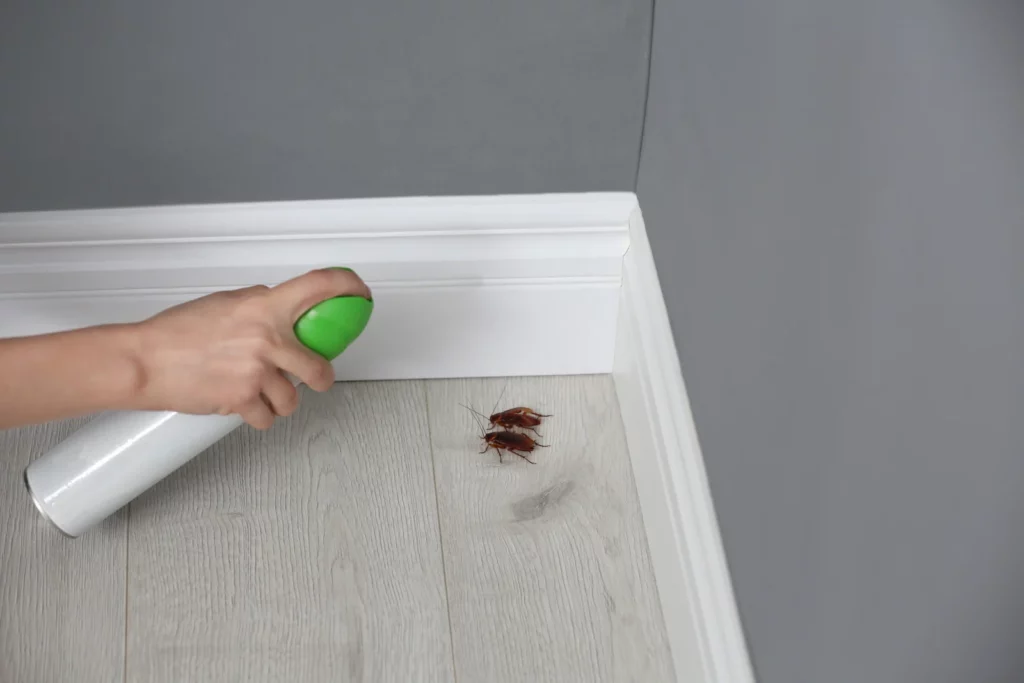
Cockroach sprays such as Baygon Cockroach or Sniper Cockroach have the advantage of working quickly. If you aim correctly at the insect, it dies within a few minutes.
The downside is that you are only treating a few visible individuals, not the colony.
These products can be harmful to your health, so please make sure you ventilate your flat or house thoroughly after use.
Pest control professionals use products that are more effective than those available in shops.
Cockroach fumigants
The cockroach fumigant releases an insecticide in the form of smoke or mist throughout the room. It reaches hard-to-access areas that cannot be treated manually.
However, this type of product mainly affects insects exposed to it at the time of treatment. Eggs and some individuals well hidden in walls, ducts or pipes may survive.
The fumigant is therefore often used as a shock treatment or in conjunction with an anti-cockroach gel, but it is rarely sufficient to eliminate an infestation on its own.
Please note: before using a smoke bomb, you must leave the property for the duration specified by the manufacturer and ensure that the rooms are well ventilated after treatment.
Cockroach traps
1) Sticky traps
They have an adhesive surface that traps cockroaches when they walk over them.
👉 They are mainly used to monitor the infestation:
- confirm the presence of cockroaches;
- assess the extent of the problem;
- identify the most frequently used pathways.
To be effective, they must be placed in strategic locations such as behind appliances, under furniture, along skirting boards and near pipes.
👉 In short, they are effective detection tools, but they only weed out those who fall into the trap.
Pest control professionals use products that are more effective than those available in shops.
2) Bait traps
Bait traps contain a food substance that attracts cockroaches.
Once the bait has been eaten, the insect is poisoned and returns to its hiding place.
The advantage is that the effect lasts for several weeks. They are often used in conjunction with an anti-cockroach gel or another treatment.
3) Homemade traps
There are plenty of tips online for making a homemade cockroach trap using a bottle, a jar, etc. These solutions may sometimes catch a few cockroaches, but they do nothing to tackle the source of the infestation.
Are traps enough to get rid of cockroaches?
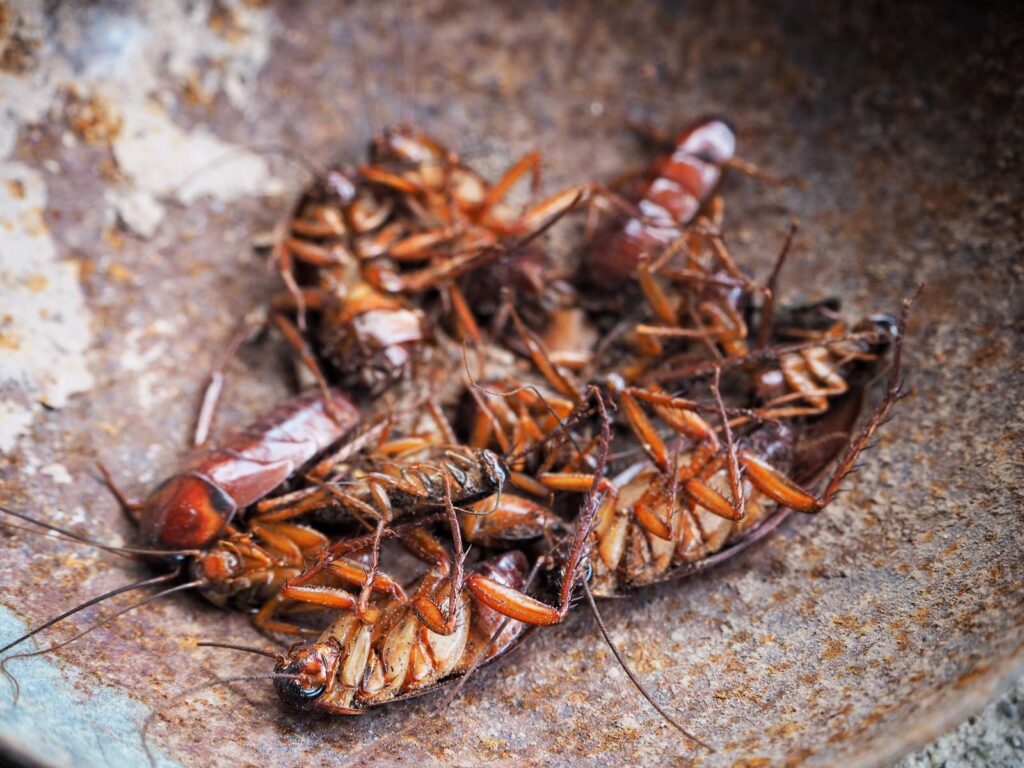
In most cases, no. Traps can capture or poison individual cockroaches, but they rarely eliminate the entire colony or the nest, which may harbour dozens or even hundreds of cockroaches.
Natural treatments for cockroaches
Some “old wives’ remedies” can be useful as a complement to a treatment or when the infestation is still limited. Be careful, however: once a colony is well established, these natural solutions are of limited use and will not eradicate the nest.
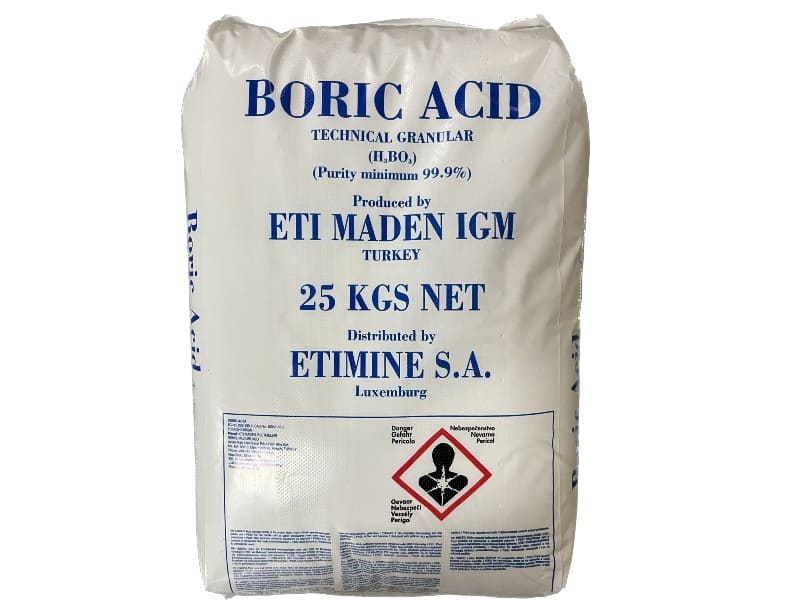
Boric acid
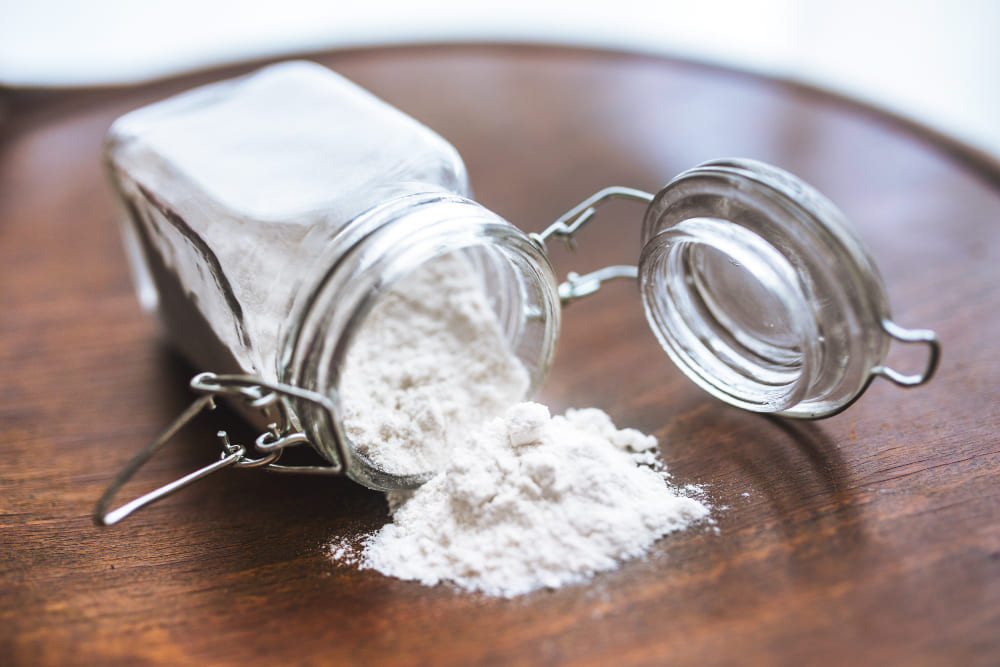
Boric acid is a very fine white powder that resembles icing sugar or flour. It is used to create fine barriers that cockroaches walk through.
When a cockroach comes into contact with the powder or ingests it, it gradually affects its system until it causes death. Please note, however:
- it must be kept out of reach of children;
- it can be dangerous to pets;
- it must be handled with care.
Diatomaceous earth powder
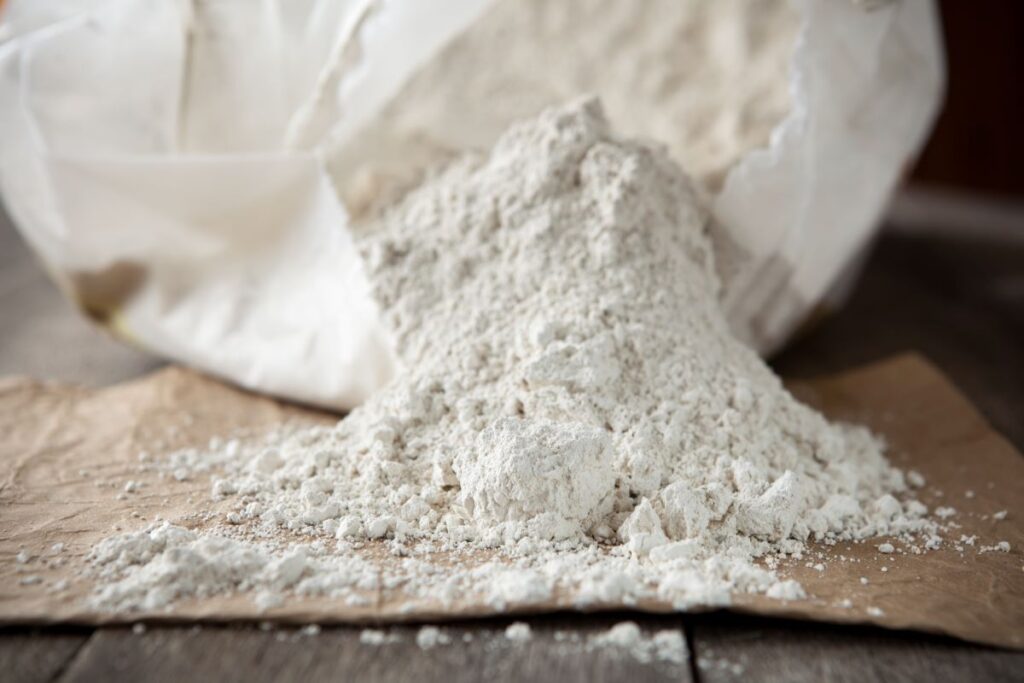
Diatomaceous earth powder is a natural mineral powder often used to control a wide range of crawling insects.
👉 It works mechanically: the microscopic particles damage the cockroach’s protective layer, causing it to gradually dehydrate.
To use it, you usually just need to sprinkle it:
- along the skirting boards;
- behind household appliances;
- under furniture;
- near high-traffic areas.
👉 Its main advantage is that it contains no chemical insecticides.
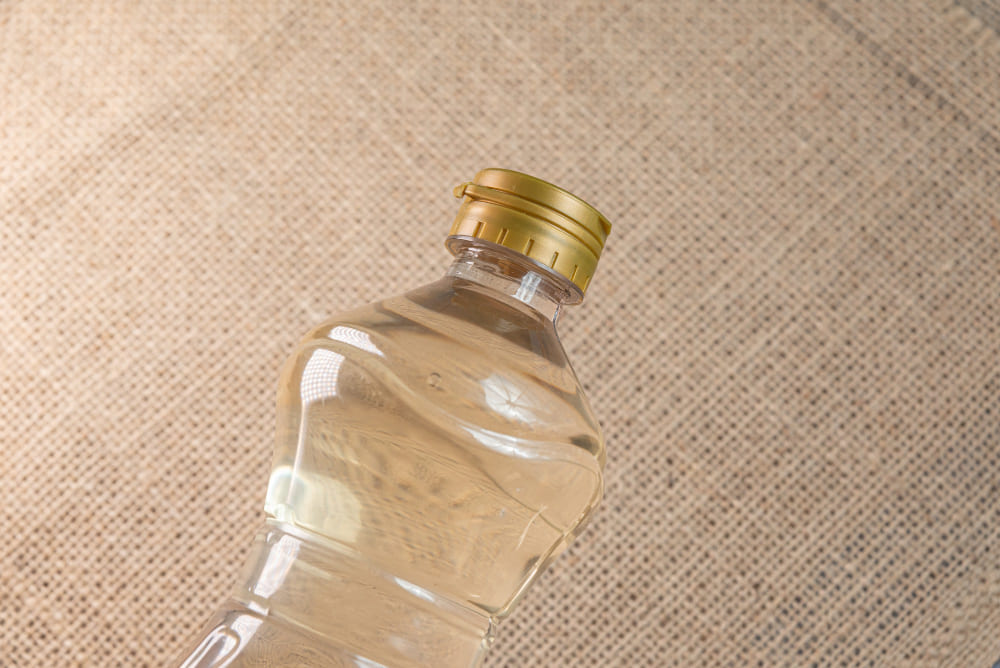
White vinegar
White vinegar is a versatile cleaning product. You can use it to scrub down surfaces, but be careful: it is not an insecticide. It cannot be used to kill a colony of cockroaches or remove a nest.
Bicarbonate of soda
Bicarbonate of soda is often touted as a good natural remedy for cockroaches. Some recipes recommend mixing it with sugar to attract the insects. However, results vary widely and its effectiveness has not been proven.
Good to know: if you want to use a natural solution, diatomaceous earth or boric acid are generally much more effective than vinegar, bicarbonate of soda or bleach.
Bleach
It is often said that you should use bleach to get rid of cockroaches. No, bleach is not a cockroach treatment. It simply helps to clean and disinfect surfaces.
It is no substitute for cockroach gel, bait, or professional treatment in the event of an infestation.
When should you call a cockroach exterminator?
In the event of a severe infestation, over-the-counter treatments are no longer sufficient.
You should call in a professional in the following situations:
- you see numerous cockroaches every day;
- the cockroaches keep returning despite several treatments;
- the infestation affects several rooms in your home;
- you live in a flat or block of flats where several properties are affected;
- cockroaches are present in a commercial kitchen or restaurant;
- you regularly find cockroaches in cupboards, behind appliances or near water sources.
What does a professional do?
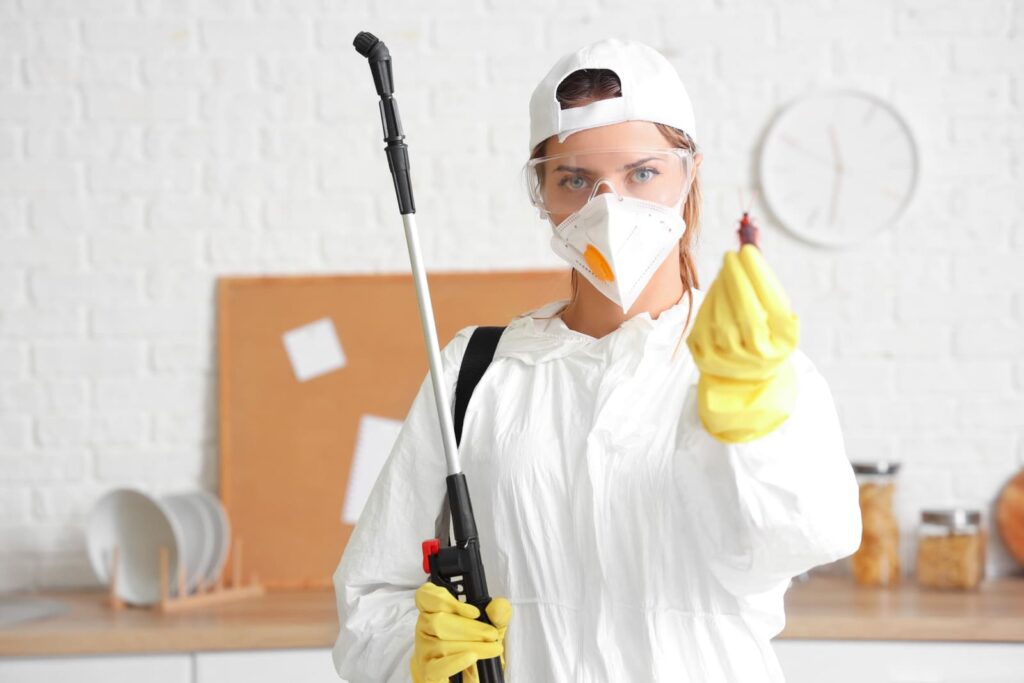
A specialist company will first carry out a thorough inspection of the property to identify the species present, the areas of infestation and the main points of entry.
The professional will then implement a tailored pest control protocol:
- application of professional gels;
- placing of bait;
- targeted treatment of areas affected by infestation;
- treatment of ducts, false ceilings or hard-to-reach areas.
In some cases, several visits may be necessary to completely eliminate the colony.
See also: The complete protocol for bed bugs.
Professional cockroach pest control treatments
| Professional treatment | Principle | Effectiveness | Who is it for? |
| Insecticide gel | Drops of gel are placed in areas where cockroaches pass through. The cockroaches consume the product and then spread it to the colony. | ⭐⭐⭐⭐⭐ Very high | Households and businesses dealing with a minor to severe infestation. |
| Liquid insecticide (spray) | An insecticide is sprayed onto skirting boards, cracks, pipe penetrations and areas of infestation. | ⭐⭐⭐⭐ Focused on visible individuals | Homes or premises where cockroaches are regularly seen. Often used in conjunction with another treatment. |
| Fumigation / misting | Dispersion of an insecticide in the form of smoke or microdroplets throughout the entire room. | ⭐⭐⭐ Medium to high | Severe infestations or hard-to-reach areas. Often used for intensive treatment. |
| Heat treatment | A controlled increase in temperature to eliminate cockroaches at all stages of development. | ⭐⭐⭐⭐ High | Specific situations where one wishes to avoid chemical insecticides. |
| Gel and insecticide combination | A combination of an anti-cockroach gel and a targeted spray to treat both visible cockroaches and the colony. | ⭐⭐⭐⭐⭐ Very high | Severe infestations, recurring infestations or heavily infested properties. |
How do you choose a pest control company?
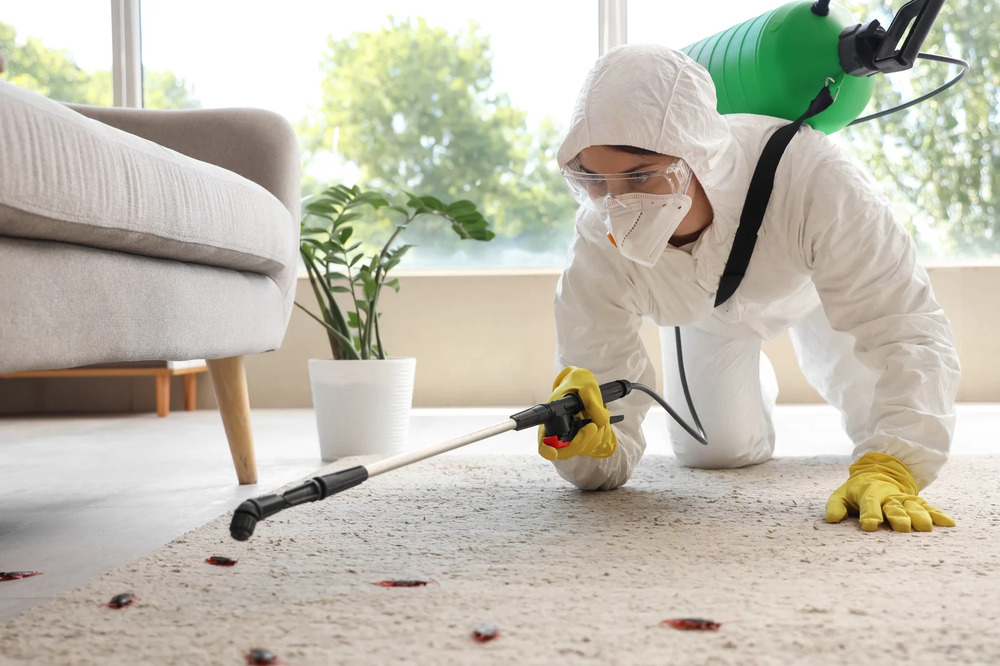
Unfortunately, scams are common in the pest control industry. Some unscrupulous companies take advantage of the urgency and panic caused by a cockroach infestation.
Be particularly wary of:
- extremely low quotes;
- promises of guaranteed eradication in a single visit;
- companies that refuse to explain their procedures in detail;
- platforms that then subcontract the work to an unknown provider.
👉 Effective treatment often requires a combination of measures and, depending on the severity of the infestation, may need to be carried out on several occasions.
Before choosing a professional, check the following:
- whether they hold a Certibiocide certificate, which is mandatory for the use of certain professional biocidal products;
- the clarity of the quote;
- any guarantees offered;
- recent customer reviews;
- the company’s experience in cockroach pest control.
👉 You can check a professional’s Certibiocide certificate
How much does cockroach pest control cost?
The price of pest control depends on several factors:
- the size of the property;
- the level of infestation;
- the number of rooms affected;
- the type of treatment used (gel, fumigation or insecticide);
- whether or not multiple visits are required.
As a guide, prices typically range between:
| Type of procedure | Average price recorded in 2026 |
| Studio flat or small room | 90 à 150 € |
| One-bedroom / two-bedroom flat | 150 à 250 € |
| Four- or five-bedroom flat | 200 à 300 € |
| Detached house | 300 à 400 € and plus |
Good to know: Call-out charges are usually between €30 and €60. Always check whether this charge is included in the final price or billed separately.
How can you stop cockroaches from coming back?
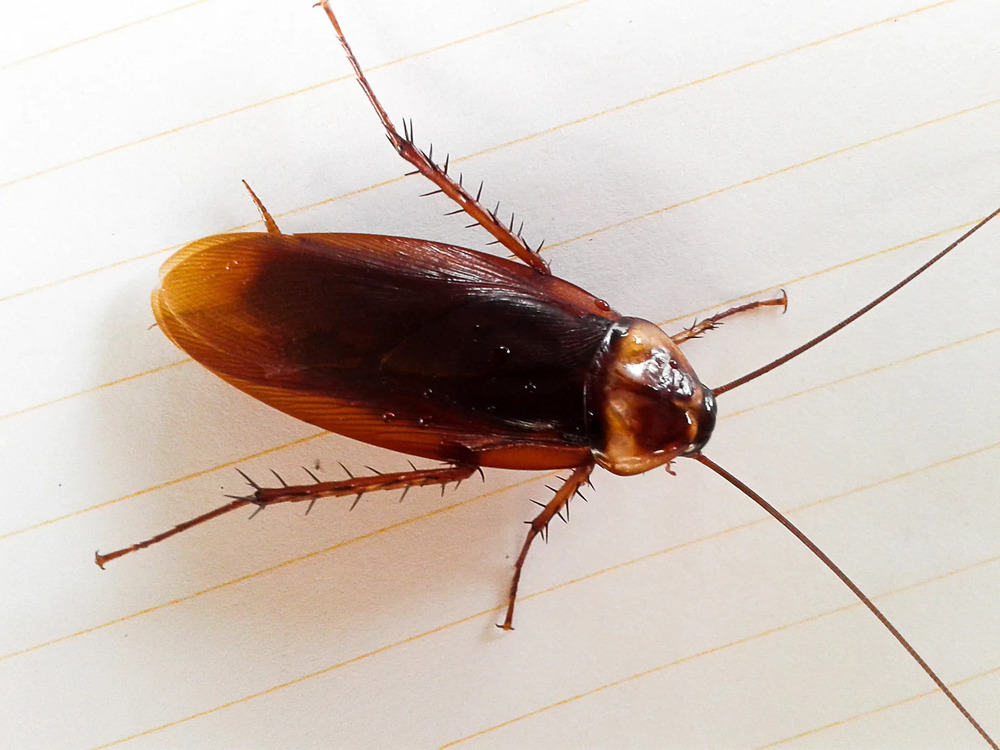
Here are some best practices to prevent a new cockroach infestation:
- Clean your home regularly, paying particular attention to crumbs and food scraps
- Dispose of your rubbish.
- Reduce damp by repairing water leaks and ensuring rooms such as the kitchen and bathroom are properly ventilated.
- Seal any cracks, pipes and other entry points that could allow them to get into your home.
- If necessary, set a few monitoring traps in strategic locations
FAQ
Where do cockroaches come from?
They can also be unintentionally brought into the home on items such as second-hand furniture.
What is the most effective product for getting rid of cockroaches?
Does bleach kill cockroaches?
What is the weak spot of cockroaches?
What is the worst enemy of cockroaches?
Why shouldn’t you kill cockroaches in the house?
How long does it take to get rid of an infestation?
Is it possible to have cockroaches in a clean house?
Even a perfectly maintained house can become infested if cockroaches find a source of water, some food scraps and warm places to hide. Good hygiene reduces the risk, but it doesn’t in itself guarantee that there won’t be any cockroaches.
Is a single cockroach a sign of an infestation?
Where do cockroaches hide during the day?
