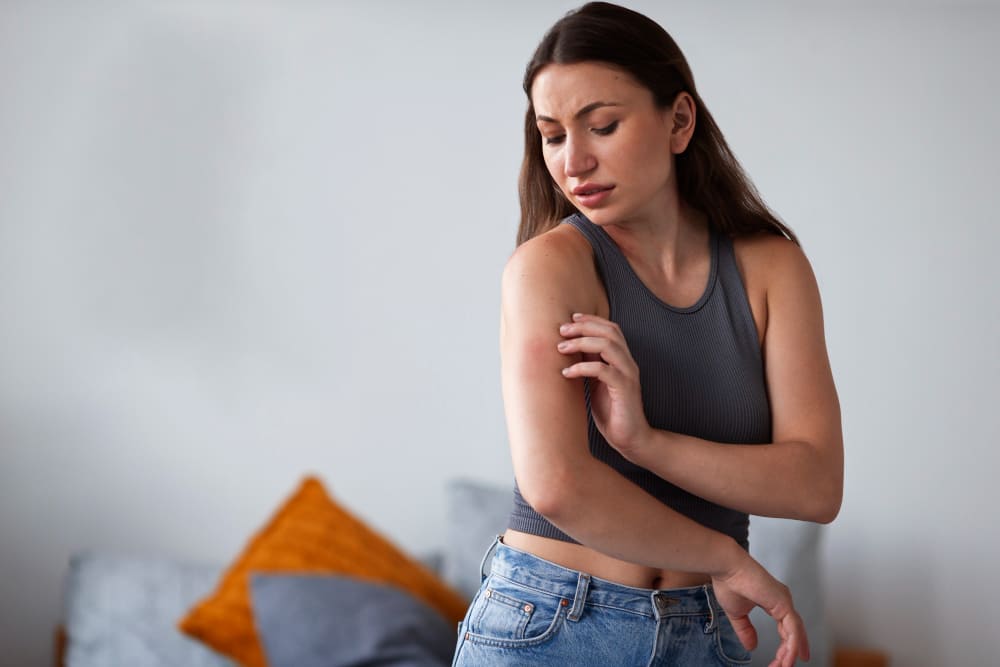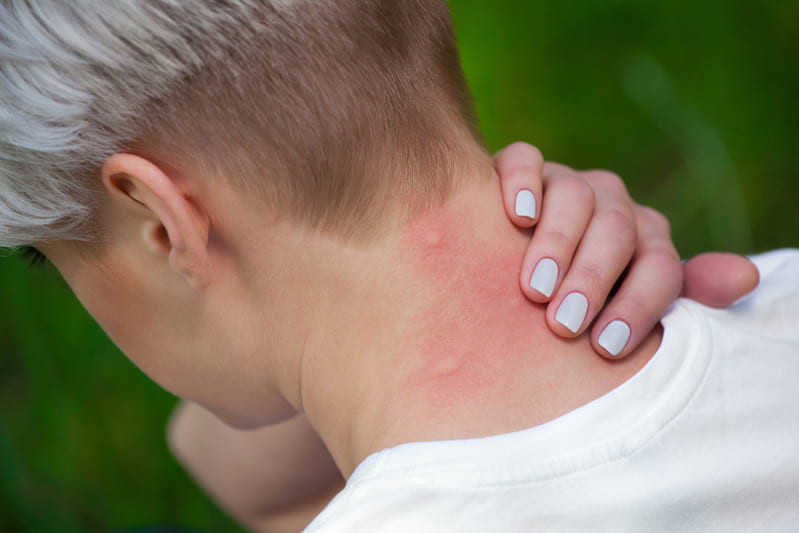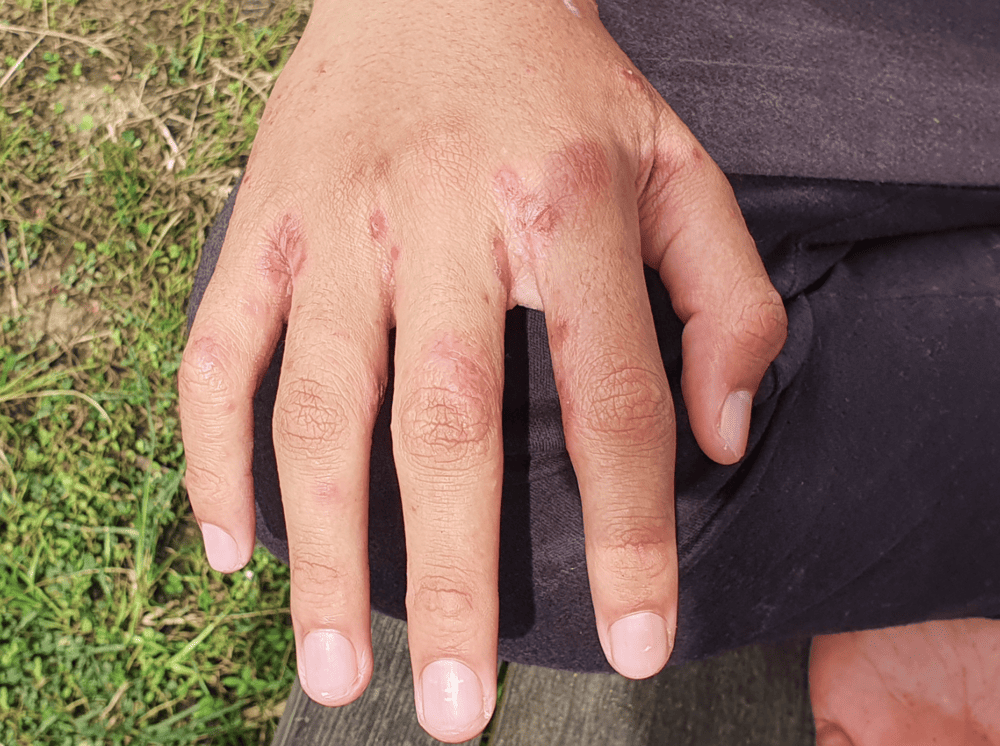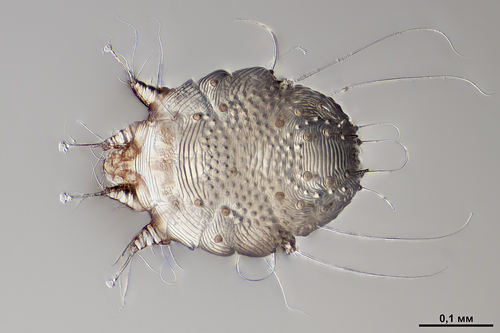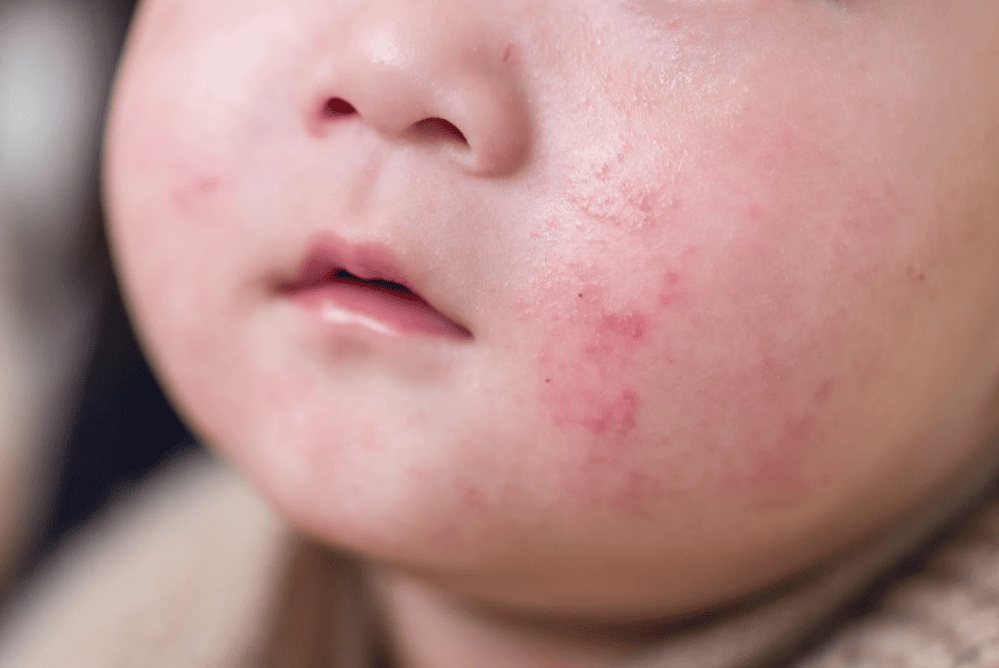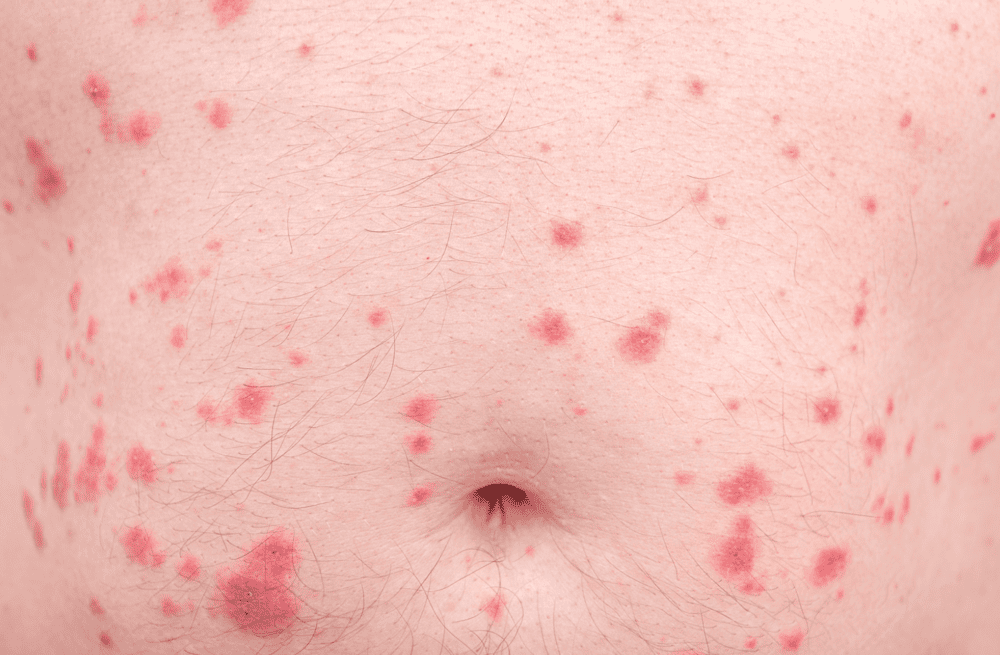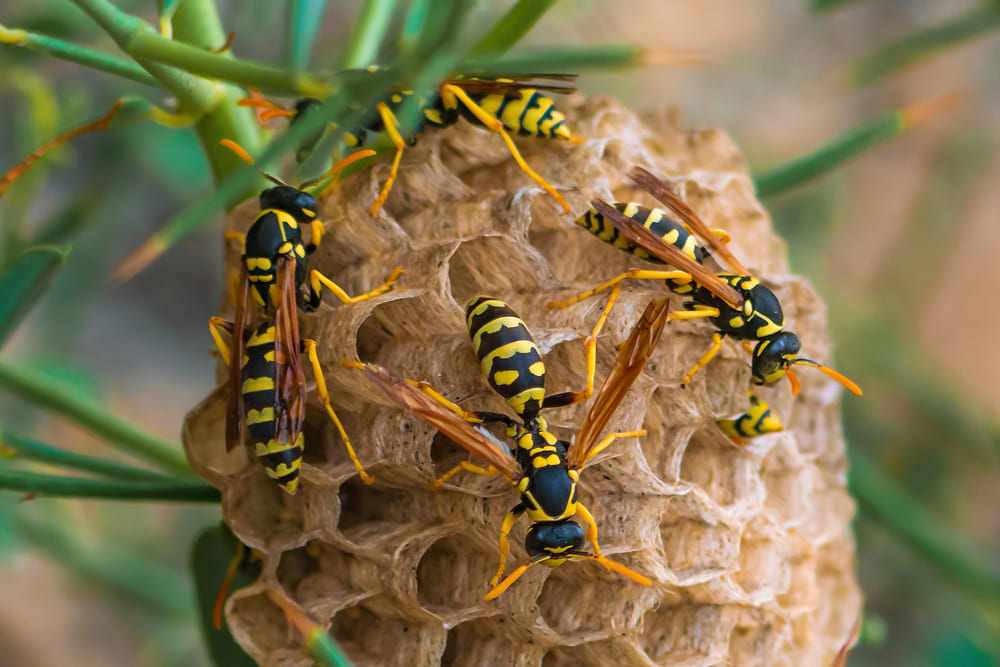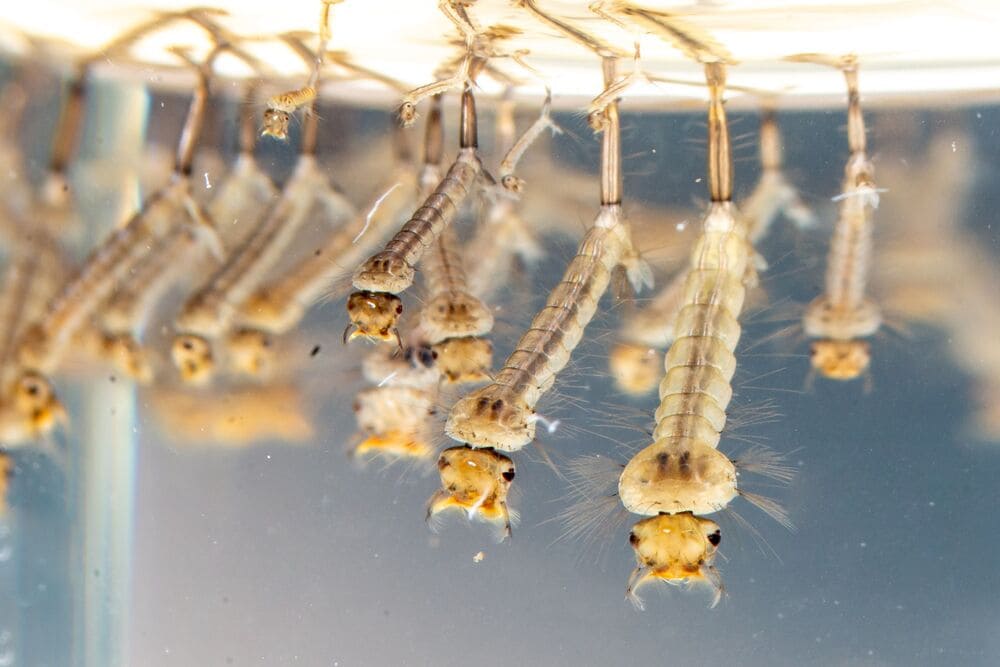
Food moths are insects that feed on our food and reproduce very quickly. An infestation can go unnoticed for several days, as the eggs and larvae hide in corners, drawers or directly in your dry food. The sooner you identify the problem, the easier it is to get rid of it.
To help you, here are our tips for quickly recognising food moths at every stage of their life cycle.
Where do food moths come from?
Contrary to popular belief, food moths (sometimes called moths) do not necessarily come from poor hygiene. They most often arrive with the food itself.
Here’s how they get into your home:
Products already infested in the shop: microscopic eggs can be found in a packet of flour, rice or cereal.
Eggs present in packaging: even if unopened, a packet may contain eggs laid during packaging.
Originating from another home: adult moths can move from one flat to another, especially in buildings with windows.
Once settled, female moths immediately look for a place to lay their eggs: they prefer dry foods (pasta, rice, flour, dried fruit, etc.), especially when stored in soft packaging that is easy to pierce.
Where do they hide?
Food moths like dry, dark places with little movement.
They are often found in:
poorly sealed jars,
cardboard or plastic packaging,
drawers,
corners and nooks of shelves,
under or behind food bags.
Do food moths build nests?
Unlike other insects, food moths do not build “nests” in the traditional sense. They do not construct organised structures, but simply lay their eggs in suitable locations.
Food moths or clothes moths?
Criteria
Food moths
Clothes moths
Where can they be found?
Kitchen cupboards, jars, packets, drawers, nooks and crannies
Cupboards, wardrobes, carpets, woollen textiles
What they eat
Dry foodstuffs: flour, pasta, rice, cereals, dried fruit
Natural textile fibres: wool, silk, feathers, fur
Appearance of the adult butterfly
Small brown or grey butterfly measuring 1 to 1.5 cm
Small golden yellow or beige butterfly measuring 0.8 to 1 cm
Appearance of larvae
Whitish, approximately 1 cm in size, present in food
White or cream, in fabrics or carpets
Signs of infestation
Silky threads in packages, moths in the kitchen, larvae in foodstuffs
Holes in clothing, fibrous dust, small cocoons on fabrics
Recognising an infestation according to the 4 stages of development
Stage 1 – Food moth eggs
Food moth eggs are very difficult to spot, even when you know there is an infestation.
What do these eggs look like?
Size: approximately 0.3 to 0.5 mm, invisible to the naked eye.
Colour: off-white to pale yellow.
Location: always deposited in contact with food, as the larvae feed immediately after hatching.
Hatching time: 4 to 7 days: heat (between 20 and 30°C) promotes faster hatching.
Most infestations are caused by eggs already present in food at the time of purchase. This is why moths can be found even in perfectly clean cupboards..
Good to know: a female butterfly can lay 200 to 300 eggs in a single batch.
Stage 2 – Food moth larvae
Food moth larvae are the most problematic stage for several reasons:
they devour your food, cereals and dried fruit
they spin webs that contaminate the entire food supply
they move out of the packets to pupate in cupboards
What do the larvae look like?
Colour: whitish to cream, sometimes slightly translucent
Size: 5 to 15 mm depending on age
Shape: elongated body, darker head
Mobility: they move slowly and squeeze into corners, folds in packages or even under poorly closed lids
Duration in larval form: 2 to 4 weeks
How can you spot them?
As they move around, the larvae leave silky threads in dry food (like small spider webs).
Stage 3 – The moth chrysalis
After the larval stage, the food moth transforms into a chrysalis. At this stage, the infestation in your kitchen is well established.
Moth larvae seek out dry, dark and undisturbed places to pupate.
They often settle in:
The corners of cupboards and shelves
The corners of drawers
Under or behind infested packages
Hinges and hard-to-reach areas
Along skirting boards or on the ceiling of the cupboard
These cocoons can remain in place for several days before the moth emerges to take its adult form..
Stage 4 – Adult food moth butterflies
The adult food moth is a brown-grey butterfly measuring approximately 1 cm. It is an insect that flies slowly and erratically. These butterflies do not eat your food, but they reproduce by laying eggs. You can usually see them around kitchen lights, window sills, open cupboards or when you lift up an infested packet.
When you see one or more adult moths, it’s time to give your kitchen a thorough clean.
What to do in case of a food moth infestation?
If you spot larvae, silky threads, moths or cocoons in your cupboards, you need to act quickly: a food moth infestation will never disappear on its own.
The priority is to remove contaminated food, clean thoroughly and then protect your food in airtight containers.
We have detailed all the steps in our comprehensive article:
Have you noticed holes in your clothes and textiles? Moths have probably taken up residence in your cupboards and drawers. It is best to act quickly, as these small butterfly-like insects can lay up to 200 eggs in their lifetime! So, how can you get rid of clothes moths quickly? How can you prevent them from coming back? Follow our advice.
Key takeaways
➡️ It is not adult moths that make holes in clothes, but their larvae. ➡️ A female clothes moth can lay up to 200 eggs in her lifetime. ➡️ Clothes moths love dark, dry places that are undisturbed. ➡️ ️ The first signs of infestation are: irregular holes, small whitish larvae, cocoons, fibrous dust, or moths flying around when you open the wardrobe. ➡️ To get rid of moths, you need to treat the fabrics, clean the entire wardrobe thoroughly, and then install natural repellents or pheromone traps.
Clothes moths, also known as textile moths (Tineola bisselliella), are small pests that attack natural fibres directly.
A four-stage life cycle
1. Eggs
Females lay up to 200 eggs directly on textiles or in the corners of wardrobes. The eggs are tiny and invisible to the naked eye.
2. Larvae
It is the larvae that hatch from the eggs that make holes in your clothes. They feed on keratin, a protein found in:
wool,
untreated cotton,
silk,
cashmere,
feathers and fur.
They then dig the famous moth holes in clothes, throws, carpets or blankets. Clothes that have been stored for a long time without being washed or protected are the first to be affected.
3. Pupae
The larvae wrap themselves in a cocoon to transform. These cocoons are sometimes visible in the folds or corners of furniture. Generally, these chrysalises are found in dark places such as cupboards, drawers or under carpets.
4. Adult moths
Adult moths have a short lifespan. Their only role is to lay eggs, not to eat textiles.
Good to know: clothes moths can withstand high temperatures of up to 35°C.
Where do clothes moths hide?
Clothes moths prefer places that are:
dry and dark,
warm,
undisturbed.
They are mainly found in:
chests or trunks that are rarely opened.
cupboards,
drawers,
corners of wardrobes,
wardrobes,
non-airtight storage boxes,
chests or trunks that are rarely opened.
Why do clothes moths move into your home?
1. You bring contaminated textiles into your home
Clothes moths can easily find their way into your home via:
Clothes bought in second-hand shops or flea markets, not washed before storage.
Textiles that have been stored in the attic or basement for a long time.
Rugs, throws, blankets or cushions picked up from a friend or relative.
Textile items stored in boxes, which may harbour larvae.
➡️ In 80% of cases, it is the larvae already present in the fibres that trigger the infestation.
2. Your textiles are not being cared for properly
Poorly washed linen, dust, dirty clothes and a lack of ventilation are all factors that encourage the development of mite larvae.
Good to know: Larvae are particularly fond of textiles containing traces of perspiration, sebum, food residues and body odours.
Mistakes that encourage moth infestation
❌ Leaving dirty clothes in a basket.
❌ Keeping textiles in the dark for long periods of time.
❌ Storing fabrics in cardboard bags.
❌ Never airing out cupboards.
❌ Leaving clothes in corners or closed drawers for several months.
5 steps to permanently get rid of clothes moths
Step 1: Treat textiles
If the fabric allows it, wash your clothes in the washing machine at 60°C.
The heat will destroy the larvae, mouthparts and eggs hidden in the fibres.
Instructions:
Wash your infested clothes at a minimum temperature of 60°C (excluding wool).
Then dry them in the tumble dryer at a high temperature for 30 minutes to complete the treatment.
Iron if possible: the heat from the iron helps to eliminate any remaining larvae in the folds.
For wool, cashmere, silk or any delicate fabrics, opt for freezing.
Instructions for use:
Place the garment in an airtight bag.
Freeze at -20°C for at least 72 hours.
Allow to return to room temperature without opening the bag to prevent condensation in the fibres.
Step 2: Clean the wardrobe
After treating your clothes, you need to clean cupboards, wardrobes and drawers, as clothes moths like to hide in corners to lay their eggs and pupate. Without this step, the infestation may return.
Using the nozzle attachment on your vacuum cleaner, start by thoroughly vacuuming every nook and cranny: drawer corners, hinges, under shelves, cracks in the wood, etc.
Then throw the bag away in an outside bin.
Final step: clean with white vinegar.
Mix 50% hot water + 50% white vinegar.
Clean all surfaces of the wardrobe: walls, shelves, drawers, uprights, hinges.
Pay particular attention to corners and areas where dust accumulates.
Good to know: vinegar removes odours and pheromones that attract moths.
Step 3: Use natural repellents
Once your clothes have been treated and your cupboards cleaned, the next step is to prevent clothes moths from returning.
Here are some natural “old wives” remedies’ that work.
1. Cloves
The strong smell of cloves repels moths.
How to use them:
Place a small handful of cloves in a piece of gauze, a cotton bag or muslin.
Place several of these in your cupboards, drawers, suitcases and dark corners.
⚠️ Avoid direct contact with delicate fabrics, as the cloves can leave a lingering odour.
2. Red cedar balls
Red cedar gives off a woody scent that moths hate.
How to use them:
Lightly sand the surface of the wood every 2–3 months to reactivate its scent.
How to use them:
Place a few drops on a cotton ball, porous pebble, or small wooden disc.
Place them in cupboards or drawers, without direct contact with your textiles.
Repeat every 2 to 3 weeks.
⚠️ Never apply essential oil directly to your clothes, as the stains are irreversible!
3. Repellent essential oils
Certain essential oils are very effective as natural repellents:
True lavender
Peppermint
Eucalyptus radiata
How to use them:
Place a few drops on a cotton pad, porous pebble or small wooden disc.
Place them in cupboards or drawers, without direct contact with your fabrics.
Repeat every 2 to 3 weeks.
⚠️ Never apply essential oil directly to your clothes, as the stains are irreversible!
4. Lavender and thyme sachets
Dried lavender and thyme give off a scent that moths do not like.
How to use them:
Place lavender or thyme sachets in drawers, between stacks of laundry or on shelves.
Replace them every 2 to 3 months to maintain the scent.
5. Pieces of Marseille soap
Marseille soap is a traditional repellent that is very effective against clothes moths.
How to do it:
Cut a few pieces of dry soap.
Place them in your wardrobes and drawers.
Avoid direct contact with wool or silk to prevent the scent from becoming too strong.
Step 4: Use pheromone traps and trichogramma wasps
Pheromone traps
Pheromone moth traps attract male moths with a synthetic scent that mimics the sex pheromones of females. The male sticks to the adhesive surface and cannot fly away.
This method has the advantage of being insecticide-free and effectively regulates moth reproduction.
Trichogramma wasps
Trichogramma wasps are tiny microscopic insects, completely harmless to humans, which parasitise moth eggs.
They prevent the larvae, which are responsible for holes in clothing, from hatching.
They disappear naturally after about ten days once the eggs have been consumed.
Trichogramma wasps are often sold in the form of small cards to hang up, which should be replaced every 2 to 3 weeks. You can place them near areas where moths lay their eggs: seams, corners, under shelves.
This 100% natural, insecticide-free method is highly effective in stopping an infestation at an early stage.
Step 5: Store your clothes properly
Clothes moths love cupboards and drawers, but they cannot get into a truly airtight container.
Here are the most effective solutions:
Mothproof zippered covers
These covers are ideal for protecting delicate or rarely used garments: woollen coats, cashmere jumpers, suits, winter clothes, etc.
They prevent moths and their larvae from accessing the fabric fibres while also protecting against dust and moisture.
➡️ Practical tip: Place a lavender sachet or a small cedar ball inside, ensuring it does not come into direct contact with the garment.
Airtight boxes
These are perfect for long-term storage or delicate fabrics (wool, silk, alpaca, cashmere). Choose thick plastic boxes with silicone seals.
Tips for preventing clothes moth infestation
✅ Air out your wardrobes once a week.
✅ Wash clothes before storing them.
✅ Place natural repellents in cupboards.
✅ Store clothes in covers.
✅ Avoid stagnant humidity.
✅ Regularly inspect textiles that are rarely worn.
FAQ
Are clothes moths dangerous?
No, clothes moths pose no danger to human health: they do not sting, bite or transmit any diseases. The real problem is their larvae, which feed on natural fibres (wool, silk, cashmere, feathers, etc.) and can cause significant damage to your wardrobes. They are therefore harmful to your clothes, but not to your health.
How can I tell if the holes in my clothes are caused by moths?
Here are some clues that confirm that you are dealing with clothes moths: – Irregular holes in clothing, often clustered in an inconspicuous area. – Fibrous dust left behind by larvae as they nibble on fabric.
How long does a clothes moth live?
Lifespan depends on the environment and temperature, but it is estimated that adult butterflies live for 1 to 2 weeks, just long enough to reproduce.
Do moths attack clean clothes?
Yes, clean clothes can be attacked if: – they contain tiny traces of perspiration, – perfume residues, sebum or dead skin cells, – or if they are made of animal fibres (wool, silk, alpaca, cashmere, etc.).
Have food moths invaded your kitchen? These pesky little moths love to hide in our cupboards in search of food. How can you recognise a moth infestation and, more importantly, how can you get rid of them for good? Follow our advice.
Step 1: Empty all infested cupboards and drawers
Start by emptying your cupboards and drawers completely, even if the infestation seems to be limited to a single packet. Food moths move quickly, lay their eggs in corners, and their larvae can hide in unexpected places.
Inspect each food item one by one.
Do not hesitate to throw away any suspicious food, especially dry goods that moths love:
pasta
rice
flour
cereals
seeds and oilseeds
dried fruit
semolina
breadcrumbs
biscuits, cakes, chocolate
Good to know: even a sealed package can be infested. Packaging can be contaminated during the manufacturing process.
Before throwing away infested food, place it in a sealed bag and put it directly into the outside bin. This will prevent moths or larvae from escaping and re-colonising the kitchen.
Step 2 – Clean thoroughly
Once your cupboards are empty, it’s time to clean. The aim is to eliminate eggs, larvae, pupae and moths.
Vacuum every nook and cranny
Use the narrow nozzle of the vacuum cleaner to clean:
hinges,
cupboard corners,
drawer runners,
shelf fixing holes,
silicone seals.
⚠️ Important:
Immediately dispose of the vacuum cleaner bag in a sealed bag and then in the outside bin to prevent re-infestation.
Wash surfaces with hot soapy water and then white vinegar
Use hot water + a few drops of washing-up liquid, then rinse. Leave to dry completely before applying white vinegar.
White vinegar is THE product to have in your kitchen. It cleans, eliminates odours and repels moths thanks to its acidic smell.
How to use it:
Mix 50% hot water + 50% white vinegar.
Soak a sponge or cloth.
Clean all surfaces: shelves, walls, undersides and tops of boards.
Step 3 – Apply a natural repellent
Once the cupboards are dry, you can add natural repellents:
bay leaves,
cloves,
lavender or mint sachets,
a few drops of true lavender essential oil on a cotton pad (avoid direct contact with skin and eyes).
These scents are known to repel food moths.
Step 4 – Freeze certain products
Freezing allows you to:
kill any larvae still present,
destroy eggs before they hatch,
make food safe before putting it back in your cupboards.
If necessary, you can freeze all dry goods that tolerate cold temperatures well: cereals, seeds, almonds, nuts and other dried fruits, etc.
Place them in your freezer for at least 48 hours. Allow them to return to room temperature without opening the bag to prevent condensation. Then transfer the food to an airtight glass jar before storing it in your cupboards.
Step 5 – Store in airtight containers
Be careful, food moths are capable of piercing certain types of packaging, infiltrating tiny nooks and crannies, and even getting into sealed packages. Therefore, nothing can replace airtight containers.
Which containers should you choose?
✅ Glass jars with mechanical closures
✅ Food-grade plastic boxes with silicone seals
✅ Airtight metal containers (tea, semolina, flour)
How can you recognise a food moth infestation?
Food moths are pests that feed on our food supplies and reproduce very quickly. An infestation often starts discreetly, then spreads to all the cupboards, drawers and kitchen cabinets.
Here’s how to identify them quickly.
Presence of larvae
It is the larvae of food moths that are responsible for contaminating food.
They can be recognised by:
their whitish or cream colour, sometimes slightly translucent,
their small size (10 to 15 mm),
their slow movement in packets, jars or corners of furniture,
the presence of silky threads (webs) in food: flour, pasta, muesli, dried fruit, rice, etc.
They love to lay their eggs in dry foods and can squeeze through even the thinnest packaging.
Good to know: you can also purchase contaminated batches directly in shops.
Grey moths in the kitchen
Adult moths resemble small brown-grey moths measuring approximately 1 cm.
You may see them:
flying around lights in the evening,
resting on cupboard walls,
coming out of infested packages when they are moved.
They will readily enter poorly sealed jars, attracted by the smell of cereals and other starchy foods.
How long does it take to get rid of food moths?
It often takes3 to 4 weeks to permanently solve the problem. Even after a thorough cleaning, a single egg or larva is enough to restart the cycle.
For your information, a food moth goes through four stages:
1. Egg
Deposited on foodstuffs or at the bottom of packages.
➡️ Hatching: 3 to 7 days depending on the temperature.
2. Larva
It feeds and burrows tunnels in the food.
➡️ Duration: 2 to 4 weeks on average.
3. Chrysalis
The larva hides in a corner of the ceiling, cupboard, behind a package or in a crack.
➡️Metamorphosis into a pupa: 4 to 10 days.
4. Adult moth
Males fly, females lay up to 300 eggs in a few days.
Natural solutions against moths
Natural method
What moths dislike
How to use it
Repellent odours
Lavender, mint, eucalyptus, cloves, bay leaves
Place sachets, small dried bouquets or bay leaves in cupboards, drawers and corners.
Essential oils for moth repellent
True lavender, peppermint, eucalyptus, lemongrass
Place 2-3 drops on a cotton pad, diffuser or absorbent paper and place in cupboards or wardrobes.
Repellent plants and spices
Laurel, cloves
Place a few bay leaves in closed jars and cupboards; arrange cloves in a small dish.
White vinegar
Very unpleasant acidic odour for moths
Clean the shelves with a mixture of white vinegar and water, possibly combined with 1 drop of essential oil.
Install pheromone traps to monitor and detect the first male moths.
Use natural repellents (bay leaves, cloves, lavender or mint essential oils).
Clean up crumbs immediately and avoid leaving open packets in cupboards.
FAQ
Do moths get into jars?
No, food moths cannot enter a truly airtight jar (glass + rubber seal + tightly closed lid). However: – they can lay eggs on the lid, – they can infest a jar that is not closed properly, – they may already be present in the food (eggs laid in the factory or during transport).
What is the smell that moths dislike?
Food moths are sensitive to strong, aromatic odours. They particularly dislike: – Lavender – Peppermint – Eucalyptus – Cloves – Bay leaves
These odours act as repellents, but do not eliminate an infestation.
Are food moths dangerous to health?
No, food moths are not dangerous to human health. They do not bite, transmit diseases or contaminate the ambient air.
Is it dangerous to consume products contaminated by moths?
Some people may be allergic to the proteins found in the droppings or body fragments of these insects. Skin irritation (itching, redness) or respiratory irritation (coughing, breathing difficulties) may occur. Gastrointestinal problems may also occur, such as nausea, abdominal pain or diarrhoea. These symptoms are generally mild and temporary.
In the kitchen, garden or patio, ants can sometimes be invasive. How can you get rid of them for good? From traditional remedies to insecticides, here are the most effective solutions.
Key takeaways
➡️ Ants invade your home in search of food, water or shelter. ➡️ Before using insecticide, try natural methods: white vinegar, lemon, bicarbonate of soda, diatomaceous earth or essential oils. ➡️ If the invasion persists, opt for targeted chemical products such as ant gels or baits, which are more effective and safer than sprays. ➡️ To prevent ants from returning, keep your home clean, close your bins, remove crumbs and seal any cracks. ➡️ In the event of a major infestation (hidden nest, invasive species or damage to wood), call in a Certibiocide-approved professional for a comprehensive and long-lasting treatment.
Why do I have ants in my house?
1. Food crumbs and leftovers
Ants love sugar. A single drop of juice, a few crumbs on the worktop or a little syrup left in a glass are enough to attract them.
They locate these food sources using pheromones, chemical scents that they leave behind on their trail to guide their fellow ants.
➡️ If you see a line of ants, it means that a scout has already found a “gold mine” in your kitchen.
2. Dampness and water leaks
Ants also seek out water sources in order to survive.
Bathrooms, laundry rooms and kitchens are therefore particularly attractive areas, especially if a water leak or damaged seal keeps the humidity high.
Some species, such as carpenter ants, even settle in damp wood to build their nests.
3. Rubbish bins and poorly cleaned areas
Uncovered rubbish bins, sugary waste, or unwashed pet bowls attract ants. A sweet or greasy smell is enough to trigger an invasion within hours.
➡️ Remember to clean and disinfect bins regularly with white vinegar and to close the bags securely.
4. Cracks and entry points
Ants can enter through the smallest of openings: cracks in walls, door frames, skirting boards or ventilation ducts.
They then form hidden colonies inside walls or under floors, from where they discreetly emerge to feed.
5. Seasonal changes
Ants become more active in spring and seek safe shelter when temperatures rise. During periods of rain or intense heat, they may migrate indoors in search of refuge and food.
The best natural grandmother’s recipes for getting rid of ants
Chemical treatments can be harmful to health and the environment. It is better to use natural methods, which are sufficient in most cases. These simple grandmother’s tips are easy to implement and will help you get rid of a small colony or scare away ants.
1. White vinegar
It is one of the most effective repellents for keeping ants away.
The strong smell of vinegar masks the pheromones they use to find their way around and communicate.
➡️ How to do it:
Repeat the process every day until the ants disappear.
Mix equal parts white vinegar and water in a spray bottle.
Add a few drops of lemon juice to enhance the repellent effect.
Spray on skirting boards, window sills, worktops, joints and nest entrances.
2. Lemon and citrus fruits
Lemon, grapefruit and orange contain natural acids that disrupt the olfactory system of ants.
➡️ How to do it:
Change them every two days.
Squeeze a lemon and pour the pure juice on the entry points.
Place pieces of citrus peel near cracks and skirting boards.
3. Baking soda and sugar
A classic method for eliminating ants without toxic products.
The sugar attracts the ants, while the baking soda acts as a mild poison once ingested.
➡️ How to do it:
Leave it for a few days: the ants will take the powder back to their nest. The vinegar masks the pheromones they use to find their way around and communicate.
Mix 50% powdered sugar and 50% baking soda.
Place the mixture in small lids or caps along their paths.
4. Diatomaceous earth
This natural white powder, composed of microfossils of algae, acts mechanically on insects. It tears the thin waxy layer of their bodies and dehydrates them.
➡️ How to use it:
Sprinkle it around entry points, under skirting boards, near doors and windows.
Use food-grade, uncalcined diatomaceous earth (safe for animals).
Repeat after each cleaning or rainfall.
5. Repellent plants and essential oils
Certain plant odours repel ants and other insects (flies, mosquitoes, wasps).
The most effective are:
Peppermint: place a few fresh leaves or diffuse a few drops of essential oil.
Lavender: place sachets of dried flowers near openings.
Cinnamonorcloves: place in kitchen corners or on window sills.
Tip: dilute 10 drops of essential oil in 200 ml of water and spray on high-traffic areas.
6. Coffee grounds
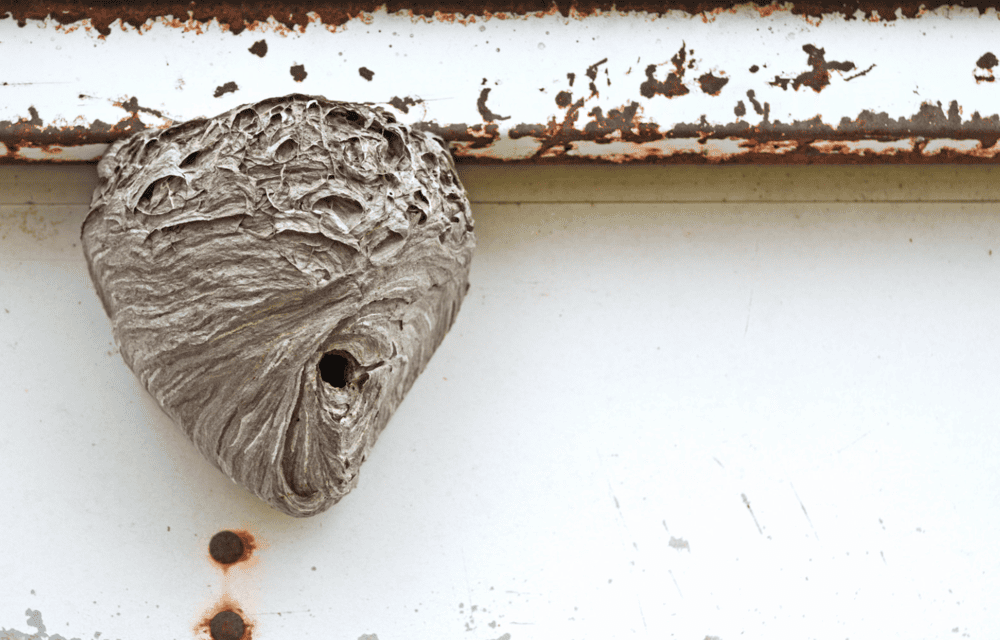
Natural, economical and biodegradable, coffee grounds give off a smell that ants hate. As well as acting as a repellent, they enrich your garden soil!
➡️ How to use them:
Sprinkle them around nests, on window sills or in the garden after rain.
Ant insecticides
If the ant colony is well established, the infestation persists, or you have invasive species such as fire ants, you will need to use targeted professional products or call in a certified pest control expert.
Please note that these products must be used with caution. Ensure that you follow the instructions for use carefully.
1. Ant gels and baits
This is an effective and safe solution for eliminating an entire colony.
The principle is simple: the ants consume the gel, take some of it back to the nest, and contaminate the queen and larvae.
➡️ Instructions for use:
Place small drops of gel along paths, skirting boards and passageways.
Leave the product in place for several days without cleaning it so that the workers can carry it away.
Repeat after 2 weeks if necessary.
2. Insecticide powders
These powders are mainly used outdoors, around nests, terraces, borders or cracks. They work by contact or ingestion and quickly eradicate visible ants.
➡️ Instructions for use:
Lightly sprinkle the powder on areas where ants travel or at the entrance to the nest.
Leave to work without watering or sweeping for 24 to 48 hours.
Repeat after rain if necessary.
⚠️ Precaution: Avoid using the powder in living areas or near animals (toxic if ingested).
3. Ant sprays and aerosols
Used as a quick-acting treatment, these products kill ants on sight.
They are useful for stopping a one-off invasion in the kitchen or bathroom, but their effect is temporary.
➡️ Instructions for use:
Spray directly onto ants or entry points (windows, doors, skirting boards).
Then ventilate the room for 10 to 15 minutes.
⚠️ Caution: these sprays often contain irritating solvents. Do not spray them on worktops, kitchen utensils or children’s toys.
4. Slow-release granular bait
The ants carry these products back to the nest, which eliminates the colony at its source.
➡️ Instructions for use:
Avoid mixing them with repellents (the aim is to attract the ants).
Place the granules near their trails or around terraces.
Call in a licensed professional
When ants have settled deep within walls, under floors, or in wooden structures (as is the case with carpenter ants), it is best to contact a professional exterminator.
This specialist will be able to:
Accurately identify the species and location of the nest.
A hoover and sponge are your best friends. Clean often to prevent re-infestation. You can wash surfaces with white vinegar or lemon, whose smell naturally repels ants.
2. Close and clean your bins
Rubbish bins are magnets for insects (ants, flies, wasps, etc.), especially in summer.
➡️ To do:
Use airtight bags and always close the lid.
Clean the inside of the bin once a week with hot water and vinegar.
Avoid throwing away sugary or sticky waste without wrapping it up.
3. Be careful with pet bowls and food
➡️ What to do:
Place bowls on a small mat that is cleaned every day.
Remove leftovers after meals.
If necessary, place a barrier of chalk or diatomaceous earth around the area to keep them away.
4. Seal cracks and entry points
Ants will squeeze through the smallest of openings to get inside.
➡️ To do:
Skirting boards, window seals, electrical conduits, and under doors.
Fill cracks with filler or silicone.
Spray white vinegar or a natural repellent after each cleaning to confuse their scent trails.
5. Maintain the garden and the area around the house
➡️ To do:
Trim hedges and remove climbing plants from walls.
Remove branches or piles of dead leaves from the foot of walls.
Clean paving slabs and joints on the patio with hot water and vinegar.
6. Avoid sources of moisture
➡️ To do:
Repair leaking taps.
Check the pipes under the sink and in the bathroom.
Ventilate regularly to reduce indoor humidity.
FAQ
What is the most effective product for killing ants?
Ant gel is the most effective solution. The worker ants ingest it and then carry it back to the nest, contaminating the entire colony, including the queen. For fast action, you can supplement this with “old wives” remedies’; diatomaceous earth, for example, works very well.
What does it mean when there are lots of ants in the house?
A large number of ants usually indicates: The proximity of a nest, often in walls, skirting boards or floors. An accessible food source (crumbs, sugar, pet bowls, rubbish bins). Sometimes a water leak or damp area.
How to get rid of ants in winter?
In winter, ants become less active and take refuge in their nests to survive the cold. ➡️ Clean and sanitise your home thoroughly (bins, cupboards, corners). ➡️ Seal any cracks and remove all sources of food. ➡️ If ants persist indoors, place gel bait near entry points or heated areas (they sometimes continue their activity indoors).
How can you get rid of ants without killing them?
Ants play an important role in ecosystems. It is better to scare them away than to kill them. Here’s how to do it: – Clean their trails with white vinegar to remove their scent. – Diffuse repellent scents (lemon, mint, lavender, cinnamon). – Use diatomaceous earth: it blocks their passage without poisoning the insects. – Close off access points: fill cracks, install seals under doors, and keep your food in airtight containers.
Have ants invaded your home? Gardens, terraces, kitchens, etc. These little insects can sometimes be invasive. First and foremost, you need to find their nest in order to get rid of them. Here are our tips for quickly finding an anthill and the right steps to take.
Key takeaways
➡️ An ant nest (or anthill) is a complex structure housing thousands of individuals, organised around a queen, workers and larvae. ➡️To locate it, look for regular lines of ants, small mounds of earth, or entry points in walls, skirting boards or planters. ➡️ Action must be taken if the nest is inside the house or if it is an invasive species (pharaoh ants, electric ants, etc.). ➡️Natural methods (vinegar, bicarbonate of soda, diatomaceous earth, etc.) are often sufficient to eliminate a small colony. ➡️In the event of a major infestation, opt for a professional treatment approved by Certibiocide.
Ant nest: a veritable miniature city
When you look closely, an anthill is a small society where each insect plays a specific role. Ants live, reproduce, store food and raise their larvae in a perfectly organised system.
Did you know?
An ant nest is home to several castes:
The queen, the only reproductive member, sometimes lays several thousand eggs per year.
The workers, which are sterile, take care of transport, food and nest maintenance.
The larvae and eggs, which grow in protected, ventilated chambers.
The soldiers, or more robust ants, are responsible for defending the colony.
Some species, particularly Myrmicinae such as the red ant, can have several queens and several thousand individuals.
The nest then functions as an interconnected colony, with dedicated areas: larval chambers, food reserves, circulation tunnels, and ventilation outlets.
Where do ants build their nests?
Ants adapt their environment according to climate, humidity and available food.
In nature: under stones, in the ground, roots or dead tree trunks.
In houses: in hollow walls, behind skirting boards, under floors, or near electrical conduits.
Some species, such as carpenter ants, dig into wood, sometimes causing damage comparable to that caused by termites.
These nests can contain from a few hundred to several hundred thousand individuals, connected by complex tunnels that can extend for several metres.
The main species of ants and their types of nests
Ant species
Appearance/size
Location of the nest
Risks
Black garden ant (Lasius niger)
Black, 3 to 5 mm
Lawn edging, pavement cracks, exterior walls
A very common species, often enters houses in search of crumbs.
Red ant (Myrmica rubra)
Brownish red, 4 to 6 mm
Wetlands, meadows, forest edges
Stings when the nest is disturbed, can invade gardens.
Carpenter ant (Camponotus ligniperda)
Black or brown, 6 to 12 mm
Roof structures, floors, joinery
Damages wooden structures, often mistaken for termites.
Argentine ant (Linepithema humile)
Light to dark brown, 2 to 3 mm
Urban areas, kitchens, walls, basements
Invasive species, difficult to eradicate; no single queen.
Pharaoh ant (Monomorium pharaonis)
Light yellow, 2 mm
Heated interiors: hospitals, buildings, kitchens
Feared for its ability to colonise buildings; can contaminate food.
Electric ant (Wasmannia auropunctata)
Orange-brown, 1.5 mm
Sockets, electrical boxes, dry wood
Painful sting, may cause short circuits; invasive species.
How can you recognise an ant nest?
Outdoors (garden, patio, lawn)
Small mounds of earth or sand: often visible between paving slabs, along borders or around roots.
Well-defined ant trails: workers move in single file between the food source and the nest.
Digged soil: a sign of active underground tunnels.
Frequent visits to the same spot, especially at sunrise or sunset.
Piles of twigs, leaves or soil forming a dome (typical of red ants).
Presence of fallen wings on the ground, indicating the departure or establishment of a new colony.
Inside (house, flat)
An ant nest is home to several castes:
Ants visible around crumbs, rubbish bins or pet bowls.
Regular trails near skirting boards, cracks or electrical conduits.
Ants present at night: they are more active at this time.
Small particles of wood or dust at the foot of walls or furniture (sign of a carpenter ant nest).
Practical tip: Place a drop of honey and observe the direction in which the workers return; this will lead you to the anthill.
Should you always get rid of an ant nest?
Before considering destroying a nest, it is important to remember that ants play a very important ecological role.
In gardens and natural areas, these insects contribute to the balance of the ecosystem.
They aerate the soil with their tunnels.
They eat other harmful insects such as larvae, scale insects and fleas.
They help disperse seeds, which is useful for certain flowers and plants.
In myrmecology (the science that studies ants), they are considered bioindicators of the health of an ecosystem.
When should you get rid of an ant nest?
1. If the nest is inside the house
A nest built into the walls, under the floor or behind the skirting boards can cause problems. Some species, such as carpenter ants (Camponotus ligniperda), dig into the wood and weaken the structure of the house, much like termites. There are also electric ants, an invasive species that settles in electrical sockets, household appliances and wooden structures, sometimes causing short circuits.
2. If the nest threatens the garden or animals
A nest can become a nuisance when:
The ants attack plants to protect the aphids they are raising.
They settle near feeders, chicken coops or animal bowls, attracted by food.
They dig under patio slabs or paving stones, causing the ground to lift.
3. If they are invasive species
Some species are not content with a small territory; they attack other insects and upset the balance of biodiversity. They can also deliver very painful bites to humans.
Species
Features
Risks
Red ant (Myrmica rubra)
Brownish red, 4 to 6 mm, lives in dense colonies in damp areas.
Aggressive species that stings repeatedly; can invade gardens and cause painful skin reactions.
Argentine ant (Linepithema humile)
Light brown, highly mobile, multiple colonies without a single queen.
Rapid colonisation of kitchens and gardens, difficult to eradicate, resistant to many insecticides.
Pharaoh ant (Monomorium pharaonis)
Pale yellow, tiny (2 mm), likes warmth.
Infest buildings, hospitals, communal kitchens; carries bacteria and germs.
Electric ant (Wasmannia auropunctata)
Orange-brown, very small (1.5 mm).
Painful sting, risk of short circuits (nests in electrical appliances).
Fire ant (Solenopsis invicta)
Dark red, aggressive and venomous.
Multiple stings and allergic reactions, rapid colonisation, local ecological destruction.
Good to know: if you spot invasive ants near your home, notify your local council. You will need to call in a licensed professional exterminator.
How to get rid of an ant nest?
Natural methods
Before using chemicals that can be harmful to the environment and other animals, it is best to start with natural methods.
White vinegar
A classic remedy for repelling ants.
Mix equal parts white vinegar and water in a spray bottle, then spray on trails, skirting boards and entrances to the nest.
➡️ The acidic smell masks the trail pheromones that ants use to find their way around.
Lemon
Its acidity acts as a natural repellent. Squeeze a lemon and place pieces or juice directly at the entrance to the nest.
➡️ Repeat every two days.
Baking soda
When mixed with powdered sugar, it attracts ants while causing a fatal internal reaction when they ingest it.
➡️ Place small bowls of the mixture (50/50) in areas where ants are frequently seen.
Diatomaceous earth
This 100% natural mineral powder works mechanically by cutting through the thin protective layer of ants. Use biocidal diatomaceous earth that is uncalcined, amorphous, and has a minimum silica (SiO2) content of 90% for greater safety and effectiveness.
➡️ Sprinkle or spray around the nest, under skirting boards, or near kitchen openings.
Although most ants found in France are harmless, some species can sting and cause itching, swelling and even allergic reactions. How can you recognise these stings? What should you do to treat them? Here are our recommendations.
Key information
➡️ Not all ants sting: only a few species, such as red ants and fire ants, inject formic acid, which causes burning.
➡️An ant sting usually causes redness, a small bump and mild itching, which is not serious.
➡️If you are stung: clean and disinfect the area, then apply a soothing cream or natural remedy (vinegar, bicarbonate of soda, aloe vera).
➡️Avoid scratching to prevent infection, and consult a doctor if the reaction worsens (fever, swelling, breathing difficulties).
➡️To prevent bites, wear protective clothing, avoid anthills and keep your home clean.
Which ants sting?
Of the approximately 200 species recorded in France, only a handful can sting or bite, and only when they feel threatened. For example, the small black ants often found in homes are harmless..
The red ant (Myrmica rubra)
The nightmare of hikers and gardeners! Very common in temperate regions, the red ant lives in grassy, damp areas such as forests. Its bite is painful, comparable to a mild burn, and often causes a small red blister that itches for several hours. When it bites, it injects a formic acid-based venom that causes the burning sensation.
What does the red ant look like?
Where to find it: lawns, gardens, damp meadows, under stones or tree stumps.
Size: approximately 4 to 6 mm.
Colour: brownish red, sometimes coppery.
Appearance: slender body with bent antennae and a visible sting at the rear.
Behaviour: very mobile, aggressive when its nest is disturbed.
The fire ant (Solenopsis invicta)
Native to South America, this invasive species is stillrare in France, but it is now present in Southern Europe. Global warming and maritime transport are facilitating its spread.
Be careful, it is extremely aggressive, its multiple stings inject a powerful venom causing redness, blisters and sometimes severe allergic reactions. Its stings are very painful for humans.
A single colony can contain several hundred thousand individuals, making them a real nuisance once they have settled in.
What does the fire ant look like?
Size: 2 to 6 mm, depending on caste (workers or queens).
Colour: reddish brown
Appearance: imposing head, sting.
Behaviour: extremely aggressive, attacks in groups: several successive stings.
Where to find it: dry soil, sunny areas, lawns, sometimes near dwellings.
The electric ant (Wasmannia auropunctata)
Less well known than the red ant, the electric ant is nevertheless one of the most invasive and painful species in the world. Native to South America, it has spread to several tropical and subtropical regions, including New Caledonia, Guadeloupe and French Guiana. It was first spotted in France in Toulon in 2022.
Its sting is sharp and burning, comparable to an electric shock lasting 2-3 hours, hence its nickname, the electric ant. It threatens not only local biodiversity, but also human dwellings, as it settles in electrical sockets, household appliances and wooden structures, sometimes causing short circuits.
What does the electric ant look like?
Size: approximately 1.5 mm for workers and 4.5 mm for queens
Colour: brown to orange body
Where to find it: inhabited areas, sources of heat.
Good to know: If you spot red, fire or electric ants, notify the authorities immediately so that the infestation can be dealt with.
Do black garden ants bite?
This type of ant, which is very common in our homes and on our patios, does not actually bite; it bites with its mandibles, without injecting venom, and only if it feels threatened. The sensation is brief and not serious, even for sensitive skin.
Why do ants bite?
Ant bites never happen by chance: these insects do not seek to attack humans, but react when they feel threatened or when their colony is disturbed..
A defensive reaction
Ants sting mainly to protect their nest, their eggs or their queen. When they sense a vibration or an intrusion into their territory, they send a chemical warning signal to their fellow ants. Within seconds, dozens of workers can mobilise to defend the anthill..
Frequent risk situations
Stings often occur accidentally, in everyday situations:
Walking barefoot in the grass or on dry ground in summer, without seeing a hidden anthill.
Stepping on a nest hidden under leaves, stones or grass.
Sitting or picnicking on infested ground: ants, attracted by crumbs, climb onto skin or clothing.
Gardening without gloves, handling soil, pots or wood stored near a colony.
How can you recognise an ant bite?
Although their intensity varies depending on the species, most ant bites cause localised redness and a slight burning sensation.
In practice, the ant will first bite you with its mandibles and then, in the case of certain species, inject you with venom through a sting..
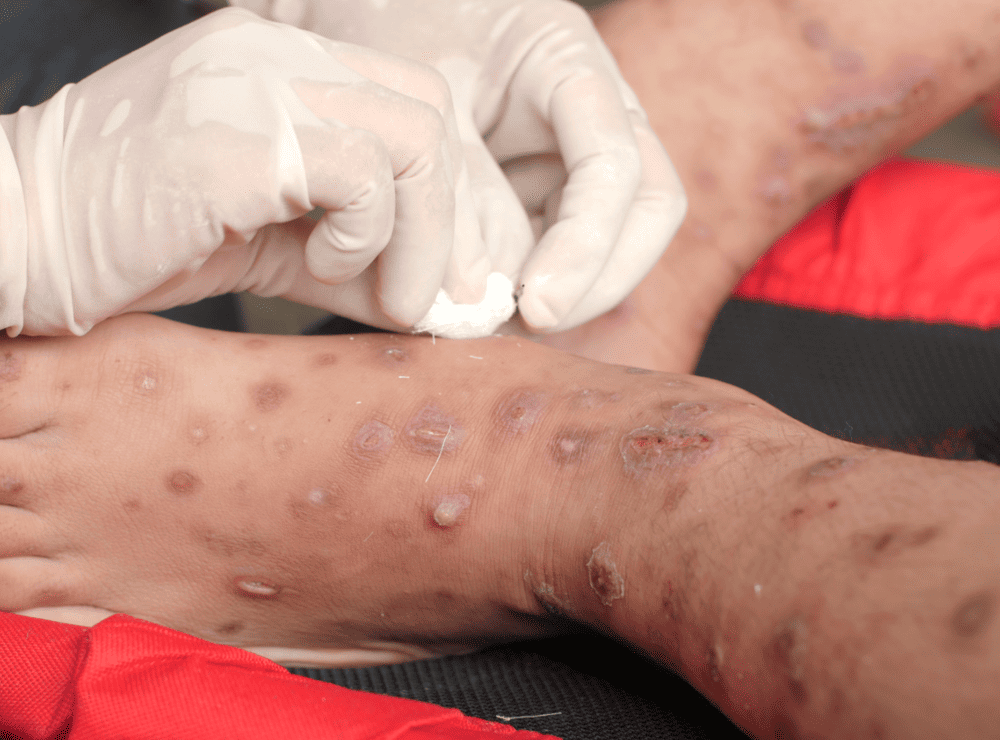
Visible signs on the skin
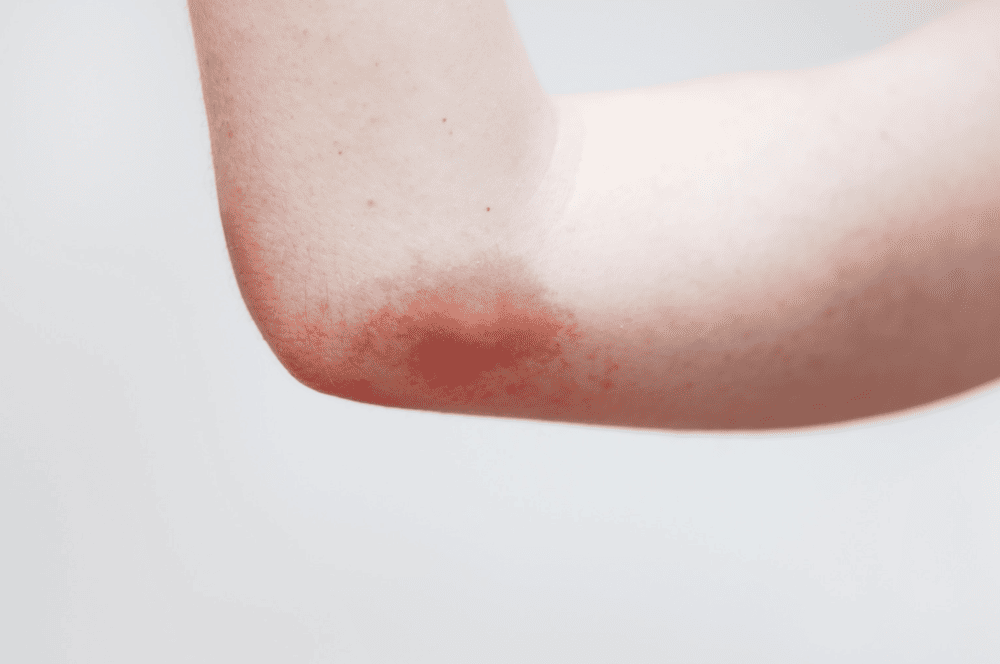
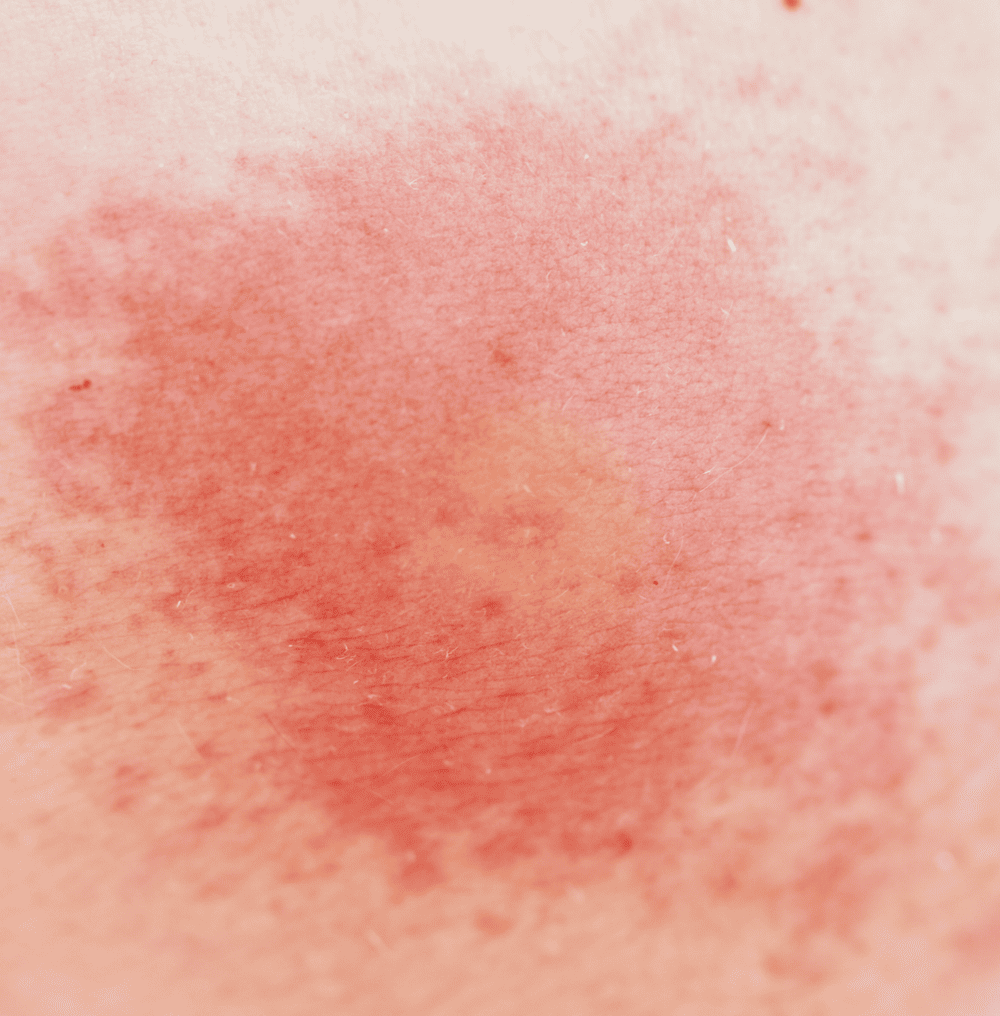
A small red blister or slightly raised spot, often on the ankles, feet, legs or hands.
A darker central spot or thin scab in the middle of the bitten area.
Slight inflammation around the lesion (circular mark), accompanied by itching.
Sometimes, clusters of spots appear if several ants have bitten at the same time.
Sensations following a sting
A quick stinging or burning sensation upon contact with the insect.
Itching in the hours that follow.
In some cases, swelling or slight blistering that persists for 24 to 48 hours.
Rarely, a throbbing pain or a feeling of local heat.
However, there is no need to worry, as these reactions are generally localised and mild, except in the case of an allergic reaction.
Risks and possible complications following ant bites
1. Skin infection
As with all insects, scratching too hard may break the skin and cause a minor bacterial infection.
In this case, you can disinfect the area with a mild antiseptic solution and consult a doctor if the lesion worsens.
2. Allergic reactions
Some people may have an allergic reaction to the venom (similar to that of bees, wasps or other hymenoptera).
Symptoms appear quickly after the sting:
swelling of the face, eyelids or tongue,
significant local oedema,
difficulty breathing or swallowing,
dizziness or general discomfort.
In these cases, it is a medical emergency: call 15 or 112 immediately.
Good to know: children’s thin skin reacts more strongly.
How to treat and relieve an ant bite?
Here’s what to do if you have ant bites.
1. Clean the bitten area
Wash your skin with water and mild soap, or use an antiseptic spray available from a chemist. Pat dry with a clean compress, without rubbing.
This simple step eliminates any bacteria and reduces the risk of skin infection.
2. Relieve pain and itching
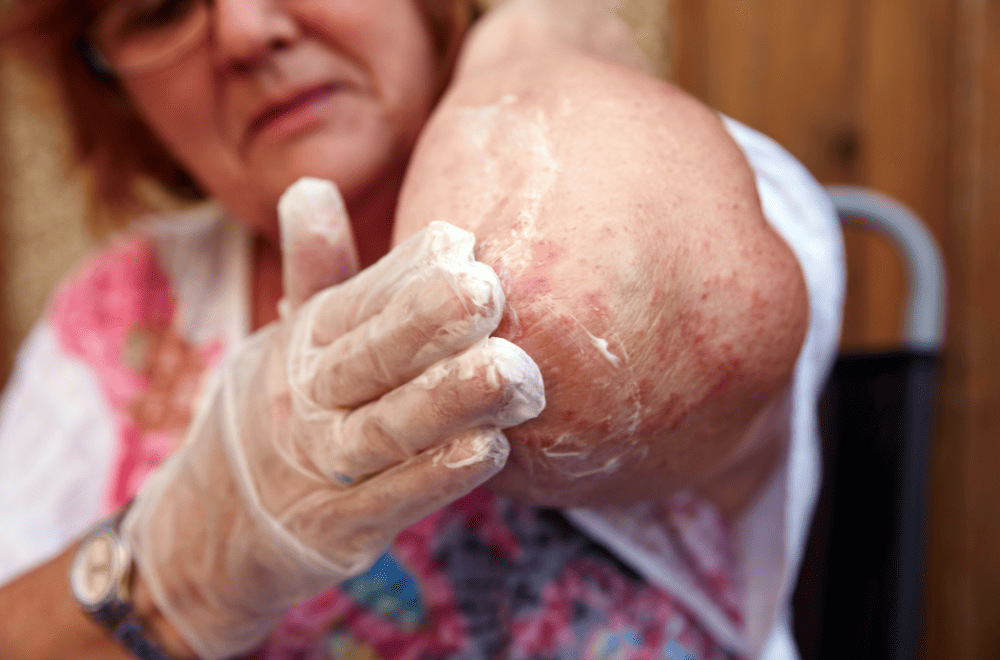
Apply a soothing cream such as Apaisyl®. Be careful of toxic substances that may sometimes be present. You can find a comparison of post-bite products here.
In case of severe pain or inflammation, use a local anti-inflammatory gel or cortisone-based cream (on medical advice)..
Good to know: an ice pack (wrapped in a cloth) can help reduce pain and swelling.
In any case, avoid scratching! You risk causing a secondary infection and leaving scars. If the itching persists, you can take a mild antihistamine (ask your chemist for advice).
3. Useful natural remedies
If you prefer gentle, natural solutions to soothe ant bites, certain everyday products can be effective. These remedies relieve pain, reduce itching and promote healing without damaging the skin..
White vinegar
White vinegar neutralises formic acid, the substance responsible for the burning sensation felt after a sting.
➡️ Soak a cotton ball in white vinegar and apply it directly to the stung area for one to two minutes. Be sure to dilute it with water beforehand.
Aloe vera gel
Known for its anti-inflammatory and healing properties, pure aloe vera gel is very useful against insect bites.
➡️ Apply a small amount of gel to clean skin and allow to dry in the open air.
It instantly soothes the sensation of heat, reduces marks and promotes skin regeneration..
Baking soda
Baking soda helps to rebalance the skin’s pH and soothe irritation.
➡️ Mix one teaspoon of bicarbonate of soda with a little water to form a paste. Apply as a poultice to the affected area for 10 to 15 minutes, then rinse.
This remedy is particularly useful in cases of burning or swelling after multiple stings..
Practical tip: keep your aloe vera tube or bicarbonate mixture in the refrigerator, as the cold enhances the soothing effect on the skin.
When should you see a doctor after an ant bite?
In the vast majority of cases, ant bites are harmless and disappear on their own within a few hours or days.
However, some situations require prompt medical attention.
Seek immediate medical attention if:
The area around the sting swells significantly or spreads rapidly.
You experience difficulty breathing, swelling of the face or throat, or a feeling of suffocation: this may be a severe allergic reaction (such as anaphylactic shock).
The bite causes fever, chills or increasing pain.
The area becomes hot, red and painful several days after the bite: possible bacterial infection.
You have been bitten several times or over a large area (e.g. trampled anthill).
➡️ Reactions may be more severe in children, people with allergies, the elderly, or those with chronic illnesses.
4 tips to avoid ant bites
1. Protect yourself in high-risk areas
When walking, hiking or gardening:
Wear long clothing (trousers, socks, long sleeves) to protect your legs and feet.
Wear closed shoes and avoid walking barefoot in the grass.
2. Be careful during picnics or outdoor activities
Ants are attracted to food, sugar and crumbs.
Be careful with children who want to stamp on anthills.
Avoid placing your picnic directly on the ground, especially in parks or wooded areas.
If you notice a line of ants or the entrance to a nest, move further away.
3. Use natural repellents and insecticides
To repel ants without harsh chemicals, sprinkle a little bicarbonate of soda, diatomaceous earth or white vinegar around the infested areas..
4. Clean regularly
Household ants love kitchens and damp rooms.
We therefore recommend that you:
Clean worktops, floors and bins regularly.
Store food in airtight containers.
Repair any water leaks: damp also attracts these insects.
FAQ
Bite or sting: what’s the difference?
Most ants bite, but do not sting with a stinger. They use their mandibles (their mouthparts) to pinch the skin. Some species, such as the red ant (Myrmica rubra) or the fire ant, can sting with a small stinger located at the rear of their abdomen. When they sting, they inject formic acid, which causes the burning or pain felt. In summary: bites pinch, stings burn.
Are ant bites dangerous to your health?
In the vast majority of cases, no. Ant bites simply cause localised itching, redness or slight swelling. They are rarely serious, except in cases of severe allergic reaction (difficulty breathing, swelling of the face). Some tropical species, such as fire ants, can cause severe reactions, but these are very rare in the UK.
Do flying ants sting?
Flying ants are not a different species: they are reproductive ants (winged males and females) that leave the nest to mate. They are generally harmless and do not sting, as they do not defend the colony. However, they may bite lightly if they feel trapped, but without injecting venom or posing any real danger.
Do ants cause spots?
Yes, an ant bite can cause a small red spot or a blister with a central point, especially in the case of red ants. In some sensitive individuals, the skin may react more strongly, with several spots clustered together or localised swelling. These marks usually disappear within 24 to 72 hours, provided that you do not scratch them and disinfect the area properly.
Bed bugs are spreading worldwide, including in France. According to a study by Anses, 11% of French households experienced an infestation of bed bugs between 2017 and 2022. Unfortunately, an infestation can spread to an entire building in a matter of weeks and cause numerous problems in everyday life. Preventive measures, existing bed bug treatment, mistakes to avoid, rules for dealing with the issue between co-owners: here is all the practical information you need to know about bed bugs in co-owned properties.
N.B.: this article provides advice for both residents and property managers.
In brief
➡️Bed bugs can quickly spread throughout a building by travelling through walls, floors or service ducts.
➡️ In the event of an infestation affecting several units and/or common areas, the property manager is required to implement appropriate treatment.
➡️ The cost of treatment is divided among the co-owners according to their share of the property.
➡️ Treatment must be comprehensive and coordinated: thermal methods, steam, approved insecticides and, in some cases, canine detection.
➡️ Preventive measures communicated to all residents are essential.
The causes of a bed bug infestation in a building
These insects, which feed on human blood, never appear ‘by chance’.
Here are the main causes of bed bug infestations:
Travel: suitcases and bags brought back from hotels, hostels or accommodation that is already infested.
Second-hand furniture: mattresses, bed bases, sofas or chests of drawers picked up on the street or bought without checking them first.
Clothing and textiles: sheets, curtains or clothing stored in infested communal areas or laundromats.
Mattresses and contaminated items thrown away without precautions
Moving house: a single bug hidden in a box or piece of furniture is enough to infest a new flat.
Visits from outsiders carrying bugs on them
Good to know: the presence of bed bugs is in no way linked to poor hygiene..
Apartment buildings: a breeding ground for bed bugs
Bed bugs are small, highly mobile insects that can travel from one flat to another through walls, floors or service ducts.
In a building, they use multiple passageways to invade new homes:
cracks and gaps in floors or parquet flooring,
pipes, electrical ducts and roller shutters,
bedding, furniture and textiles moved from one flat to another,
common areas (cellars, rubbish rooms, laundry rooms, halls).
The result: an infestation that starts in a single room can quickly spread to an entire floor, or even the entire building, if no collective action is taken.
To make matters worse, the problem is generally underestimated. Very often, those affected delay reporting the presence of bed bugs in their homes for fear of being stigmatised. The infestation then spreads to several flats before collective treatment is considered by the property manager or the co-ownership association.
➡️ In a condominium, it is therefore crucial to act quickly: the earlier the infestation is detected, the simpler and less expensive the treatment will be.
A very complicated daily life for occupants
Bed bugs are often a ‘living hell’. There are many inconveniences:
Constant discomfort: sleep disturbances, itching, anxiety about being bitten at night.
Financial costs: repeated treatments, replacement of infested mattresses, bed bases and furniture.
Tension between neighbours: searching for the person ‘responsible’ for the infestation, conflicts with the property manager or co-ownership association.
Steps to take in the event of bed bugs in a building
Step 1: Report it quickly
The first thing to do is to immediately alert the building manager or property manager. The sooner the problem is dealt with, the more effective and limited the treatment will be. Bed bugs multiply very quickly; an adult female can lay 5 to 10 eggs per day and around 500 during her lifetime. A colony can therefore form very quickly.
It is also important to inform your immediate neighbours (in adjoining flats, above and below) so that they can inspect their homes.
⚠️Do not hide the problem for fear of being stigmatised!
Silence only makes the situation worse and leads to higher costs for the entire building.
Step 2: Inspection and clear diagnosis
Once the infestation has been reported, an inspection must be carried out in the infested flat, as well as in neighbouring flats and certain common areas (cellars, laundry rooms, stairwells).
The areas to be checked as a priority are:
Bedding: mattresses, bed bases, headboards.
Textiles: sheets, curtains, sofas, armchairs.
Structures: skirting boards, cracks in walls, floors, parquet flooring.
To confirm the presence of bedbugs and assess the extent of the infestation, it is often recommended to use a certified detection dog. Sniffer dogs are more than 95% reliable.
Once the detection has been carried out, the dog handler provides a detailed report on the infested areas, accompanied by recommendations for treatment.
Good to know: Choose professionals who are members of the SEDCP: Union of Bed Bug Detection Dog Experts.
Step 3: Implementation of appropriate treatment
Paris, France, le 27 septembre 2023. Philippe désinfecte un appartement de ses punaises de lit.
photo : LP / Olivier Corsan
When an infestation is confirmed in a building, it is essential to implement a coordinated treatment plan. At this stage, collective action is essential: several adjoining flats must be treated at the same time, ideally under the supervision of the property manager or a specialist pest control company.
Heat treatment
Heat treatment is currently one of the most effective methods for eliminating bed bugs in flats and buildings. Unlike conventional insecticides, it acts at all stages of the insect’s life cycle, including on eggs, which are often more resistant.
How does it work?
Bed bugs die at temperatures above 55°C, and their eggs are destroyed by rapid heat shock. Professionals use devices that generate dry heat (120°C steam, heat guns, ovens) to treat mattresses, bed bases, furniture, floors and textiles.
Thermal ovens such as the BugBuster can treat large quantities of contaminated items in a minimum amount of time. It is a type of large container equipped with a heat ventilation system.
This heat penetrates the most difficult-to-reach areas: seams, cracks, skirting boards, shutters and behind furniture.
Benefits
Disadvantages
100% environmentally friendly method, without chemicals.
Higher cost than conventional chemical treatment.
Effective against eggs, nymphs and adults.
Must be applied by certified professionals equipped with specialised equipment.
No harmful residues: dwellings can be reoccupied quickly after treatment.
May require several treatments depending on the extent of the infestation in the building.
Insecticide treatment
Chemical treatment remains widely used. It involves applying approved insecticide products to infested areas and their potential hiding places.
Be careful to choose a professional with ‘Certibiocide’ certification. This is mandatory for handling this type of chemical product.
The products generally have a dual effect:
Shock effect, which kills bedbugs on immediate contact.
Residual effect, which acts for several weeks to eliminate insects that hatch afterwards.
A complete protocol must include at least two treatments spaced 7 to 15 days apart in order to eliminate newly hatched eggs and prevent the infestation from returning.
Who is responsible in the event of an infestation in a building?
If several units and/or common areas are affected by bed bugs, the infestation may be considered a structural problem. In this case, the property manager or landlord is responsible for organising and financing the treatment of the common areas and affected dwellings (unless otherwise explicitly stated in the co-ownership regulations).
In practice, the property manager has a duty to act to preserve the cleanliness of the common areas. They must organise a rapid response as soon as an infestation is reported.
The costs of bed bug treatment are divided among the co-owners according to their share of the property.
Good to know: for individuals, there are now bed bug insurance policies that can cover the cost of treating your home.
Prevention and best practices in co-ownership
For co-owners and tenants
Every resident of the building can reduce the risk of infestation by taking simple steps:
If you suspect an infestation, alert your neighbours and the property manager immediately rather than treating it yourself, as this may cause the bedbugs to spread.
Regularly inspect bedding: sheets, mattresses, box springs and pillows.
Check bedrooms for small black spots (excrement), traces of blood or moulted skin.
Wash textiles (sheets, curtains, covers, clothing) at a minimum temperature of 60°C after travelling or staying in a potentially infested place.
Avoid picking up furniture, mattresses or bed bases that have been abandoned on the street or in the common areas of the building.
For the property manager
The fight against bed bugs can only be effective if it is a collective effort. The property manager therefore has a key role to play:
Establish a clear prevention protocol, with the help of certified professionals.
Keep co-owners and tenants regularly informed: posters in lobbies, explanatory letters, information meetings.
Set up a dedicated fund to quickly finance comprehensive treatment in the event of an infestation in several flats or common areas.
Consider preventive canine detection campaigns in the most exposed buildings.
Heat treatment is one of the most commonly used methods for eradicating bed bugs. High temperatures kill these pests and their eggs for good. After months of research in collaboration with specialists, Swiss company Nocibilis has developed BugBuster: a clean, safe and ultra-effective thermal oven 2.0. Let’s take a closer look at this method, which is particularly well suited to hotels, local authorities and establishments open to the public.
In brief
➡️ BugBuster is a heat treatment that eliminates bed bugs and eggs without the use of chemicals.
➡️ The solution is particularly suitable for professionals who need to treat large quantities of items without risk of damage.
➡️ The treatment is ultra-fast, with a cycle time of less than 2 hours.
➡️ Combined with SOS Serenid spray, the heat treatment becomes even more comprehensive and long-lasting.
Nocibilis: THE pest control specialist
Based in Geneva, Nocibilis is one of the leading pest control companies in both Switzerland and France.
Pest control, rodent control, pigeon control and disinfection, this specialist works with both private individuals and professionals: hotels, local authorities, airports, nurseries, industries, hospitals and property management companies.
Founded by Yoann Plusquellec, who is passionate about entomology and environmental protection, Nocibilis relies on a team of highly qualified technicians. All are trained and certified by OPER P (Switzerland) and Certibiocide (France), a guarantee of professionalism and safety during interventions. Their expertise in urban entomology enables them to fully understand the behaviour of pests in order to offer truly effective treatments.
The icing on the cake is that Nocibilis is committed to environmentally friendly solutions. The company uses biological, natural or mechanical treatments that are just as effective as chemical products, but without any danger to human or animal health or to materials.
At Serenid, we were delighted to participate in the development of BugBuster, an innovative product that represents a new step forward in bed bug treatment.
Disinfection and pest control: comprehensive protection for all spaces
Nocibilis offers safe, clean and effective disinfection services to eliminate bacteria, viruses and germs in all types of premises. This service is available to businesses, private individuals and sensitive establishments such as hospitals and healthcare centres.
Specialising in the fight against pathogens and the prevention of contamination, Nocibilis has developed recognised expertise, particularly during the COVID-19 pandemic, in effectively protecting businesses and individuals.
The Swiss company also offers tailored treatments to get rid of various pests: wasps and hornets, spiders, ants, wood insects, processionary caterpillars, moths and cockroaches, etc.
Pest control and rodents
Rats, mice, martens, shrews, voles and other rodents are a threat to health, safety and infrastructure..
Nocibilis offers safe, fast and environmentally friendly solutions to eliminate these pests permanently..
BugBuster : the thermal oven 2.0
After several months of intensive research and testing, the BugBusteris finally here. This cutting-edge solution eliminatesbed bugs and their eggs without any chemicals.
Specifically, it is a large box measuring 2.5 m x 3 m, called a heat chamber, equipped with a heating and ventilation system.
Contaminated items such as furniture, suitcases, mattresses, etc. can be placed inside, then a thermal shock is triggered to eradicate bed bugs at all stages of their life cycle.
The scientific validation of the system was carried out by Jean-Michel Bérenger, a renowned medical entomologist, guaranteeing maximum effectiveness and a rigorously tested protocol..
Why choose the BugBuster?
The BugBuster is an essential ally for professionals dealing with infestations.
Here are its advantages:
✅ Speed: less than 2 hours are needed for a complete treatment, compared to nearly 8 hours with conventional solutions.
✅ Versatility: whether it’s suitcases, mattresses, laundry trolleys or various textiles, the BugBuster adapts to all types of infested items.
✅ Safety: the thermal process poses no risk of damage to the treated materials.
✅ Large treatment volume: up to 200 suitcases, 33 mattresses or 6 trolleys can be treated in a single cycle.
BugBuster: a solution tailored to the needs of professionals
Hotels, hostels, communities, university residences, business premises, an infestation of bed bugs can be catastrophic for professionals. The consequences are short-term (treatment costs, slowdown in activity, etc.), but also long-term (damaged brand image, bad reviews, etc.).
➡️ In short, acting quickly is crucial.
The BugBuster has been specially designed to meet these requirements. Powerful, fast and secure, the solution adapts to the needs of professionals.
Let’s take the example of a hotel with several rooms infested with bed bugs. The infestation can quickly spread throughout the entire establishment, leading to its temporary closure and therefore a significant loss of revenue. With the BugBuster heat treatment unit, it is possible to treat up to 33 mattresses and numerous pieces of furniture in two hours without damaging them. Business can resume more quickly and safely.
What’s more, each establishment can benefit from a customised oven with:
✅ Adjusted dimensions
✅ Adapted heat treatment cycles
✅ Optimised configuration for certain types of materials
To ensure even more comprehensive treatment, Nocibilis has added an extra step in partnership with Serenid.
At the end of each heat cycle, Serenid Bed Bug SOS Spray (which individuals can also use at home) is sprayed inside the heat chamber. This finishing product acts as an additional barrier, reinforcing the effectiveness of the treatment by targeting any bed bugs that may be resistant or present in hard-to-reach areas.
This combined approach offers two advantages:
Complete disinfection of treated surfaces and objects.
Maximum safety for occupants and staff, thanks to an approved product that is harmless to human health, animals or materials.
➡️ Result: a 100% safe, environmentally friendly and ultra-effective protocol..
• Super-powerful curative spray for bed bugs
• Eliminates 100% of all bed bugs (eggs, larvae, adults)
• Immediate, safe, long-lasting protection
• Over 200,000 satisfied Sereni-d® customers
University campuses are ideal breeding grounds for bed bug infestations. With students constantly coming and going, outdated facilities and limited resources for prevention, the risk of these pests taking hold is high. Closures are sometimes unavoidable, with disastrous consequences for both students and staff. Causes, risks, prevention solutions and recommended treatments: here is all the practical information you need on this subject, tailored to the university context.
In brief
➡️ University residences are particularly vulnerable to bed bugs due to the high turnover of students and often dilapidated premises.
➡️ An infestation can have serious health, psychological and organisational consequences.
➡️ Professional treatment is the most effective solution: inspection, heat or steam treatment, thorough vacuuming and regular monitoring.
➡️ Students and staff should be made aware of the correct measures to take.
Universities: places particularly vulnerable to bed bugs
A high turnover of students
University residences and campuses are constantly busy places. Every semester, new French and international students arrive, while others leave their accommodation for internships, university exchanges or to finish their studies. This constant turnover makes it easy for bed bugs to take hold. These small insects can easily be carried in students’ belongings, such as suitcases, clothing and bed linen.
The situation can quickly escalate, as a single bed bug in a room can cause an infestation throughout the entire building.
Remember that a single female bed bug can lay 5 to 15 eggs per day.
The start of the school year is a particularly risky time. With holidays and trips abroad, the chances of bringing bed bugs home with you are multiplied. This is especially true since cases of infestation increase in summer.
Dilapidated university premises
In France, one third of university premises are in poor condition (source). Some buildings, such as those at the Sorbonne Paris Nord University (Paris XIII), are downright dilapidated.
According to a report by the Court of Auditors, ‘many buildings date from the 1960s and are reaching the end of their life cycle’.
These structures are riddled with cracks in the walls, loose skirting boards, damaged floors and worn furniture. An ideal playground for bed bugs, as these insects love this type of hiding place.
These conditions are particularly problematic in collective residences, where rooms are close to each other and often share common areas. An infestation in a single room can quickly spread to an entire floor or even the entire building.
The State owns 82% of university buildings (source). Unfortunately, investment is clearly insufficient.
In many university residences and faculties, the fight against bed bugs is hampered by budgetary constraints.
Landlords, CROUS (the French student housing agency) and higher education institutions have limited resources to implement effective prevention policies. Financial priorities generally focus on routine maintenance, urgent repairs and services for students receiving grants.
As a result, control measures are often taken too late, once the infestation is well established.
The lack of standardised protocols, regular inspections and staff training exacerbates the problem.
Serious consequences in the event of infestation
A bed bug infestation in a university can turn into a nightmare for both students and the institution. First and foremost, it is a health problem, with itching from bites and sleep disturbances, not to mention the psychological risks such as stress and anxiety. The academic success of students can be seriously compromised.
It is also an economic problem for the institution. Carrying out a complete treatment of the premises is very expensive. Sometimes closure is inevitable, as was the case at the law faculty in Aix-en-Provence following the report of a bed bug in a lecture theatre.
Finally, the institution’s image may be tarnished, deterring some French or international students from enrolling.
How can you recognise an infestation in a university residence?
Les signes visibles
Here are some signs that you may have bed bugs:
Clustered or aligned bites, often on the arms, legs or back.
☑️ Tumble dry at maximum temperature for at least 30 minutes.
☑️ For delicate clothing, freeze at -20°C for at least 72 hours.
☑️ Isolate infested items in airtight bags.
☑️ Thoroughly vacuum the room with a vacuum cleaner with a narrow nozzle along the skirting boards, mattress seams and cracks. Empty the bag into an airtight bag.
☑️ Avoid carrying suitcases or bags into other rooms or common areas to prevent the spread of bed bugs.
• Super-powerful curative spray for bed bugs
• Eliminates 100% of all bed bugs (eggs, larvae, adults)
• Immediate, safe, long-lasting protection
• Over 200,000 satisfied Sereni-d® customers
When it comes to bed bugs, prevention is better than cure. An advanced infestation is very difficult to treat, especially over large areas.
Prevention is therefore essential. Student residence managers, social landlords and university housing services (CROUS, schools, faculties) must implement a proactive policy including:
Training for cleaning and maintenance staff
Some pest control professionals offer training courses to:
Learn how to identify signs of infestation
Know where to look first
Respond quickly if you suspect an infestation
Use prevention and treatment equipment correctly
The appointment of a ‘bed bug officer’ within the university can therefore prove very useful.
Raising awareness among students
Informing students is essential to limit the appearance and spread of bed bugs.
Here is an example of what an effective awareness campaign might include:
☑️ Posters and visual aids in halls, lifts and common areas explaining:
How to recognise bed bugs and their eggs.
The main signs of infestation (bites, black spots, traces of blood).
What to do immediately if you suspect an infestation.
☑️ Information meetings at the beginning of the year:
Presentation of the risks and consequences of an infestation.
Advice on how to avoid bringing them back after a trip or stay away from home.
☑️ Practical guides distributed to students:
Rules for maintaining bedding (regular washing at high temperatures).
Use of anti-bedbug covers on mattresses and pillows.
Importance of reporting any suspicions to the manager immediately.
☑️ Digital communication
Emails and posts on the university’s social media accounts.
Video tutorials on inspecting rooms and furniture.
FAQ
I live in a university residence infested with bed bugs. Who has to pay for the treatment of my room?
Treatment for bed bugs in rented accommodation is the responsibility of the landlord (CROUS, private residence, etc.), unless it can be proven that the student caused the infestation through inappropriate use of the accommodation. In the case of university accommodation, the manager must call in a certified professional and cover the costs of treating the room and common areas.
Bed bugs in a school: do I have the right to refuse to attend classes?
Schools and universities have a duty to ensure the health and safety of students and staff. However, refusing to attend classes without a valid medical reason or an official closure notice may result in unauthorised absences. If you suspect or find bed bugs in a classroom or lecture theatre, report the situation to the administration immediately.
What should I do if I find bed bugs in my student room?
Report the presence of insects immediately to the manager or CROUS. Do not move your furniture to avoid dispersing the insects. Wash your laundry and bedding at a high temperature. Avoid ineffective home remedies (aerosol sprays, essential oils alone).
A 50% increase for summer 2025! According to the Union of Canine Bed Bug Detection Experts (SEDCPL), infestations of these pests are skyrocketing compared to 2024. Here’s why.
In brief
➡️ +50% increase in bed bug infestations in France between June 2024 and June 2025.
➡️ However, cases fell by 26% in the first six months of the year.
➡️ With tourist travel and high temperatures, summer is a high-risk period for bed bugs.
➡️ Simple measures can protect you both while travelling and when you return home.
Twice as many bed bugs this summer 2025
Bed bugs are not just a psychosis amplified by Russian hackers on social media. A study conducted by the Union of Bed Bug Detection Dog Handlers (SEDCPL) and reported by BFM TV is clear: the number of infestations increased by 50% between June 2024 and June 2025. France, like many countries around the world, is therefore severely affected.
An encouraging start to the year, however
Although cases skyrocketed during the summer, the start of 2025 has been encouraging. Over the first six months, the study shows a 26% decrease in interventions against bed bugs. 76,000 interventions were carried out against these pests.
According to Sébastien Pizzocaro, president of SEDPCL: ‘There are fewer bedbugs in Occitanie and Brittany, but we don’t know why. On the other hand, the south-east, the Paris basin and Lyon have been badly affected for a long time.’
How can this improvement be explained? It seems that prevention efforts, particularly by professionals, have paid off. Hotels that are highly exposed have implemented prevention protocols on a massive scale.
Summer holidays: a risky time
Tourism: an accelerator of infestation
The summer season is ideal for the proliferation of bed bugs. And for good reason: the large numbers of people travelling by train, plane or bus, as well as staying in tourist accommodation (hotels, rentals, hostels, hiking lodges, etc.) greatly increase the risk of contamination.
Every suitcase placed on a bed, every backpack in a cloakroom and every sheet used by several travellers becomes a potential vector for infestation.
For information, a single female bug can layup to 5 eggs per day and 500 in its lifetime. If no action is taken, a colony can form in a matter of weeks.
Unfortunately, travellers sometimes bring these pests home with them without knowing it. A bug hidden in the seam of a suitcase or in an item of clothing can easily infest an entire home upon return.
It should also be remembered that France is the most visited country in the world, with over 90 million tourists a year. In summer, large cities such as Paris, Marseille, Lyon and Bordeaux see their temporary population explode. Bed bugs can therefore move en masse from one place to another.
Bed bugs love heat
Summer, with its high temperatures, creates an ideal environment for them to reproduce.
The warmer it is, the faster the egg development cycle: at 28°C, a bug can go from egg to adult in just three weeks, compared to several months in winter.
Rising temperatures linked to global warming are making the problem worse. Plus, the heat often means people use more light fabrics (thin sheets, piles of clothes, open luggage). All of these are potential hiding places for these insects…
Holidaymakers: what to do if you encounter bed bugs
At your holiday destination
Hotels, Airbnb rentals, hostels, campsites… no accommodation is completely safe from bed bugs, not even luxury establishments!
Here are some good habits to adopt as soon as you arrive to avoid bringing these pests home with you:
✅ Inspect the bed as soon as you arrive
Lift the sheets and check:
the seams of the mattress,
the folds of the bedding,
the bed base and the headboard.
Look for small black spots, translucent skins or pearly white eggs stuck to the edges.
For optimal prevention, you can use our Serenid repellent strips.
✅ Avoid placing your suitcase on the bed or on the floor
Place your luggage high up, preferably on a metal rack or in the bathroom (less exposed). If you have a fabric travel bag, pack it in a sealed plastic bag when not in use.
✅ Use a bedbug-proof laundry bag
Store your clothes in a dedicated bag to limit the risk of contamination. Bedbugs love to hide in folded clothes or clothes left on the floor.
✅ Check for suspicious bites
Lines of bites, often on the arms, back or legs, can be a sign of infestation. If you have any doubts, notify the owner or reception immediately and ask to change rooms or accommodation.
Avoid opening your luggage directly near the bed or in rooms where you will be resting. Set it down in a tiled area that is easy to clean (hallway, bathroom, etc.).
✅ Wash all clothing immediately
Even unworn clothing should be washed at 60°C for at least 30 minutes or put in a hot dryer. This step is essential to eliminate any eggs or bedbugs that may have been transported.
✅ Vacuum your suitcase thoroughly
Vacuum the inside and outside of your suitcase (using a narrow nozzle). Immediately dispose of the vacuum cleaner bag in a sealed plastic bag.
✅ Monitor your bedding over the following weeks
Regularly inspect your mattress, bed base and skirting boards. If you have any doubts (bites, black spots, etc.), act quickly to prevent the infestation from spreading.
✅ Use a fabric treatment spray on your luggage and clothing
• Natural lightning-fast treatment for bed bugs
• Kills 100% of bed bugs (eggs, larvae, adults) through freezing
• Immediate protection, non-harmful to your health and your family’s health
• Over 50,000 satisfied Sereni-d® customers