



Although invisible to the naked eye, dust mites are nevertheless a problem in many homes. Whether in bedding, carpets or sofas, these tiny microscopic creatures are among the main allergens responsible for allergic rhinitis and asthma in France [1]. Would you like to know if there are any in your home? What are the effective ways to minimise their presence? Here are some good habits to adopt in your daily life.
Key takeaways
➡️ Dust mites mainly live in bedding, carpets, sofas and other textiles.
➡️ Heat and, above all, damp encourage their growth.
➡️ To reduce their numbers, wash your bedding regularly at 60 °C, vacuum your mattress and air out your home.
➡️ Anti-dust mite covers can limit exposure to allergens, but they must be used in conjunction with other cleaning measures.
➡️ It is virtually impossible to completely eliminate dust mites from a home: the aim is to limit their proliferation.
What is a mite?
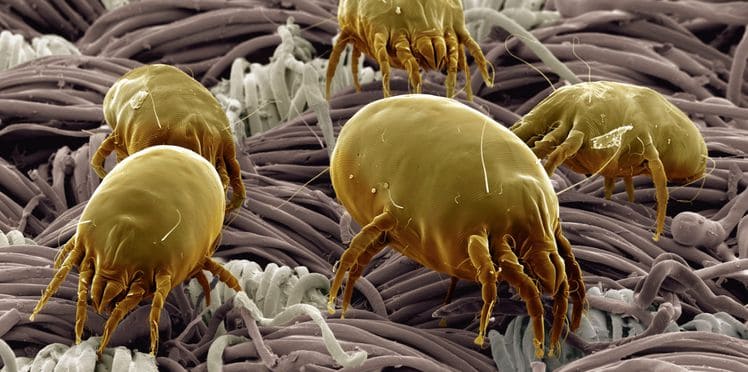
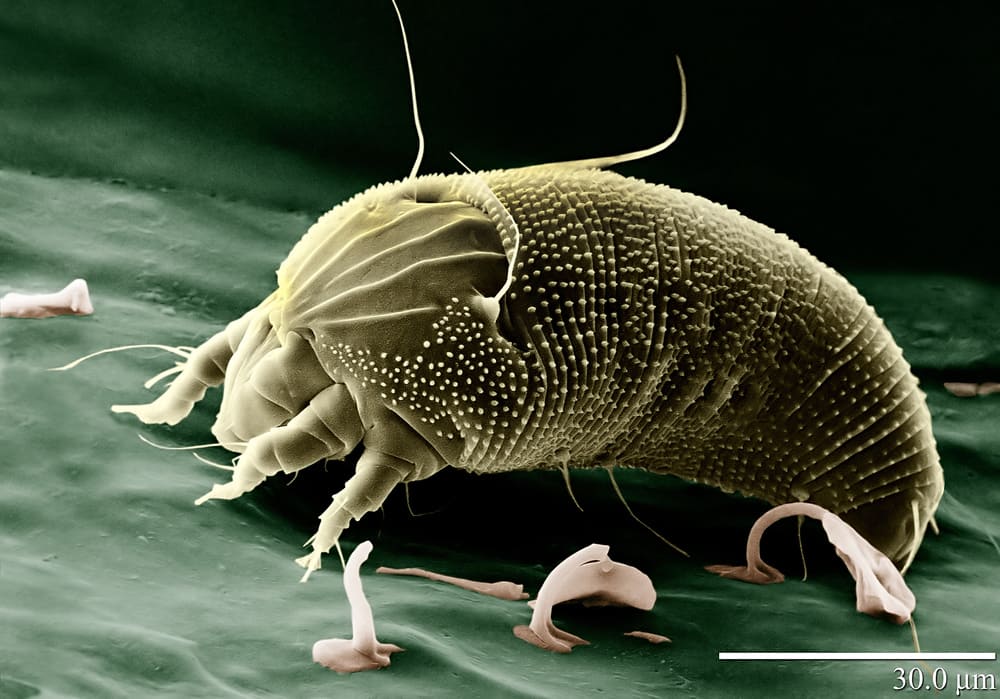
Contrary to what one might think, mites are not insects. They are organisms belonging to the class of arachnids, like spiders and ticks. There are several tens of thousands of species, with very different lifestyles.
In our homes, we mainly find house dust mites, notably Dermatophagoides pteronyssinus and Dermatophagoides farinae. They are tiny, measuring between 0.2 and 0.4 mm, and are therefore invisible to the naked eye. They feed mainly on human or animal skin flakes found in dust [2].
Good to know: House dust mites should not be confused with the sarcoptic mite, another type of mite that is a skin parasite and causes scabies.
Where do dust mites live in the home?
House dust mites favour places where they can find food, moisture and a suitable temperature.
In mattresses and bedding
The bed is the main habitat for dust mites. They are found in the mattress, pillows, duvets, sheets and sometimes in bed bases.
Why do they like our bedding so much? Quite simply because they find conditions there that are favourable to their growth: heat, moisture and skin flakes, on which they feed [3].
Key point to remember: dust mites do not stay on the surface; they can burrow deeper into fabrics. This is why simply changing your bed linen regularly is not enough.
In sofas, armchairs and textiles
Dust mites also thrive in fabric sofas and armchairs, rugs, carpets and even curtains – places where many of their allergens are found [4].
Are there dust mites in clothes ? Yes, you may have them, and we can actually carry them from one room to another on our clothes. One study in particular showed that dust mites present on a sofa could subsequently be found on the occupants’ clothes and elsewhere in the home [5]. However, there’s no need to panic and throw away your entire wardrobe – it’s not their main habitat.
To summarise, here are the types of textiles that are favourable to dust mites:
- fabric-upholstered sofas and armchairs;
- rugs and carpets, especially thick ones;
- mattresses, duvets, pillows and decorative cushions;
- soft toys;
- thick curtains.


Soft toys
Is your child allergic? Be careful with their cuddly toy! Many soft toys can harbour dust mites, especially when they’re left on the bed and aren’t washed.
To minimise allergens, wash washable soft toys regularly, following the manufacturer’s instructions. For those that cannot be washed at high temperatures, a cold wash may be an alternative.
Why do dust mites thrive in some homes?
Humidity: a key factor
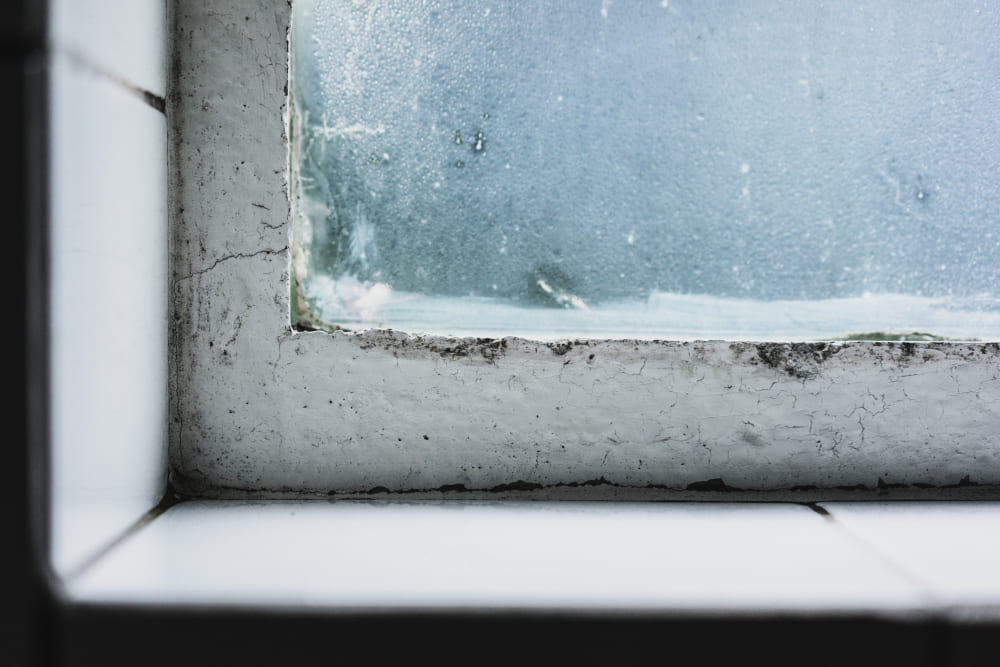
Do you live in a damp home? Dust mites are likely to thrive there! Humidity enables them to survive, as they absorb the water they need directly from the air [6].
This is why it is recommended that you keep the humidity level in your home between 40 and 50 per cent. The French National Health Insurance Service also advises a temperature of between 18 and 22 °C, depending on the room [7]. A home that is too damp or poorly ventilated can encourage their growth.
For your information, dust mites are generally less numerous at higher altitudes. A Dutch study carried out in Davos, Switzerland (1,560 m), amongst other locations, showed a significant reduction in their numbers above 1,500 metres, largely due to drier indoor air [8].

Temperature and the season
Dust mites thrive in warm conditions, but it is above all the combination of heat and humidity that provides them with ideal conditions.
Their numbers vary with the seasons. A study carried out in homes found more dust mites in summer and fewer in winter, with these numbers directly influenced by temperature and humidity [9].
But be aware, dust mites do not necessarily disappear in winter. They can, for example, survive in your mattress, where humidity rises whilst you sleep. Researchers have shown that just a few hours of high humidity per day can be enough to improve their survival, or even enable them to reproduce [3].
Textiles and dust
The more textiles you have in a room, the more places dust mites have to settle. Mattresses, rugs, carpets, sofas and upholstered armchairs trap dust and tiny flakes of skin, which the mites feed on.
Beware of common misconceptions: having dust mites doesn’t mean your home is dirty! Even a home that is cleaned regularly can harbour them.
How can you tell if there are dust mites in a mattress?
Dust mites are invisible to the naked eye. Unlike bed bugs, there’s no point looking for tiny creatures crawling around on your bed!
However, certain symptoms may point to a dust mite allergy:
- repeated sneezing,
- a blocked or runny nose,
- itching of the nose, eyes or skin (eczema),
- red or watery eyes,
- breathing difficulties in some people.
These symptoms are generally more severe upon waking or in the bedroom.
If symptoms persist, speak to your doctor. An allergist can confirm a dust mite allergy using skin prick tests. A blood test may also be prescribed if necessaryaire.
Do dust mites bite?
No. Dust mites do not bite or sting: they feed on skin flakes, not blood. The spots often attributed to them are usually an allergic reaction (eczema, hives) or bites from another pest.
If you wake up with spots lined up in a row or clustered in groups of three or four on your arms, neck or legs, these may be bed bug bites or flea bites.
How can you get rid of dust mites?
Let’s be clear: it’s impossible to eliminate 100 per cent of dust mites from a home. However, you can significantly reduce their numbers and the allergens they produce. Here’s what you need to do.
Step 1: Wash your bedding at 60 °C
Start with the sheets and pillowcases: ideally, wash them once a week at 60 °C. This is the temperature recommended by the French National Health Insurance to combat dust mites [7].
Also remember to wash duvet covers, pillows, duvets and blankets regularly, following the temperature and frequency specified by the manufacturer.
Step 2: Vacuum the mattress and textiles
While you’re washing the sheets, vacuum your mattress thoroughly. Pay particular attention to the seams, the sides and hard-to-reach areas.
Don’t stop at the bed! Also vacuum upholstered sofas, armchairs, rugs and carpets. A vacuum cleaner fitted with a HEPA filter may be useful for trapping the finest particles and allergens [7].
Step 3: reduce humidity in the bedroom
This is one of the most important steps. You can air the room for at least 10 minutes a day, even in winter. If your bedroom is still too damp, you can use a dehumidifier. A model fitted with a hygrometer allows you to monitor the humidity level and makes it easier to keep the room within the recommended range of 40 to 60 per cent [7].
Step 4: treat textiles that are difficult to wash
Soft toys, cushions and certain textiles cannot always be washed at 60 °C. In such cases, they should be treated with cold by placing them, for example, in the freezer. A study carried out on soft toys found an average reduction of 95.1 per cent in live dust mites after one night in the freezer [10].
Please note: eggs are more resistant to the cold, and freezing a textile does not remove allergens that are already present.
After freezing, you should therefore wash the textile to remove dead dust mites, their faeces and some of the allergens.
Step 5: protect your mattress with an anti-dust mite cover
If you are allergic to dust mites, the National Health Service recommends using a completely airtight anti-dust mite cover. It must cover all six sides of the mattress and be fastened with a zip [7]. You can also protect pillows and duvets with suitable covers.
Step 6: minimise dust mite breeding grounds
There’s no need to turn your bedroom into a hospital ward! But if you have an allergy, avoid accumulating textiles that are difficult to look after. Where possible, opt for surfaces that are easy to vacuum or wash, such as laminate flooring.
Step 7: repeat these steps regularly
A one-off deep clean won’t be enough. Dust mites can return as soon as conditions become favourable again.
The best strategy is to regularly combine washing your bedding, vacuuming, airing out the room and controlling humidity.
Are anti-dust mite products effective?
Sprays, fabric treatments, covers, etc. – there are many anti-dust mite products available. However, their effectiveness varies depending on the product and how it is used.
| Product | Degree of effectiveness | Key takeaways |
| Acaricide sprays | 🟠 Moderate | Some acaricides can kill some of the mites, but their effect is often temporary. They are not sufficient to control allergens in the long term. |
| Anti-mite products for textiles | 🟠 Variable | Their effectiveness depends on the substance used, the concentration and the surface being treated. Not all products marketed as ‘anti-mite’ are therefore equally effective. |
| Anti-mite covers | 🟢 Worth reading as a supplement | Airtight covers help to reduce exposure to allergens present in the mattress. However, when used on their own, their effectiveness in alleviating allergic symptoms remains limited. |
Key point: the ideal treatment is to combine products with the right daily habits.
Are natural remedies for dust mites effective?
Bicarbonate of soda, steam, sunlight, essential oils – there are plenty of ‘old wives’ tales’ doing the rounds on the internet, but the effectiveness of these natural remedies varies.
| Remedy | Effectiveness | Key takeaways |
| Bicarbonate of soda | ❌Unproven | There is no solid evidence to suggest that bicarbonate of soda is an effective treatment against dust mites. |
| Steam cleaning | ✅ Interesting | The heat from the steam can kill dust mites and reduce certain allergens on suitable surfaces [11]. |
| Sun exposure | ⚠️ Limited | Drying helps to reduce damp, but simply exposing a mattress to the sun is not enough to eliminate dust mites and their allergens. |
| Essential oils | ⚠️ Limited | Some have shown acaricidal activity in laboratory tests, but their effectiveness under real-world conditions in the home has not yet been sufficiently demonstrated. |
Is there a smell that repels dust mites?
There is no miracle smell capable of repelling dust mites from your bedroom. However, some essential oils have shown promising results in laboratory tests.
This is particularly true of mint. A study published in 2025 observed that several mint essential oils had both a repellent and acaricidal effect on Dermatophagoides pteronyssinus [12]. Other studies have shown similar results with clove, rosemary and eucalyptus.
These experiments are, however, carried out under controlled conditions and at precise concentrations. They do not prove that diffusing a few drops of essential oil in a bedroom is effective at repelling dust mites.
See also: Essential oils for bed bugs

Should you call in a professional to tackle dust mites?
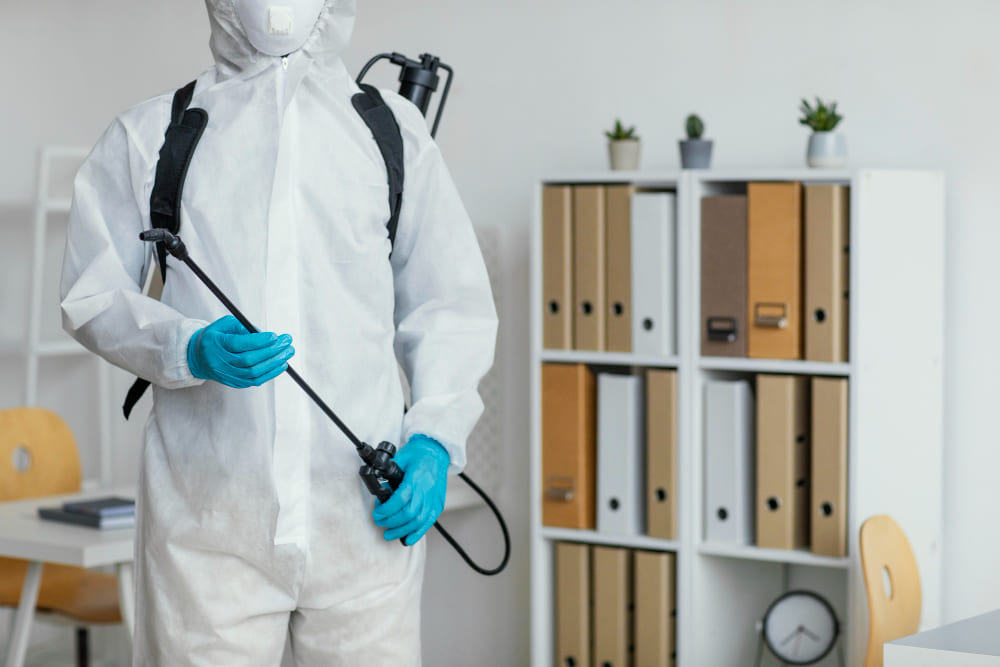
In most cases, no: the steps described above are sufficient.
It is worth seeking professional help in three situations:
- Heavily soiled fabric furniture that you are unable to clean yourself: some cleaning companies offer high-temperature dry-steam treatment and industrial vacuuming.
- Poorly controlled asthma or allergies: speak to your doctor. In France, they can refer you to an indoor environmental health adviser (CMEI), who will visit your home to identify sources of allergens and damp.
- Persistent damp (mould, condensation): this is the underlying cause that needs to be addressed. An assessment of your ventilation or insulation will be more helpful than a treatment for dust mites.
FAQ
At what temperature do dust mites die?
Can you see dust mites with the naked eye?
Do dust mites only live in beds?
Do dust mites disappear in winter?
Is it possible to have a home that is completely free of dust mites?
References
[1] Inserm – Rhinite allergique Vers une amélioration des traitements. 2016
[3] de Boer R, Kuller K. Mattresses as a winter refuge for house-dust mite populations. Allergy, 1997.
[6] Arlian LG. Water balance and humidity requirements of house dust mites. Experimental & Applied Acarology, 1992.
[7] Assurance Maladie. Vivre au quotidien avec une allergie – En cas d’allergie respiratoire..
[8] Spieksma FT, Zuidema P, Leupen MJ. High altitude and house-dust mites. British Medical Journal, 1971.
